• Fri frakt över 249 kr
  • •
  • Snabba leveranser
  • •
  • Billiga böcker
Kundservice

Du är på sajten för privatpersoner.

Företag, bibliotek eller offentlig verksamhet?

Du handlar på classic.bokus.com, där alla dina funktioner finns intakta.
Till classic.bokus.com
Bokus logotyp. Gå till startsidan.
  • Erbjudanden
  • Nyheter
  • Student
  • Topplistor
  • Barn & ungdom
  • Bokus Play
  • E-böcker
  • Pocketböcker
  • Spel & pussel

10% rabatt på allt med kod: NYSTART10 →

Sidfot

Mina sidor

    Hjälp

    • Kundservice
    • Vanliga frågor och svar
    • Frakt och leverans
    • Retur vid ångerrätt
    • Reklamera vara
    • Betalning
    • Köpvillkor
    • Allmänna villkor
    • Information om webbplatsens tillgänglighet

    Om Bokus

    • Om oss
    • Pressrum
    • För studenter
    • För företag
    • För bibliotek och offentlig verksamhet
    • För leverantörer
    • Hållbarhet

    Populärt

    • Aktuella erbjudanden
    • Presentkort
    • Studentlitteratur
    • Nya böcker
    • Topplistor
    • Signerade böcker
    • Engelska böcker

    Inspiration

    • Boktips
    • BookTok
    • Populära bokserier
    • Barnbokskaraktärer
    • Populära författare
    Logotyp för Bokus
    Följ oss på Facebook (extern länk)Följ oss på Instagram (extern länk)Följ oss på YouTube (extern länk)Följ oss på TikTok (extern länk)
    bokus @ CookiesAnpassa cookiesIntegritetspolicyKöpvillkor
    Till Citymail hemsida (extern länk)Till Budbee hemsida (extern länk)Till Postnord hemsida (extern länk)Till Schenker hemsida (extern länk)Till Early Bird hemsida (extern länk)Till Walleys hemsida (extern länk)
    1. Djur och Natur
    2. Djurböcker
    3. Vilda djur
    4. Fjärilar, insekter, spindlar

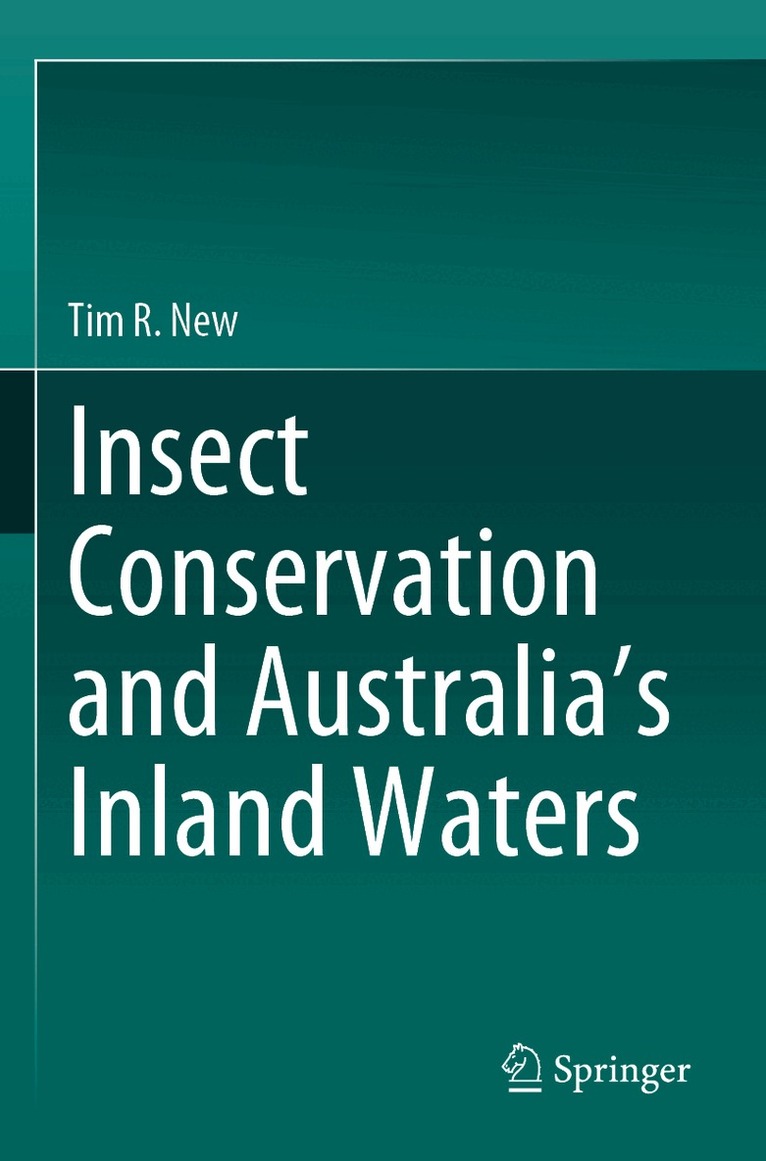
    Insect conservation and Australia’s Inland Waters

    AvTim R. New

    Häftad, Engelska, 2021

    1 086 kr

    Beställningsvara. Skickas inom 10-15 vardagar. Fri frakt över 249 kr.

    Fler format och utgåvor

    Inbunden

    1 086 kr

    E-bok

    1 413 kr

    Beskrivning

    The first broad overview of conservation needs of Australia’s largely endemic freshwater insects, drawing on examples and information from many parts of the world to illustrate and develop needs and practical prospects for conservation in inland water environments. The wide variety of those environments in Australia and their diverse insect inhabitants – many of them highly localised and ecologically specialised and vulnerable - and threats to them is illustrated.  Case histories demonstrate the different aspects of practical conservation management that may be possible in different contexts, and numerous references facilitate understanding by non-specialist readers and non-entomologist conservation managers and practitioners.

    Produktinformation

    • Utgivningsdatum:2021-11-30
    • Mått:155 x 235 x 17 mm
    • Vikt:546 g
    • Format:Häftad
    • Språk:Engelska
    • Antal sidor:303
    • Förlag:Springer Nature Switzerland AG
    • ISBN:9783030570101

    Utforska kategorier

    • Fjärilar, insekter, spindlar inom Djur och Natur
    • Miljövetenskap och miljöpolitik inom Naturvetenskap och teknik
    • Insekter inom Naturvetenskap och teknik

    Mer om författaren

    Emeritus Professor Tim New is an entomologist with broad interests in insect systematics, ecology and conservation. For long based at LaTrobe University, Melbourne, he has traveled widely to collect and study insects in many parts of the world, and his extensive publications on these topics include about 45 books. He is recognized globally as one of the leading advocates for insect conservation.

    Innehållsförteckning

    • 1. Introduction: aquatic insects in Australia’s environments.- 1.1. The background to concern.- References.- 2. Major habitats.- 2.1. Introduction.- 2.2. Ponds and lakes.- 2.3. Streams and rivers.- References.- 3. Australian inland waters.- 3.1. Introduction.- 3.2. Waterfalls.- 3.3. Subterranean aquifers.- 3.4. Rock pools.- 3.5. Mound springs.- 3.6. Lakes.- 3.7. Billabongs.- 3.8. Streams and rivers.- 3.9. Exposed riverine sediments.- References.- 4. Monitoring freshwater macroinvertebrates.- 4.1. Scope and needs for assessments.- References.- 5. Threats: the background variations in condition.- 5.1. Introduction.- 5.2. Drought.- 5.3. Flood.- References.- 6. Major imposed threats.- 6.1. Introduction.- 6.2. Water temperature.- 6.3. Sedimentation.- 6.3.1. Mining.- 6.4. Pollution.- 6.5. Salinisation.- 6.6. Exploitation.- 6.7. Electrofishing.- 6.8. Changes to riparian vegetation.- 6.8.1. Emergent vegetation.- 6.9. Alien species.- 6.9.1. Plants.- 6.9.2. Fish.- 6.9.3. Mammals.- 6.10. River regulation.- 6.11. Fire.- 6.12. Urbanisation.- 6.13. Recreation.- 6.14. Ecological traps.- 6.15. Climate change.- References.- 7. Macroinvertebrates of inland waters.- 7.1. Introduction.- 7.2. The variety of aquatic insects.- 7.3. Other macroinvertebrates.- 7.3.1. Crustaceans.- 7.3.2. Molluscs.- References.- 8. Insects of Australia’s inland waters.- 8.1. Introduction.- 8.2. Ephemeroptera.- 8.3. Odonata.- 8.4. Plecoptera.- 8.5. Hemiptera.- 8.6. Coleoptera.- 8.7. Mecoptera.- 8.8. Megaloptera.- 8.9. Neuroptera.- 8.10. Lepidoptera.- 8.11. Trichoptera.- 8.12. Diptera.- 8.12.1. Control of aquatic pest flies.- References.- 9. Australia’s flagship freshwater insects.- 9.1. Introduction.- 9.2. Selected flagship taxa.- References.- 10. Ecology and management.- 10.1. Introduction.- 10.2. Dispersal.- 10.2.1. Impacts of urban lighting.- 10.2.2. Pond colonization.- References.- 11. Conservation.- 11.1. Introduction.- 11.2. Protected areas.-    11.3. Management and restoration.- 11.4. Fish conservation.- 11.5. Education and involvement.- 11.6. Artificial water bodies.- 11.7. Temporary ponds.- 11.8. Intermittent streams.- 11.9. Stormwater retention ponds.- 11.10. Refuges.- 11.11. Woody debris.- 11.12. Riparian zones.- 11.13. Perspective and prospects.- References.- Appendix 1.- Index.