Inbunden, Engelska, 2021
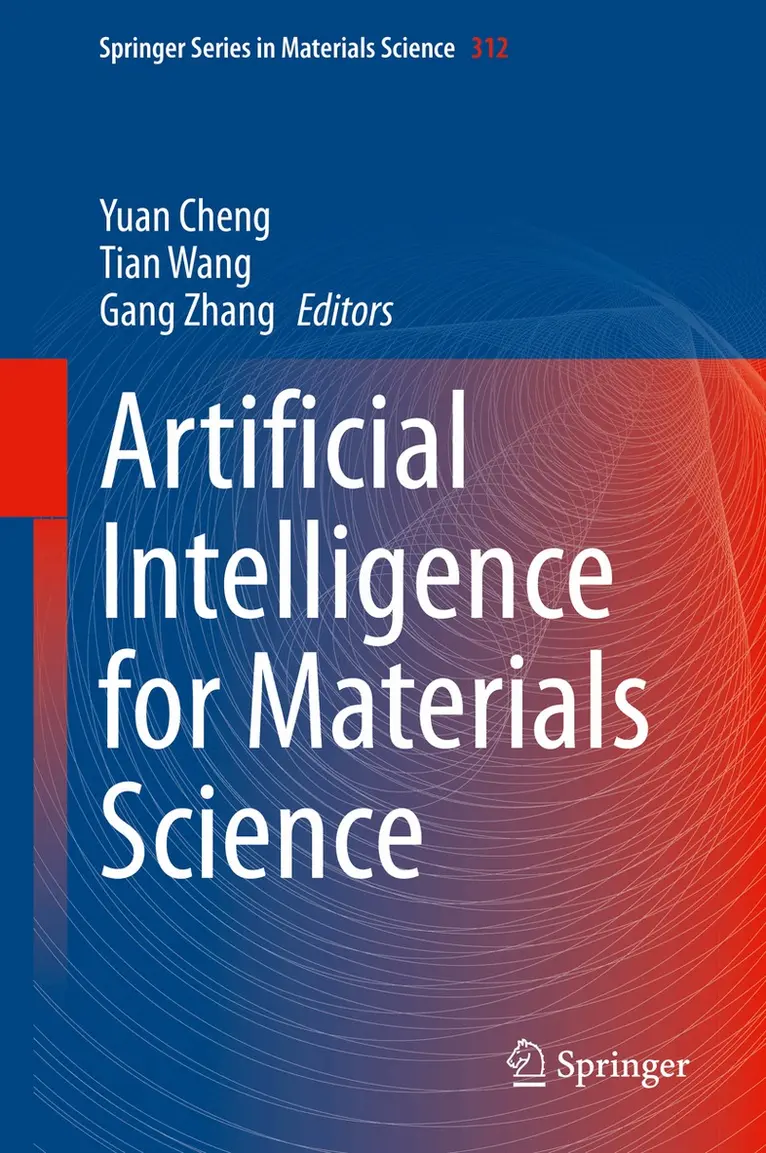
Artificial Intelligence for Materials Science
Av Yuan Cheng, Tian Wang, Gang Zhang
1967 kr
Beställningsvara. Skickas inom 10-15 vardagar. Fri frakt över 249 kr.
Beskrivning
Machine learning methods have lowered the cost of exploring new structures of unknown compounds, and can be used to predict reasonable expectations and subsequently validated by experimental results. As new insights and several elaborative tools have been developed for materials science and engineering in recent years, it is an appropriate time to present a book covering recent progress in this field.Searchable and interactive databases can promote research on emerging materials. Recently, databases containing a large number of high-quality materials properties for new advanced materials discovery have been developed. These approaches are set to make a significant impact on human life and, with numerous commercial developments emerging, will become a major academic topic in the coming years. This authoritative and comprehensive book will be of interest to both existing researchers in this field as well as others in the materials science community who wish to take advantage of these powerful techniques. The book offers a global spread of authors, from USA, Canada, UK, Japan, France, Russia, China and Singapore, who are all world recognized experts in their separate areas. With content relevant to both academic and commercial points of view, and offering an accessible overview of recent progress and potential future directions, the book will interest graduate students, postgraduate researchers, and consultants and industrial engineers.
Produktinformation
- Utgivningsdatum: 2021-03-27
- Mått: 155 x 235 x 19 mm
- Vikt: 472 g
- Format: Inbunden
- Språk: Engelska
- Serie: Springer Series in Materials Science
- Antal sidor: 228
- Upplaga: 21001
- Förlag: Springer Nature Switzerland AG
- ISBN: 9783030683092
Utforska kategorier
Betyg & recensioner
0 recensioner
Inga recensioner tillgängliga.