• Fri frakt över 249 kr
  • •
  • Snabba leveranser
  • •
  • Billiga böcker
Kundservice

Du är på sajten för privatpersoner.

Företag, bibliotek eller offentlig verksamhet?

Du handlar på classic.bokus.com, där alla dina funktioner finns intakta.
Till classic.bokus.com
Bokus logotyp. Gå till startsidan.
  • Erbjudanden
  • Nyheter
  • Student
  • Topplistor
  • Barn & ungdom
  • Bokus Play
  • E-böcker
  • Pocketböcker
  • Spel & pussel

10% studentrabatt med kod TERM26

Sidfot

Mina sidor

    Hjälp

    • Kundservice
    • Vanliga frågor och svar
    • Frakt och leverans
    • Retur vid ångerrätt
    • Reklamera vara
    • Betalning
    • Köpvillkor
    • Allmänna villkor
    • Information om webbplatsens tillgänglighet

    Om Bokus

    • Om oss
    • Pressrum
    • För studenter
    • För företag
    • För bibliotek och offentlig verksamhet
    • För leverantörer
    • Hållbarhet

    Populärt

    • Aktuella erbjudanden
    • Presentkort
    • Studentlitteratur
    • Nya böcker
    • Topplistor
    • Signerade böcker
    • Engelska böcker

    Inspiration

    • Boktips
    • BookTok
    • Populära bokserier
    • Barnbokskaraktärer
    • Populära författare
    Logotyp för Bokus
    Följ oss på Facebook (extern länk)Följ oss på Instagram (extern länk)Följ oss på YouTube (extern länk)Följ oss på TikTok (extern länk)
    bokus @ CookiesAnpassa cookiesIntegritetspolicyKöpvillkor
    Till Citymail hemsida (extern länk)Till Budbee hemsida (extern länk)Till Postnord hemsida (extern länk)Till Schenker hemsida (extern länk)Till Early Bird hemsida (extern länk)Till Walleys hemsida (extern länk)
    1. Djur och Natur
    2. Naturböcker
    3. Växtböcker

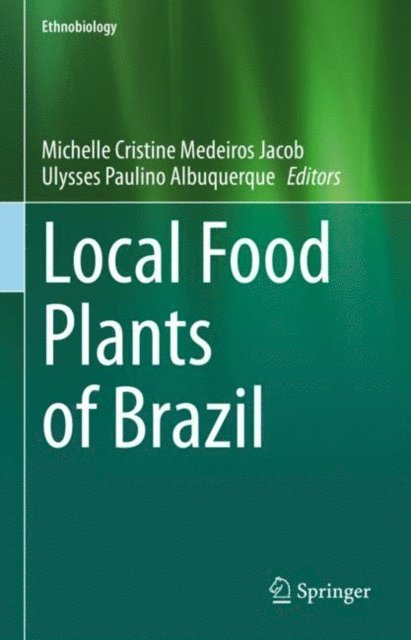
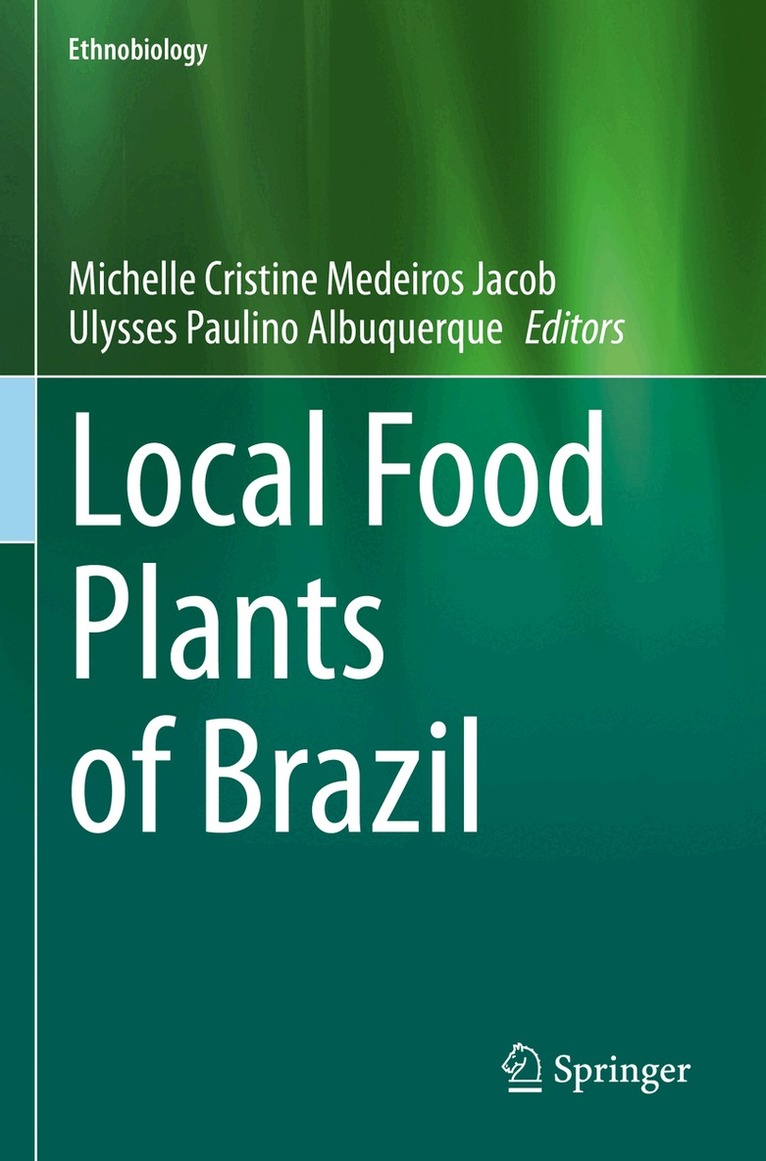
    Local Food Plants of Brazil

    AvMichelle Cristine Medeiros Jacob,Ulysses Paulino Albuquerque

    Inbunden, Engelska, 2021

    Del i serien Ethnobiology

    1 851 kr

    Beställningsvara. Skickas inom 10-15 vardagar. Fri frakt över 249 kr.

    Beskrivning

    There has been growing academic interest in local food plants. This is a subject that lies at the frontiers of knowledge of various areas, such as environmental sciences, nutrition, public health, and humanities. To date, however, we do not have a book bringing these multi-disciplinary perspectives to bear on this complex field. This book presents the current state of knowledge on local Brazilian food plants through a multidisciplinary approach, including an overview of food plants in Brazil, as well as comprehensive nutritional data. It compiles basic theories on the interrelationship between biodiversity and food and nutrition security, as well as ethnobotanical knowledge of local Brazilian food plants. Additionally, this title provides various methods of learning and teaching the subject, including through social media, artificial intelligence, and through workshops, among others.

    Produktinformation

    • Utgivningsdatum:2021-06-04
    • Mått:155 x 235 x 33 mm
    • Vikt:792 g
    • Format:Inbunden
    • Språk:Engelska
    • Serie:Ethnobiology
    • Antal sidor:417
    • Förlag:Springer Nature Switzerland AG
    • ISBN:9783030691387

    Utforska kategorier

    • Växtböcker inom Djur och Natur
    • Botanik inom Naturvetenskap och teknik
    • Miljövetenskap och miljöpolitik inom Naturvetenskap och teknik

    Mer om författaren

    Prof. Ulysses Paulino Albuquerque received his Ph.D. in biology in 2001 from the Universidade Federal de Pernambuco, Brazil. He is Full Professor of the Department of Botany at Universidade Federal de Pernambuco, Pernambuco, Brazil. In 2011, he led the founding of new Ph.D. program in Ethnobiology and Nature Conservation. Albuquerque has published around 316 journal articles, 200 chapter’s book and edited or authored 50 books (including new editions and translations).  Albuquerque has served as editor of various peer-reviewed journals, and in 2011 co-founded the journal Ethnobiology and Conservation as Co-Editor-in-Chief.Prof. Michelle Jacob is a professor in the Nutrition Department and the postgraduate program of Social Sciences at the Federal University of Rio Grande do Norte. She is the founder of LabNutrir (www.nutrir.com.vc), a community garden laboratory in an undergraduate nutrition program that brings together local plants and people. The United Nations in 2018 recognized the LabNutrir as a reference in the application of the Right to Food Guidelines, especially guideline 11, i.e., education and awareness-raising. Dr. Jacob's research interests relate to food and nutrition security, sustainable diets, ethnonutrition, and food systems.

    Innehållsförteckning

    • Preface.- Part 1. Basics on Food Plants and Biodiversity in a Multidisciplinary Approach.- Food Biodiversity Key Concepts.- Food Systems towards Food and Nutrition Security: The Food Biodiversity Role.- Biodiversity, Cultural Diversity and Food Cultures.- Unconventional Food Plants: Food or Medicine?.- The Potential of Unconventional Food Plants for Improving Diets and Nutrition.- Part 2. Brazilian Food Plants: An Overview.- Brazilian Unconventional Food Plants and National Policies to Strengthen Food and Nutrition Security through Biodiversity.- Food Plants from Brazilian Biodiversity as a Source of Bioactive Compounds.- Natural Toxins in Brazilian Unconventional Food Plants: A Review.- Part 3. Ethnobotanical Knowledge of Brazilian Food Plants.- Brazilian Food Plants Reported by Scientific Travelers and Naturalists: Key Plants from the Past to the Future.- Brazilian Food Plants and Indigenous People: Trends in Archaeobotany.- Famine Foods: Thoughts from a Caatinga Research Experience.- Part 4. Nutritional Composition Data on Brazilian Food Plants by Biome.- Food Plants in Cerrado.- Food Plants in Caatinga.- Food Plants in Pampas.- Food Plants in Amazonia.- Food Plants in Pantanal.- Food Plants in Atlantic Rainforest.- Part 5. Consumption of Brazilian Food Plants.- Challenges to Assess Sustainable Diets in Nutritional Science: A Case Study in Caatinga Biome.- Potential for Popularization of Unconventional Food Plants Based on Local Perception.- Potential of Unconventional Food Plants Value Chains.- Food Plants of Brazilian's Sociobiodiversity in the National School Feeding Program.- Part 6. Learning and Teaching Brazilian Food Plants.- E-Learning through Social Networking Sites: A Case Study from Facebook.- Plant Identification Using Artificial Intelligence: Innovative Strategies for Teaching Food Biodiversity.- A Garden Laboratory: Food Biodiversity Research Skills for Nutrition Students.- The "PANC na City" and "Horta City Lapa" Experiences: Learning and Teachingon Unconventional Food Plants in the Brazilian Urban Context.- Food Sovereignty for Lunch: Workshops in an Unconventional Farm.- Index.