• Fri frakt över 249 kr
  • •
  • Snabba leveranser
  • •
  • Billiga böcker
Kundservice

Du är på sajten för privatpersoner.

Företag, bibliotek eller offentlig verksamhet?

Du handlar på classic.bokus.com, där alla dina funktioner finns intakta.
Till classic.bokus.com
Bokus logotyp. Gå till startsidan.
  • Erbjudanden
  • Nyheter
  • Student
  • Topplistor
  • Barn & ungdom
  • Bokus Play
  • E-böcker
  • Pocketböcker
  • Spel & pussel

10% rabatt på allt med kod NYSTART10 →

Sidfot

Mina sidor

    Hjälp

    • Kundservice
    • Vanliga frågor och svar
    • Frakt och leverans
    • Retur vid ångerrätt
    • Reklamera vara
    • Betalning
    • Köpvillkor
    • Allmänna villkor
    • Information om webbplatsens tillgänglighet

    Om Bokus

    • Om oss
    • Pressrum
    • För studenter
    • För företag
    • För bibliotek och offentlig verksamhet
    • För leverantörer
    • Hållbarhet

    Populärt

    • Aktuella erbjudanden
    • Presentkort
    • Studentlitteratur
    • Nya böcker
    • Topplistor
    • Signerade böcker
    • Engelska böcker

    Inspiration

    • Boktips
    • BookTok
    • Populära bokserier
    • Barnbokskaraktärer
    • Populära författare
    Logotyp för Bokus
    Följ oss på Facebook (extern länk)Följ oss på Instagram (extern länk)Följ oss på YouTube (extern länk)Följ oss på TikTok (extern länk)
    bokus @ CookiesAnpassa cookiesIntegritetspolicyKöpvillkor
    Till Citymail hemsida (extern länk)Till Budbee hemsida (extern länk)Till Postnord hemsida (extern länk)Till Schenker hemsida (extern länk)Till Early Bird hemsida (extern länk)Till Walleys hemsida (extern länk)
    1. Språk och ordböcker
    2. Språkvetenskap och lingvistik

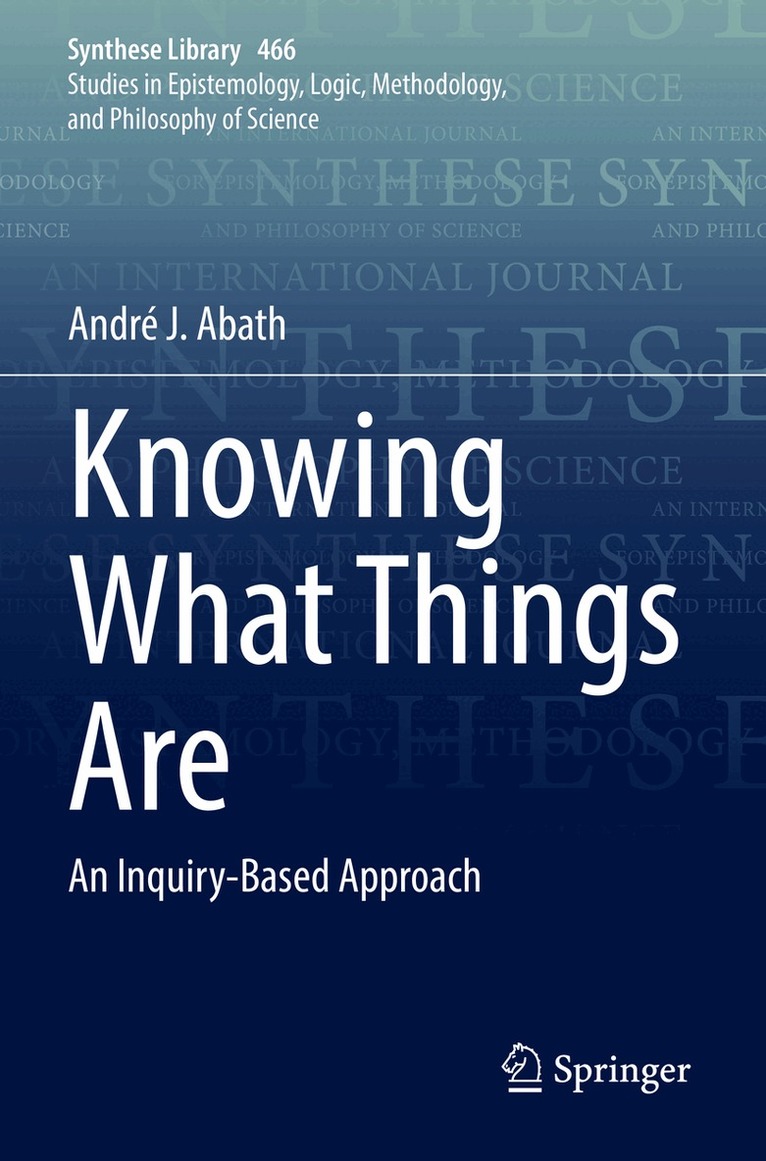
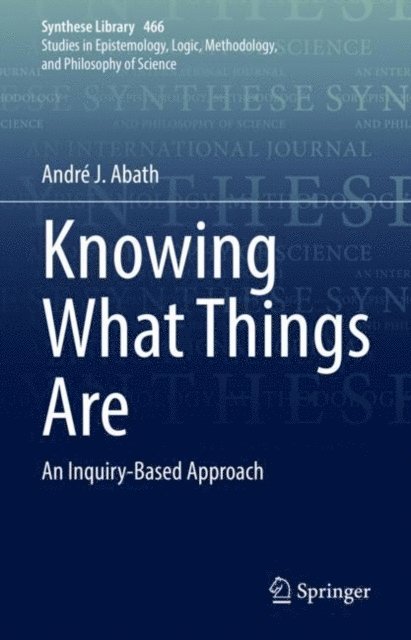
    Knowing What Things Are

    An Inquiry-Based Approach

    AvAndré J. Abath

    Inbunden, Engelska, 2022

    Del i serien Synthese Library

    1 300 kr

    Beställningsvara. Skickas inom 10-15 vardagar. Fri frakt över 249 kr.

    Fler format och utgåvor

    E-bok

    1 728 kr

    Häftad

    1 300 kr

    Beskrivning

    ​This book provides an account of what is to know what things are, focusing on kinds, both natural (such as water) and social (such as marriage). It brings tools from an area that has received much attention in recent years, the epistemology of inquiry. The knowledge of what things are is to be understood as resulting from successful inquiries directed at questions of the form ‘What is x?’, where x stands for a given kind of thing. The book also addresses knowledge-wh in general (which includes knowledge-who and knowledge-where), as well as the phenomenon of ignorance regarding what things are and our obligations in respect to knowing what things are. It also brings to light new avenues of research for those interested in the relation between the knowledge of what things are and concept possession and amelioration.‘Knowing What Things Are’ should be of interest to researchers in Epistemology, Philosophy of Language,Metaphysics, Philosophy of Mind, Social Philosophy and Linguistics.

    Produktinformation

    • Utgivningsdatum:2022-08-09
    • Mått:155 x 235 x 14 mm
    • Vikt:395 g
    • Format:Inbunden
    • Språk:Engelska
    • Serie:Synthese Library
    • Antal sidor:138
    • Förlag:Springer International Publishing AG
    • ISBN:9783031073649

    Utforska kategorier

    • Språkvetenskap och lingvistik inom Språk och ordböcker
    • Filosofiska discipliner inom Filosofi och religion
    • Kognitiv psykologi inom Psykologi och pedagogik

    Mer om författaren

    André J. Abath (PhD Sheffield) is Professor of Philosophy at the Federal University of Minas Gerais (UFMG), in Brazil. His teaching and research engage the fields of philosophy of mind, language and epistemology.

    Innehållsförteckning

    • 1. Introduction.- Part I. Toward the Erotetic View. 2. The Knowledge of What Things Are: Possible Views.- 3. Questions and Answers: Understanding Knowledge-Wh.- 4. The Erotetic View.- Part II. Developing the Erotetic View. 5. The Gradability of the Knowledge of What Things Are.- 6. Social Kinds, the Erotetic View and Erotetic Amelioration.- 7. The Knowledge of What Things Are: Ignorance and Obligations.- Appendix A. Having Concepts and Knowing What Things Are.- Appendix B. Incomplete Understanding of Concepts and the Gradability of the Knowledge of What Things Are.- Appendix C. The Knowledge of What Particular Things Are.