

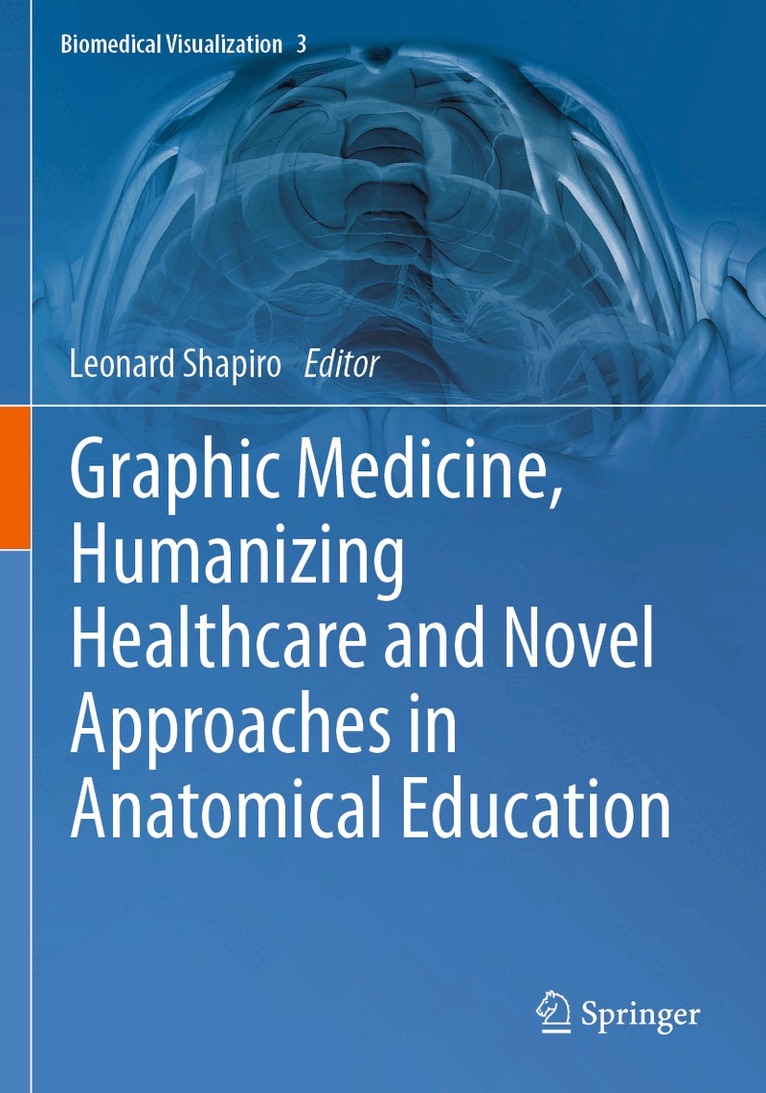
Graphic Medicine, Humanizing Healthcare and Novel Approaches in Anatomical Education
1 703 kr
Beställningsvara. Skickas inom 10-15 vardagar. Fri frakt över 249 kr.
Beskrivning
This book contains subjects by authors with a fresh, exciting and extensive focus within the medical humanities, offering the reader chapters which include the history of medical illustration, Graphic Medicine as a vehicle for the expression of humanistic dimensions of healthcare, equitable and ethical medical illustrations, as well as novel, art-based approaches in anatomical education. Authors consider the role of visual narratives in medical and scientific illustration, the unique affordances of the comics medium, the history of comics as a form of medical and scientific visualization, and the role of comics as didactic tools and as vehicles for the expression of the humanistic dimensions of healthcare. A chapter considers ethical and equitable implications in global healthcare practice, and highlights the work currently being undertaken to address inappropriate and problematic depictions of people in global health visualizations. This will inform the reader of emergingand current thinking about visual communication and the use of images in the public domain, as well as in the healthcare and education sectors. Novel approaches in anatomical education include the benefits of three-dimensional anatomy models made of felt, visual analogies as a method to enhance students’ learning of histology, the use of the hands for learning anatomy, and visualizing anatomy through art, archaeology and medicine.This book will appeal to readers who have an interest in the medical humanities, Graphic Medicine, and ethical medical and anatomical illustrations. These include academic and non-academic readers, medical students, medical educators, clinicians, health-care workers, as well as policy makers.
Produktinformation
Utforska kategorier
Mer om författaren
Innehållsförteckning
Hoppa över listan


Mer från samma författare
Del 1388
Del 1388
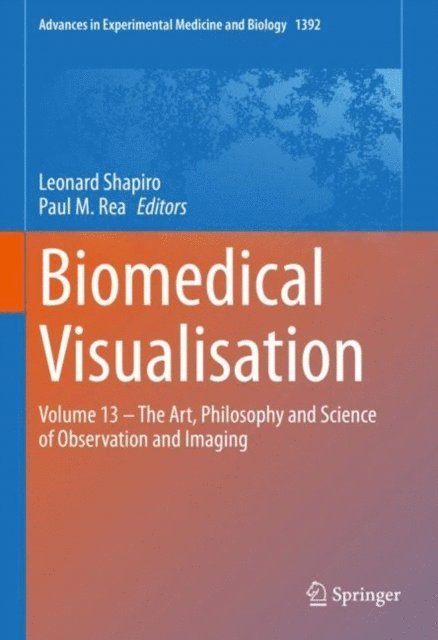
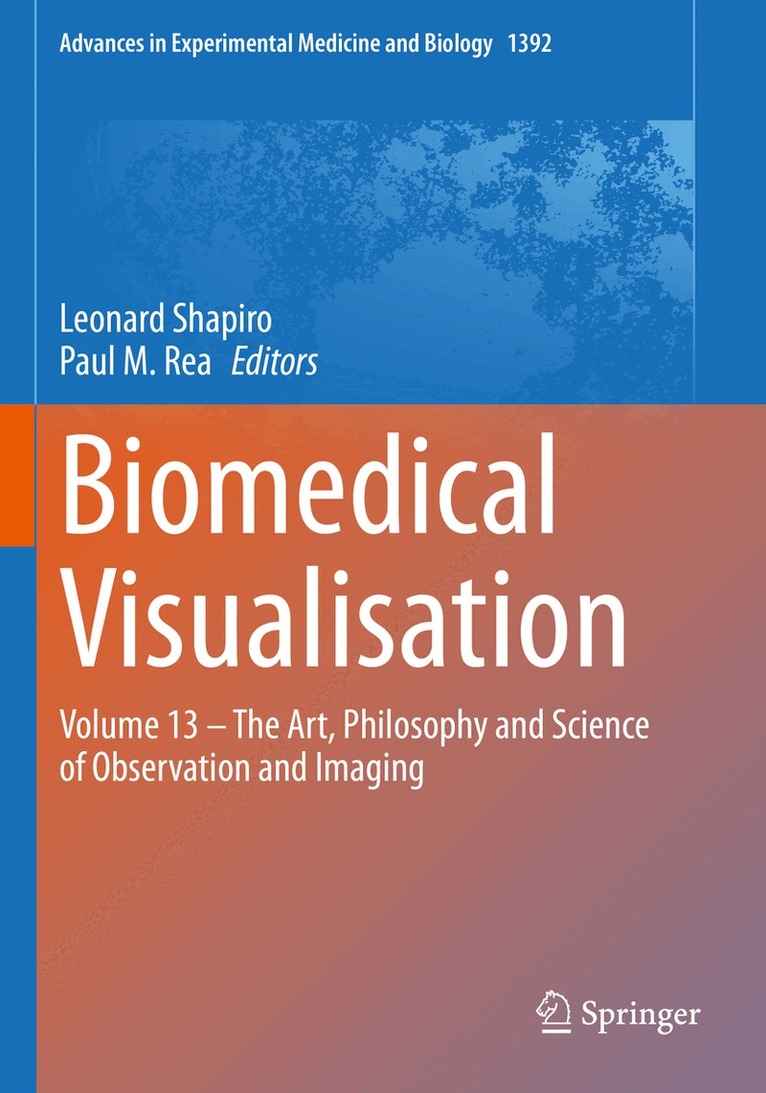
Biomedical Visualisation : Volume 13 - The Art, Philosophy and Science of Observation and Imaging
Leonard Shapiro, Paul M. Rea
665 kr
Del 1392
Microscopy Techniques for Biomedical Education and Healthcare Practice
Leonard Shapiro
Inbunden, 2023
1 698 kr
Hoppa över listan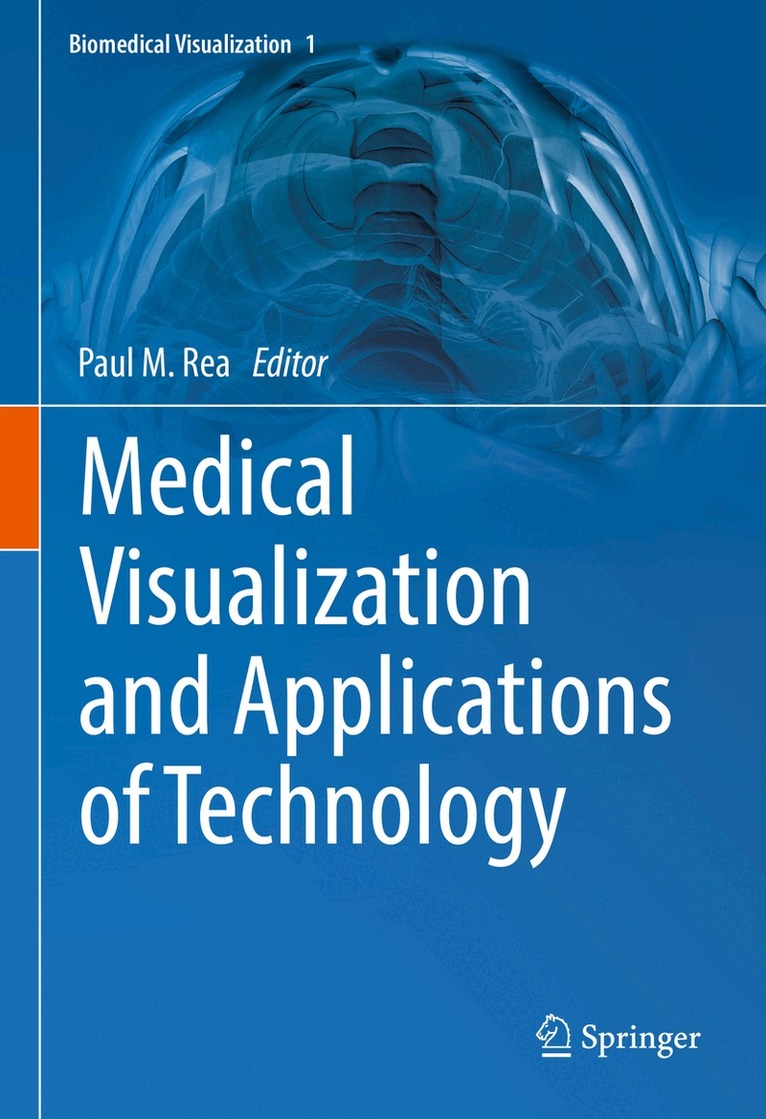


Mer från samma serie
Del 1
Del 1
Microscopy Techniques for Biomedical Education and Healthcare Practice
Leonard Shapiro
Inbunden, 2023
1 698 kr
Del 2
Microscopy Techniques for Biomedical Education and Healthcare Practice
Leonard Shapiro
Häftad, 2024
1 698 kr
Del 3
Graphic Medicine, Humanizing Healthcare and Novel Approaches in Anatomical Education
Leonard Shapiro
Häftad, 2024
1 703 kr
Del 4
Del 4
Del 5
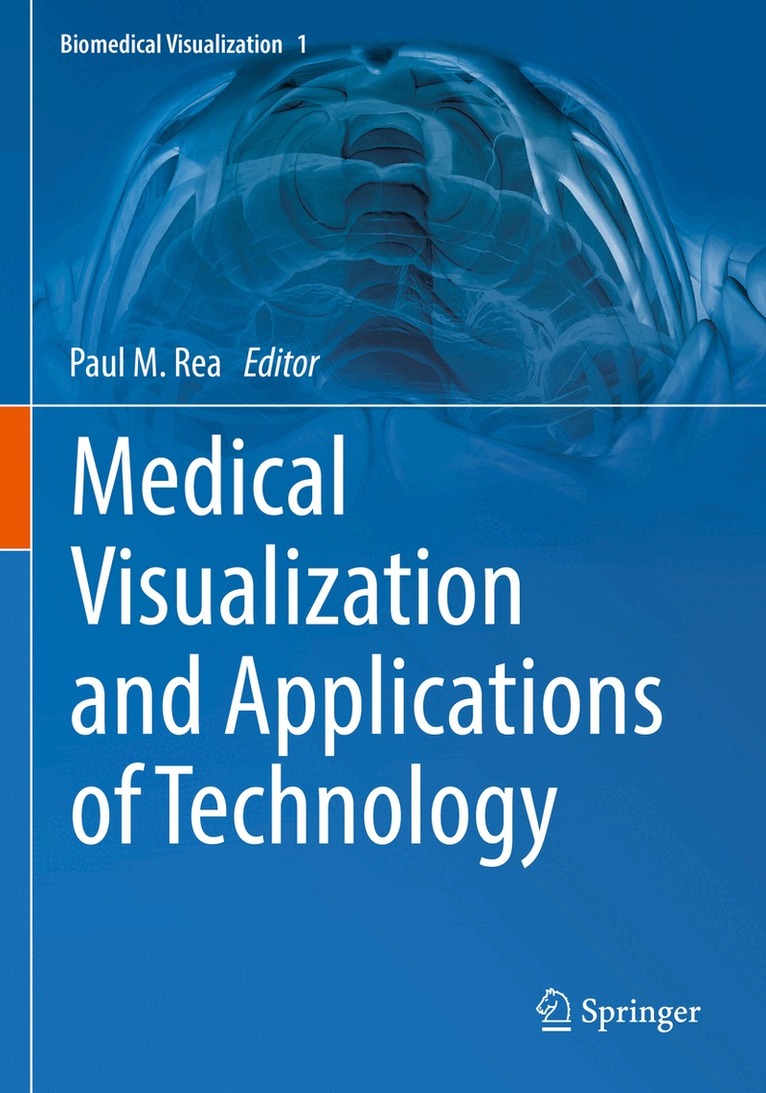
Medical Visualization and Applications of Technology ‒ Volume 2
Jenny Clancy, Matthieu Poyade
Inbunden, 2024
1 698 kr
Del 5
Medical Visualization and Applications of Technology ‒ Volume 2
Jenny Clancy, Matthieu Poyade
Häftad, 2025
2 037 kr
Del 6
How to use 3D Printing Innovations and Digital Storage to Democratize Anatomy Education
Leonard Shapiro
Inbunden, 2024
1 698 kr
Hoppa över listan


Du kanske också är intresserad av

Del 6
How to use 3D Printing Innovations and Digital Storage to Democratize Anatomy Education
Leonard Shapiro
Häftad, 2025
1 698 kr
Del 3
Graphic Medicine, Humanizing Healthcare and Novel Approaches in Anatomical Education
Leonard Shapiro
Häftad, 2024
1 703 kr
Del 2
Microscopy Techniques for Biomedical Education and Healthcare Practice
Leonard Shapiro
Häftad, 2024
1 698 kr
Del 12
Decolonial Perspectives in Biomedical Sciences, Anatomical Education and Healthcare
Eiman Abdel Meguid, Leonard Shapiro
Inbunden, 2026
1 698 kr
Graphic Medicine, Humanizing Healthcare and Novel Approaches in Anatomical Education
Leonard Shapiro
E-bok
20232 135 kr
Del 1388
Del 1388