• Fri frakt över 249 kr
  • •
  • Snabba leveranser
  • •
  • Billiga böcker
Kundservice

Du är på sajten för privatpersoner.

Företag, bibliotek eller offentlig verksamhet?

Du handlar på classic.bokus.com, där alla dina funktioner finns intakta.
Till classic.bokus.com
Bokus logotyp. Gå till startsidan.
  • Erbjudanden
  • Nyheter
  • Student
  • Topplistor
  • Barn & ungdom
  • Bokus Play
  • E-böcker
  • Pocketböcker
  • Spel & pussel

10% rabatt på allt med kod: NYSTART10 →

Sidfot

Mina sidor

    Hjälp

    • Kundservice
    • Vanliga frågor och svar
    • Frakt och leverans
    • Retur vid ångerrätt
    • Reklamera vara
    • Betalning
    • Köpvillkor
    • Allmänna villkor
    • Information om webbplatsens tillgänglighet

    Om Bokus

    • Om oss
    • Pressrum
    • För studenter
    • För företag
    • För bibliotek och offentlig verksamhet
    • För leverantörer
    • Hållbarhet

    Populärt

    • Aktuella erbjudanden
    • Presentkort
    • Studentlitteratur
    • Nya böcker
    • Topplistor
    • Signerade böcker
    • Engelska böcker

    Inspiration

    • Boktips
    • BookTok
    • Populära bokserier
    • Barnbokskaraktärer
    • Populära författare
    Logotyp för Bokus
    Följ oss på Facebook (extern länk)Följ oss på Instagram (extern länk)Följ oss på YouTube (extern länk)Följ oss på TikTok (extern länk)
    bokus @ CookiesAnpassa cookiesIntegritetspolicyKöpvillkor
    Till Citymail hemsida (extern länk)Till Budbee hemsida (extern länk)Till Postnord hemsida (extern länk)Till Schenker hemsida (extern länk)Till Early Bird hemsida (extern länk)Till Walleys hemsida (extern länk)
    1. Filosofi och religion
    2. Filosofi
    3. Filosofiska discipliner

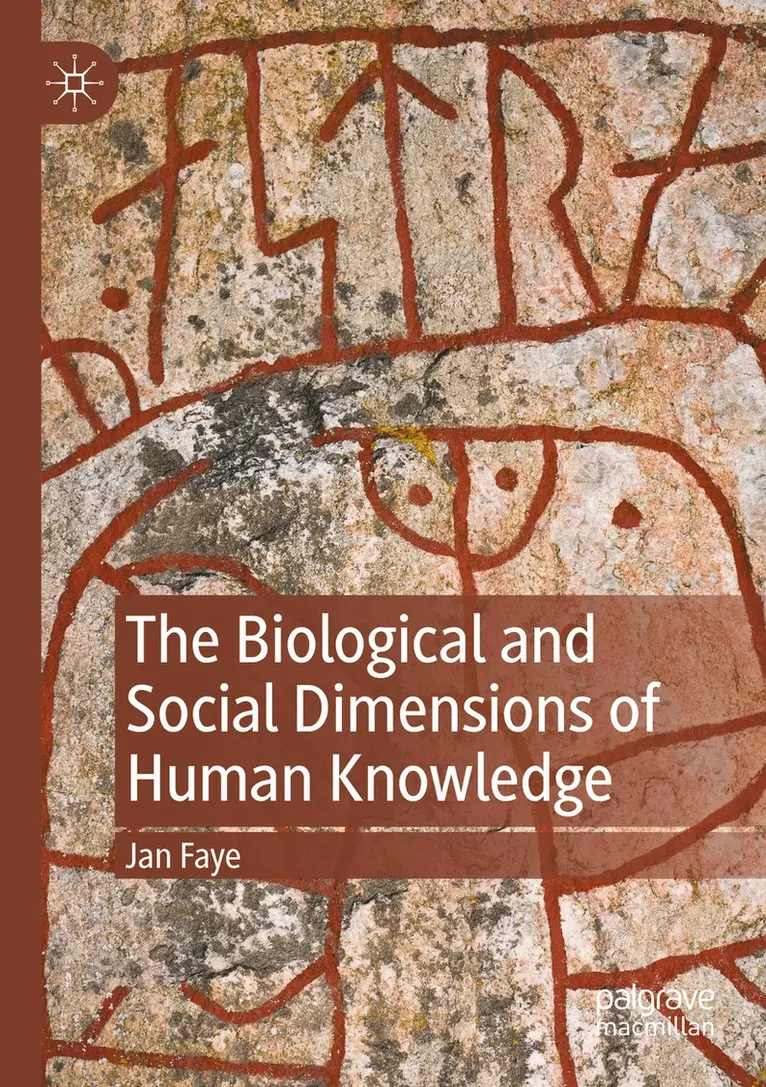
    Biological and Social Dimensions of Human Knowledge

    AvJan Faye

    Häftad, Engelska, 2024

    1 302 kr

    Beställningsvara. Skickas inom 10-15 vardagar. Fri frakt över 249 kr.

    Fler format och utgåvor

    Inbunden

    1 302 kr

    E-bok

    1 736 kr

    Beskrivning

    Traditionally, philosophers have argued that epistemology is a normative discipline and therefore occupied with an a priori analysis of the necessary and sufficient conditions that a belief must fulfill to be acceptable as knowledge. But such an approach makes sense only if human knowledge has some normative features, which conceptual analysis is able to disclose. As it turns out, philosophers have not been able to find such features unless they are very selective in their choice of examples of knowledge. Much of what we intuitively think functions as knowledge, both in human and non-human animals, does not share these normative features.The purpose of this book is to demonstrate that natural selection has adapted human sense impressions to deliver reliable information without meeting the traditional commitments for having knowledge. In connection with memory, sensory and bodily information provides an animal with experiential knowledge. Experiential knowledge helps an animal to navigate its environment. Moreover, experiential knowledge has different functions depending on whether the deliverance of information stems from the organism’s external or internal senses.

    Produktinformation

    • Utgivningsdatum:2024-10-03
    • Mått:148 x 210 x 18 mm
    • Vikt:426 g
    • Format:Häftad
    • Språk:Engelska
    • Antal sidor:315
    • Förlag:Springer International Publishing AG
    • ISBN:9783031391392

    Utforska kategorier

    • Filosofiska discipliner inom Filosofi och religion
    • Naturvetenskapens filosofi inom Naturvetenskap och teknik

    Mer om författaren

    Jan Faye is Emeritus Professor of Philosophy in the Department of Communication at the University of Copenhagen.

    Recensioner i media

    "The nine chapters of the book take us on a journey through the different types of biological and social knowledge. … There are many things to like about this book. First and foremost … it is refreshing to read a book that tries to build a general philosophical picture including insights from epistemology, philosophy of science … . the general picture developed in this book constitutes an attractive epistemological framework for naturalistically minded philosophers." (Matteo De Benedetto, Metascience, Vol. 33 (3), 2024)

    Innehållsförteckning

    • Preface.- Chapter 1: Naturalized Epistemology.- Chapter 2: Knowledge as a Natural Phenomenon.- Chapter 3: Experiential Knowledge without Beliefs.- Chapter 4: Sensory Knowledge in Humans.- Chapter 5: Linking Experiences to the Social World.- Chapter 6: Self-awareness, Language, and Empirical Knowledge.- Chapter 7: Social Knowledge, Agreements, and Testimonies.- Chapter 8: Science and its Epistemic Limits.- Chapter 9: Theoretical Understanding in a Naturalistic Setting.- Conclusion.