Inbunden, Engelska, 2024
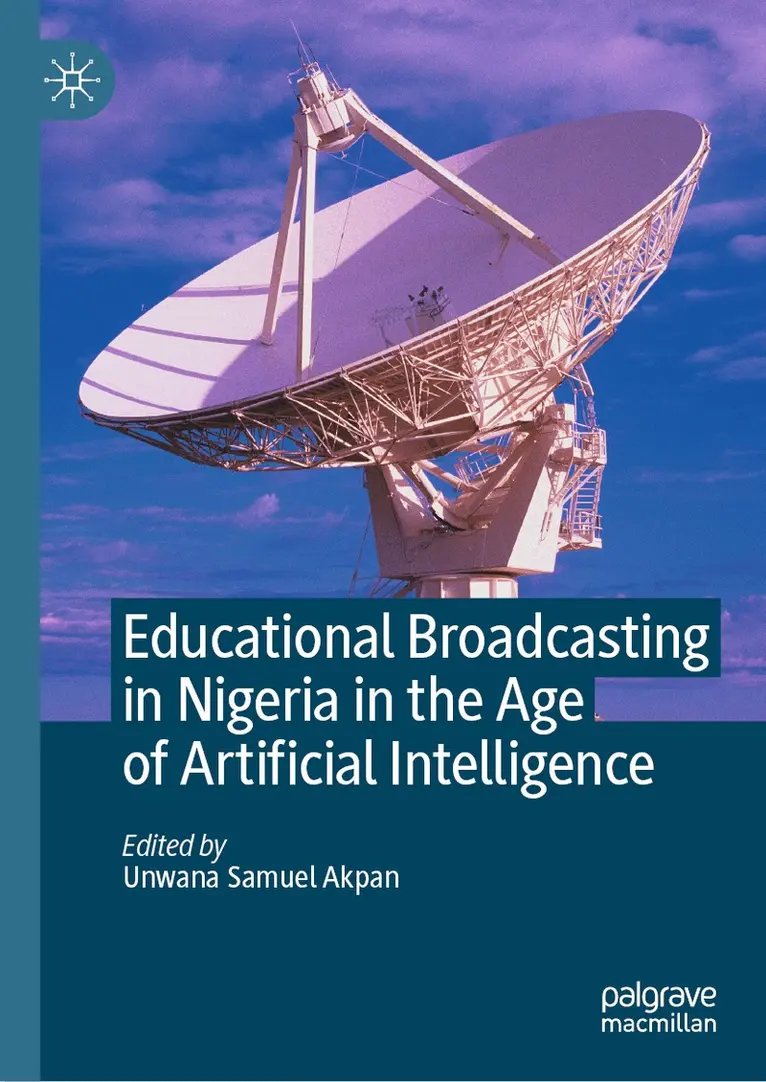
Educational Broadcasting in Nigeria in the Age of Artificial Intelligence
1850 kr
Beställningsvara. Skickas inom 5-8 vardagar. Fri frakt över 249 kr.
Beskrivning
This book does two things, first it celebrates and honors the research, scholarship, and leadership of Comfort Memfin Ekpo, the renowned Nigerian professor of educational technology, who is the second female vice chancellor to head a federal university in Nigeria. This book also explores the profound impact of digital interruptions and disruptions in the broadcast sector in Nigeria, exacerbated by the advent of artificial intelligence (AI). The book underscores the inadequacy of existing discourse to encompass the transformation of traditional educational broadcasting and programming. With Nigeria grappling with the highest number of out-of-school children globally, the book explores the urgent need to re-evaluate educational programs in the digital age, targeting marginalized populations hindered by factors such as electricity shortages and insufficient resources. The book, comprising contributions from senior scholars across Nigeria, aims to dissect the challenges and opportunities presented by AI and digitization in reshaping educational broadcasting. Unprecedented in its interdisciplinary approach, the book explores the intersections of communication, media, education, government policies, and the globalized landscape, offering a comprehensive analysis of the evolving dynamics in the field.
Produktinformation
- Utgivningsdatum: 2024-10-02
- Mått: 148 x 210 x 22 mm
- Vikt: 484 g
- Format: Inbunden
- Språk: Engelska
- Antal sidor: 260
- Förlag: Springer International Publishing AG
- ISBN: 9783031685293
Utforska kategorier
Betyg & recensioner
0 recensioner
Inga recensioner tillgängliga.