
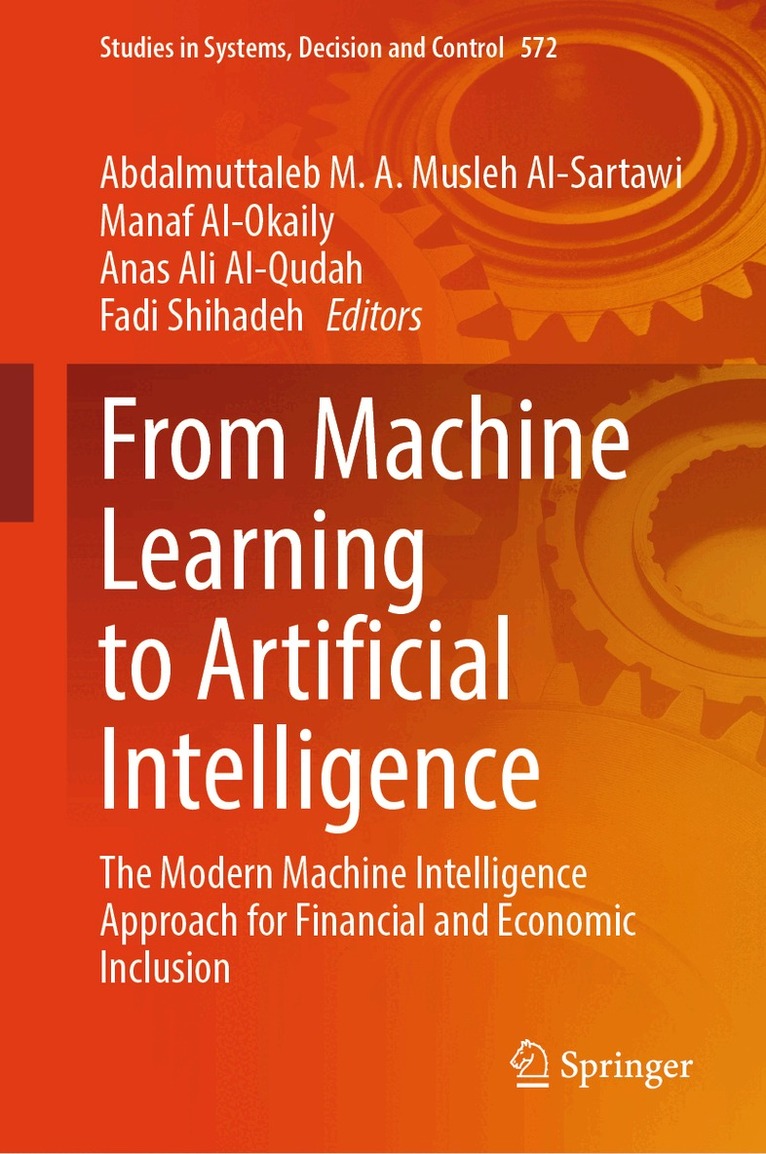
Del 572
From Machine Learning to Artificial Intelligence
Abdalmuttaleb M. A. Musleh Al-Sartawi, Manaf Al-Okaily, Anas Ali Al-Qudah, Fadi Shihadeh
3 340 kr
AvFadi Shihadeh,Anas Ali Al-Qudah
3 500 kr
Läs direkt i Bokus Reader – eller ladda ned till din enhet
The world is on a cusp of something great. Technology has advanced from solving simple issues to complex issues in both human life and other aspects such as social, economic, and environmental issues. The significance of machine intelligence as a tool to propel human as well as economic development is an important and hot topic today. This book is about how modern machine intelligence, AI, and machine learning applications can be used by governments and firms for financial and economic inclusion, as well as for providing solutions to bridge the digital divide. It aims to cover philosophical discussions, frameworks, and applications on central topics in machine intelligence, deep learning, mesh networks, frugal engineering, frugal innovation, blockchain technology, alternate networks, and intelligent digital financial inclusion system architectures. This book also aims to discuss the initiatives, policies, strategies, and governance issues related to furnishing technologies for technology access, financial inclusion and in turn economic growth.
Financial inclusion is defined as the proportion of people and corporations that use financial services. It further describes the fair, equal, and attainable access to financial services (Rawat et al., 2023). Financial inclusion is key to economic inclusion and economic growth as it enables the poor to improve their lives. Chapters in the book will improve our understanding of the advances and challenges of applying machine intelligence for financial inclusion and economic growth in different contexts including financial markets, governments, and corporations in both developing and developed countries. Access to financial services is essential to development efforts of markets, economies and eventually societies. Hence, in this context, financial inclusion can be explained as the process of ensuring that individuals particular impoverished people have access to essential financial services in the formal financial sector. Financial inclusion, recently, has been receiving traction from scholars and policymakers whereby it is one of the major strategies used by economies and societies in achieving UN’s sustainable development goals. Rawat et al. (2023) argues that it is vital to increase the use of “low-cost digital methods” for the economically marginalized and under-served people and sectors. There is a need for financial inclusion for the rapidly dynamic Industry 4.0. Therefore, linking technology, more particularly machine intelligence with financial inclusion and technology access is quite crucial given the current technological environment. Additionally, financial inclusion helps in enhancing the level of economic and social inclusion in many societies and developing countries as well as help in reducing poverty levels. Policy makers in several countries continue to commit significant resources and technologies to increase the level of financial inclusion in their countries to reduce financial exclusion. In developing countries, financial inclusion remains below potential in part due to the digital divide, limited technology access and the challenge for financial institutions in developing products for the low-income mass market (Hook IV, 2019; Marimuthu et al., 2022).
These matters are important topics to be researched and discussed, especially with the advancement of technology such as artificial intelligence, machine learning, blockchain, business intelligence, online education, in the current post-pandemic environment which catalysed these digital transformations. Therefore, this book has been proposed to discuss a very important and emerging topics which contributes significantly to policy and the SDGs in the digital economy.
Abdalmuttaleb M. A. Musleh Al-Sartawi, Manaf Al-Okaily, Anas Ali Al-Qudah, Fadi Shihadeh
3 340 kr
Abdalmuttaleb M. A. Musleh Al-Sartawi, Manaf Al-Okaily, Anas Ali Al-Qudah, Fadi Shihadeh
3 243 kr
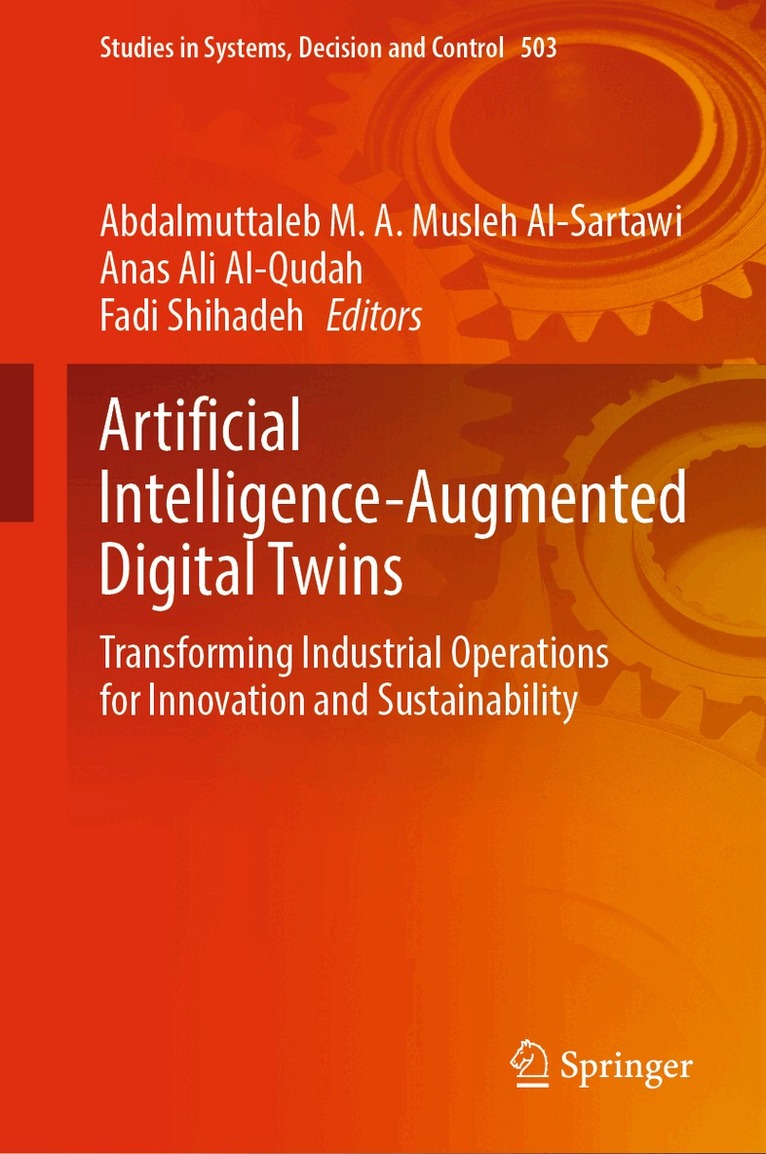
Abdalmuttaleb M. A. Musleh Al-Sartawi, Anas Ali Al-Qudah, Fadi Shihadeh
Inbunden, 2024
2 421 kr
Fadi Shihadeh, Anas Ali Al-Qudah, Abdalmuttaleb M. A. Musleh Al-Sartawi
3 181 kr
Abdalmuttaleb M. A. Musleh Al-Sartawi, Anas Ali Al-Qudah, Fadi Shihadeh
Häftad, 2025
2 421 kr
Abdulnaser Ibrahim Nour, Abdalmuttaleb M. A. Musleh Al-Sartawi
4 422 kr
Abdalmuttaleb M. A. Musleh Al-Sartawi, Arafat Salih Aydiner, Mohammad Kanan
Inbunden, 2024
2 267 kr
Muhammad Mustafa Kamal, Anjum Razzaque, Abdalmuttaleb M. A. Musleh Al-Sartawi
3 276 kr
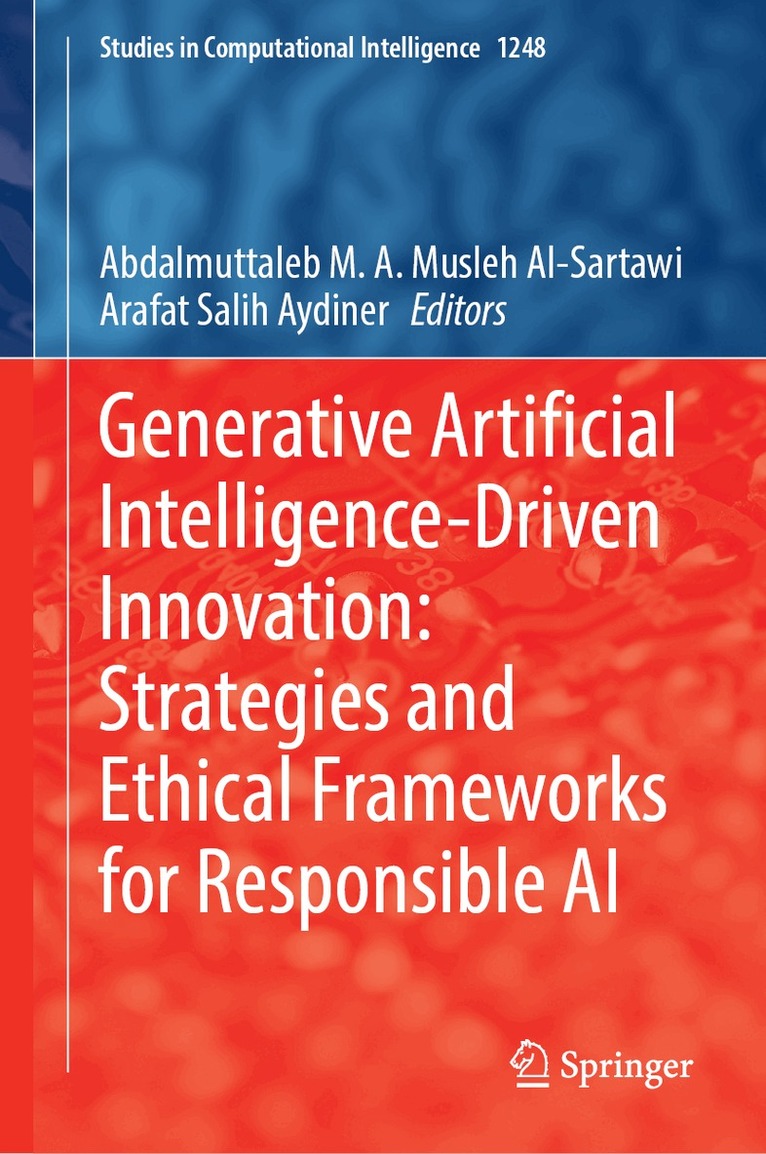
Abdalmuttaleb M. A. Musleh Al-Sartawi, Arafat Salih Aydiner
Inbunden, 2026
2 606 kr

Abdalmuttaleb M. a. Musleh Al-Sartawi, Khaled Hussainey
Häftad, 2019
2 038 kr
AvFadi Shihadeh,Anas Ali Al-Qudah
3 500 kr
Läs direkt i Bokus Reader – eller ladda ned till din enhet
The world is on a cusp of something great. Technology has advanced from solving simple issues to complex issues in both human life and other aspects such as social, economic, and environmental issues. The significance of machine intelligence as a tool to propel human as well as economic development is an important and hot topic today. This book is about how modern machine intelligence, AI, and machine learning applications can be used by governments and firms for financial and economic inclusion, as well as for providing solutions to bridge the digital divide. It aims to cover philosophical discussions, frameworks, and applications on central topics in machine intelligence, deep learning, mesh networks, frugal engineering, frugal innovation, blockchain technology, alternate networks, and intelligent digital financial inclusion system architectures. This book also aims to discuss the initiatives, policies, strategies, and governance issues related to furnishing technologies for technology access, financial inclusion and in turn economic growth.
Financial inclusion is defined as the proportion of people and corporations that use financial services. It further describes the fair, equal, and attainable access to financial services (Rawat et al., 2023). Financial inclusion is key to economic inclusion and economic growth as it enables the poor to improve their lives. Chapters in the book will improve our understanding of the advances and challenges of applying machine intelligence for financial inclusion and economic growth in different contexts including financial markets, governments, and corporations in both developing and developed countries. Access to financial services is essential to development efforts of markets, economies and eventually societies. Hence, in this context, financial inclusion can be explained as the process of ensuring that individuals particular impoverished people have access to essential financial services in the formal financial sector. Financial inclusion, recently, has been receiving traction from scholars and policymakers whereby it is one of the major strategies used by economies and societies in achieving UN’s sustainable development goals. Rawat et al. (2023) argues that it is vital to increase the use of “low-cost digital methods” for the economically marginalized and under-served people and sectors. There is a need for financial inclusion for the rapidly dynamic Industry 4.0. Therefore, linking technology, more particularly machine intelligence with financial inclusion and technology access is quite crucial given the current technological environment. Additionally, financial inclusion helps in enhancing the level of economic and social inclusion in many societies and developing countries as well as help in reducing poverty levels. Policy makers in several countries continue to commit significant resources and technologies to increase the level of financial inclusion in their countries to reduce financial exclusion. In developing countries, financial inclusion remains below potential in part due to the digital divide, limited technology access and the challenge for financial institutions in developing products for the low-income mass market (Hook IV, 2019; Marimuthu et al., 2022).
These matters are important topics to be researched and discussed, especially with the advancement of technology such as artificial intelligence, machine learning, blockchain, business intelligence, online education, in the current post-pandemic environment which catalysed these digital transformations. Therefore, this book has been proposed to discuss a very important and emerging topics which contributes significantly to policy and the SDGs in the digital economy.
Abdalmuttaleb M. A. Musleh Al-Sartawi, Manaf Al-Okaily, Anas Ali Al-Qudah, Fadi Shihadeh
3 340 kr
Abdalmuttaleb M. A. Musleh Al-Sartawi, Manaf Al-Okaily, Anas Ali Al-Qudah, Fadi Shihadeh
3 243 kr
Abdalmuttaleb M. A. Musleh Al-Sartawi, Anas Ali Al-Qudah, Fadi Shihadeh
Inbunden, 2024
2 421 kr
Fadi Shihadeh, Anas Ali Al-Qudah, Abdalmuttaleb M. A. Musleh Al-Sartawi
3 181 kr
Abdalmuttaleb M. A. Musleh Al-Sartawi, Anas Ali Al-Qudah, Fadi Shihadeh
Häftad, 2025
2 421 kr
Abdulnaser Ibrahim Nour, Abdalmuttaleb M. A. Musleh Al-Sartawi
4 422 kr
Abdalmuttaleb M. A. Musleh Al-Sartawi, Arafat Salih Aydiner, Mohammad Kanan
Inbunden, 2024
2 267 kr
Muhammad Mustafa Kamal, Anjum Razzaque, Abdalmuttaleb M. A. Musleh Al-Sartawi
3 276 kr
Abdalmuttaleb M. A. Musleh Al-Sartawi, Arafat Salih Aydiner
Inbunden, 2026
2 606 kr
Abdalmuttaleb M. a. Musleh Al-Sartawi, Khaled Hussainey
Häftad, 2019
2 038 kr