• Fri frakt över 249 kr
  • •
  • Snabba leveranser
  • •
  • Billiga böcker
Kundservice

Du är på sajten för privatpersoner.

Företag, bibliotek eller offentlig verksamhet?

Du handlar på classic.bokus.com, där alla dina funktioner finns intakta.
Till classic.bokus.com
Bokus logotyp. Gå till startsidan.
  • Erbjudanden
  • Nyheter
  • Student
  • Topplistor
  • Barn & ungdom
  • Bokus Play
  • E-böcker
  • Pocketböcker
  • Spel & pussel

10% rabatt på allt med kod NYSTART10 →

Sidfot

Mina sidor

    Hjälp

    • Kundservice
    • Vanliga frågor och svar
    • Frakt och leverans
    • Retur vid ångerrätt
    • Reklamera vara
    • Betalning
    • Köpvillkor
    • Allmänna villkor
    • Information om webbplatsens tillgänglighet

    Om Bokus

    • Om oss
    • Pressrum
    • För studenter
    • För företag
    • För bibliotek och offentlig verksamhet
    • För leverantörer
    • Hållbarhet

    Populärt

    • Aktuella erbjudanden
    • Presentkort
    • Studentlitteratur
    • Nya böcker
    • Topplistor
    • Signerade böcker
    • Engelska böcker

    Inspiration

    • Boktips
    • BookTok
    • Populära bokserier
    • Barnbokskaraktärer
    • Populära författare
    Logotyp för Bokus
    Följ oss på Facebook (extern länk)Följ oss på Instagram (extern länk)Följ oss på YouTube (extern länk)Följ oss på TikTok (extern länk)
    bokus @ CookiesAnpassa cookiesIntegritetspolicyKöpvillkor
    Till Citymail hemsida (extern länk)Till Budbee hemsida (extern länk)Till Postnord hemsida (extern länk)Till Schenker hemsida (extern länk)Till Early Bird hemsida (extern länk)Till Walleys hemsida (extern länk)
    1. Ekonomi och Ledarskap
    2. Företagsekonomi
    3. Organisationsteori

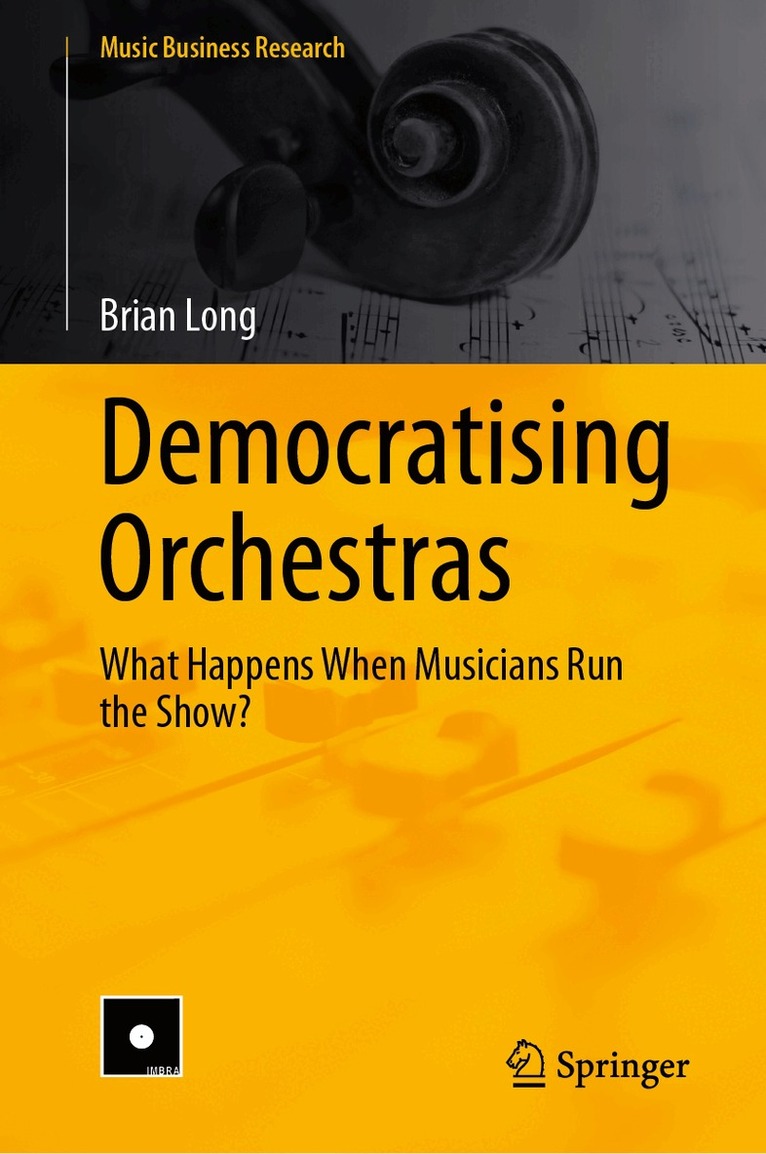
    Democratising Orchestras

    What Happens When Musicians Run the Show?

    AvBrian Long

    Inbunden, Engelska, 2026

    Del i serien Music Business Research

    950 kr

    Beställningsvara. Skickas inom 10-15 vardagar. Fri frakt över 249 kr.

    Fler format och utgåvor

    E-bok

    1 211 kr

    Beskrivning

    This book explores how democratic decision-making can transform orchestras, which have long been governed by top-down authority. Rooted in early twentieth-century organizational models, orchestras have thrived under centralized control, creating a global industry after 1945. However, this approach has left musicians with limited influence over key decisions, from repertoire to conductor selection. Through case studies of player-governed orchestras (PGOs), the author reveals how shared control reshapes traditional power dynamics, empowering musicians to take part in both artistic and managerial choices.A vital resource for musicians, conductors, arts managers, and researchers in organizational studies, this book offers critical insights for modernizing orchestral governance. It is particularly useful for those leading or forming orchestras, as well as academics studying participatory management, labor relations, or the arts sector. Readers will find practical strategies for sustaining democracy in traditionally hierarchical institutions.

    Produktinformation

    • Utgivningsdatum:2026-04-17
    • Mått:155 x 235 x 16 mm
    • Vikt:440 g
    • Format:Inbunden
    • Språk:Engelska
    • Serie:Music Business Research
    • Antal sidor:162
    • Förlag:Springer Nature Switzerland AG
    • ISBN:9783032173980

    Utforska kategorier

    • Organisationsteori inom Ekonomi och Ledarskap
    • Media och underhållning inom Ekonomi och Ledarskap
    • Musiker, sångare och grupper inom Kultur

    Mer om författaren

    Brian Long is a lecturer in arts and cultural management at the University of Melbourne (Australia). After early work as a freelance orchestral musician and conductor, he began a research and lecturing career in 2008. The move led to research in political science, orchestra management, and the creative industries.During a ten-year stint working in Vienna, Brian first encountered the player-governed orchestra model in the Vienna Philharmonic and was intrigued by the mix of benefits and challenges it created. This interest grew into a multi-year research project across Germany and London where he interviewed orchestral musicians and managers at the forefront of workplace democracy in professional orchestras. He has previously written on the political contexts of postwar German film and cultural diplomacy and contributed to the Directory of World Cinema Germany.

    Innehållsförteckning

    • 1. Introduction.- Orchestras and Democracy: The Theory.- 3. What is a Player-Governed Orchestra? The Case Studies.- 4. Going for Democracy: Set-Up Decisions.- 5. Democratic Orchestras in Action.- 6. Optimising Performance.- 7.  Combining Theory and Practice: Voting Rights, Incentives, Authority.- 8. Sustaining Democracy in an Orchestra.