Inbunden, Engelska, 2026
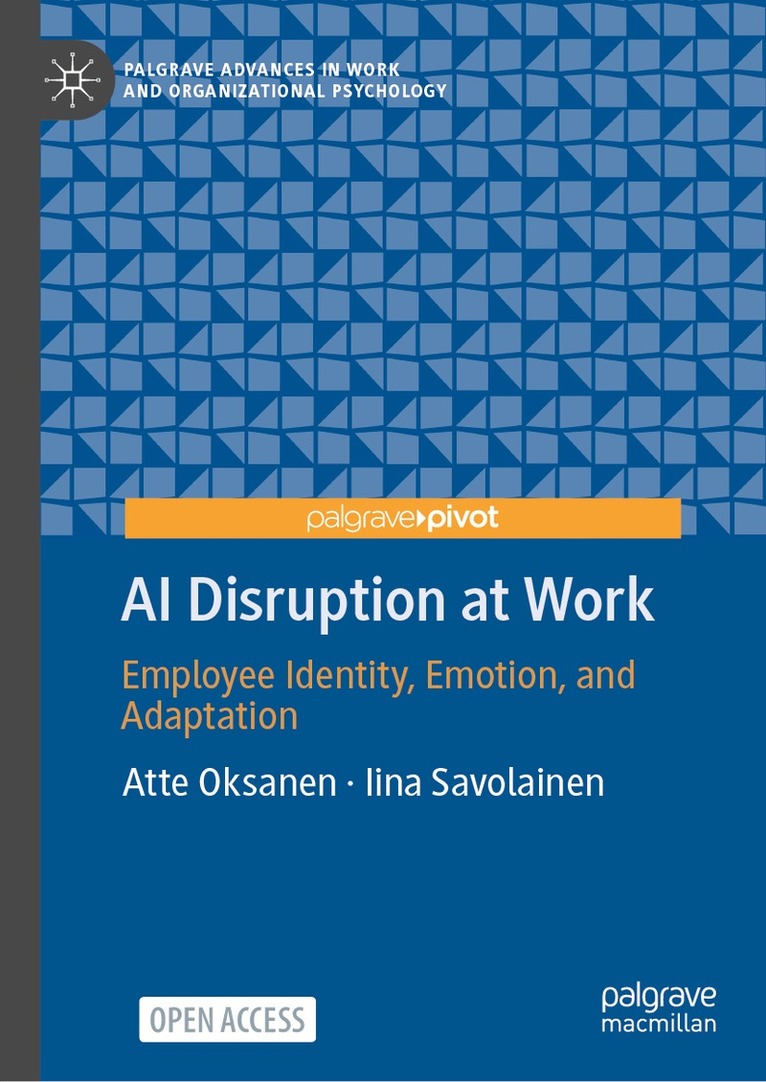
AI Disruption at Work
Av Atte Oksanen, Iina Savolainen
324 kr
Beställningsvara. Skickas inom 10-15 vardagar. Fri frakt över 249 kr.
Beskrivning
This open access book examines how artificial intelligence is rapidly transforming the workplace, reshaping tasks, roles, and professional identities. This timely and empirically grounded book offers a social psychological perspective on how employees experience and adapt to AI-driven disruption. Drawing on unique longitudinal survey data and qualitative interviews from Finland and Europe, the authors explore the emotional, cognitive, and behavioural dimensions of technological change. The book examines key themes including technostress, identity threat, self-efficacy, and creativity, and presents a human-centred framework for understanding adaptation and resilience in the age of AI. It also situates current developments within a broader historical context and considers the ethical implications of AI for work and wellbeing. Written in a clear and accessible style, the book bridges academic and practitioner audiences, offering insights for scholars in psychology, sociology, and organizational studies, as well as professionals in HR, digital transformation, and policy. It contributes to ongoing debates about the future of work by foregrounding the lived experience of employees and the psychological resources that shape their responses to technological disruption.
Produktinformation
- Utgivningsdatum: 2026-08-22
- Mått: 148 x 210 x 14 mm
- Vikt: 326 g
- Format: Inbunden
- Språk: Engelska
- Serie: Palgrave Advances in Work and Organizational Psychology
- Antal sidor: 139
- Förlag: Springer Nature Switzerland AG
- ISBN: 9783032352064
Utforska kategorier
Betyg & recensioner
0 recensioner
Inga recensioner tillgängliga.