• Fri frakt över 249 kr
  • •
  • Snabba leveranser
  • •
  • Billiga böcker
Kundservice

Du är på sajten för privatpersoner.

Företag, bibliotek eller offentlig verksamhet?

Du handlar på classic.bokus.com, där alla dina funktioner finns intakta.
Till classic.bokus.com
Bokus logotyp. Gå till startsidan.
  • Erbjudanden
  • Nyheter
  • Student
  • Topplistor
  • Barn & ungdom
  • Bokus Play
  • E-böcker
  • Pocketböcker
  • Spel & pussel

10% rabatt på allt med kod: NYSTART10 →

Sidfot

Mina sidor

    Hjälp

    • Kundservice
    • Vanliga frågor och svar
    • Frakt och leverans
    • Retur vid ångerrätt
    • Reklamera vara
    • Betalning
    • Köpvillkor
    • Allmänna villkor
    • Information om webbplatsens tillgänglighet

    Om Bokus

    • Om oss
    • Pressrum
    • För studenter
    • För företag
    • För bibliotek och offentlig verksamhet
    • För leverantörer
    • Hållbarhet

    Populärt

    • Aktuella erbjudanden
    • Presentkort
    • Studentlitteratur
    • Nya böcker
    • Topplistor
    • Signerade böcker
    • Engelska böcker

    Inspiration

    • Boktips
    • BookTok
    • Populära bokserier
    • Barnbokskaraktärer
    • Populära författare
    Logotyp för Bokus
    Följ oss på Facebook (extern länk)Följ oss på Instagram (extern länk)Följ oss på YouTube (extern länk)Följ oss på TikTok (extern länk)
    bokus @ CookiesAnpassa cookiesIntegritetspolicyKöpvillkor
    Till Citymail hemsida (extern länk)Till Budbee hemsida (extern länk)Till Postnord hemsida (extern länk)Till Schenker hemsida (extern länk)Till Early Bird hemsida (extern länk)Till Walleys hemsida (extern länk)
    1. Historia och arkeologi
    2. Historia
    3. Historia: särskilda händelser och ämnen
    4. Socialhistoria och kulturhistoria

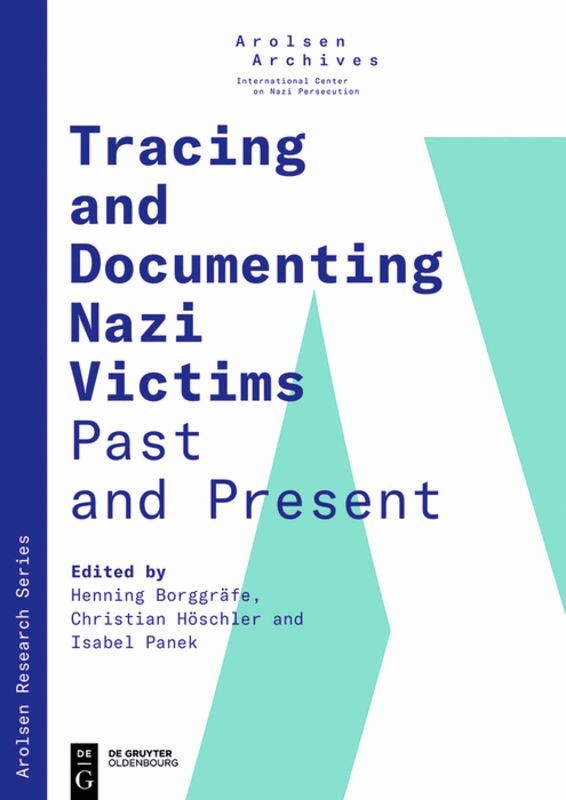
    Tracing and Documenting Nazi Victims Past and Present

    AvHenning Borggräfe,Christian Höschler

    Häftad, Engelska, 2020

    Del 1 i serien Arolsen Research Series

    281 kr

    Beställningsvara. Skickas inom 5-8 vardagar. Fri frakt över 249 kr.

    Beskrivning

    After World War II, tracing and documenting Nazi victims emerged against the background of millions of missing persons and early compensation proceedings. This was a process in which the Allies, international aid organizations, and survivors themselves took part. New archives, documentation centers and tracing bureaus were founded amid the increasing Cold War divide. They gathered documents on Nazi persecution and structured them in specialized collections to provide information on individual fates and their grave repercussions: the loss of relatives, the search for a new home, physical or mental injuries, existential problems, social support and recognition, but also continued exclusion or discrimination. By doing so, institutions involved in this work were inevitably confronted with contentious issues—such as varying political mandates, neutrality vs. solidarity with those formerly persecuted, data protection vs. public interest, and many more. Over time, tracing bureaus and archives changed methods and policies and even expanded their activities, using historical documents for both research and public remembrance. This is the first publication to explore this multifaceted history of tracing and documenting past and present.

    Produktinformation

    • Utgivningsdatum:2020-06-08
    • Mått:155 x 230 x 22 mm
    • Vikt:533 g
    • Format:Häftad
    • Språk:Engelska
    • Serie:Arolsen Research Series
    • Antal sidor:350
    • Upplaga:20001
    • Förlag:De Gruyter
    • ISBN:9783110661606

    Utforska kategorier

    • Socialhistoria och kulturhistoria inom Historia och arkeologi
    • Europas historia inom Historia och arkeologi
    • Andra världskriget inom Historia och arkeologi

    Mer om författaren

    Henning Borggräfe, Arolsen Archives; Christian Höschler, Arolsen Archives; Isabel Panek, Museum of the City of Leipzig.

    Innehållsförteckning

    • Tracing and Documenting Nazi Victims Past and Present – Table of Contents Floriane AzoulayPreface Henning Borggräfe, Christian Höschler, and Isabel PanekTracing and Documenting Nazi Victims Past and Present – Introduction Dan Stone On the Uses and Disadvantages of ITS for History   From Early Tracing Activities to Information for Descendants Christian Höschler and Isabel Panek The (Early) Search for Missing Nazi Victims: Historical Precedents, Organizational Frameworks, and Methods Linda G. Levi Family Searching and Tracing Services of JDC in the World War II Era Christine Schmidt Those Left Behind: Early Search Efforts in Wartime and Postwar Britain Maren Hachmeister Tracing Services in Poland and Czechoslovakia after 1945: Between Humanitarian Principles and Socialist Ideology René Bienert Help for Survivors – Help from Survivors: Simon Wiesenthal and the Early Years of the Search for Nazi Criminals in Linz Silke von der Emde Caring for the Dead and the Living: DPs and the Arolsen Archives of Feelings Zvi Bernhardt Yad Vashem and Holocaust Victim’s Search for Family Diane Afoumado ITS Research at the Unites States Holocaust Memorial Museum for Descendants of Holocaust Victims and Survivors Ramona Bräu, Kerstin Hofmann, and Anna Meier-Osiński The New Tasks and Challenges for Tracing   Collections and Activities of Archives Dealing with Nazi Victims Henning Borggräfe and Isabel Panek The Arolsen Archives as an Example for the Emergence of Collections Archives after 1945 Rebecca Boehling From Tracing and Fate Clarification to Research Center: The Role of International Players and Transnationalism in Shaping the Identity of the ITS Kerstin Hofmann "It is our job to find out who did what." The Central Office in Ludwigsburg and Cooperation with the ITS Tobias Herrmann The Federal Archives and its Role in German Politics of Remembrance Carola Lau Institutes of National Remembrance and their Role in the Analysis of National Socialism – An Examination of the Issues, Debates and Public Perceptions Puck Huitsing and Edwin Klijn Linking and Enriching Archival Collections in the Digital Age: The Dutch War Collections Network   List of Contributors