

Glutamate and ATP at the Interface of Metabolism and Signaling in the Brain
1 102 kr
Beställningsvara. Skickas inom 10-15 vardagar. Fri frakt över 249 kr.
Beskrivning
ATP acts as main energy source and is pivotal for numerous signaling cascades both inside the cells (by fuelling various transport systems and donating phosphate groups) and between the cells (by chemical transmission). Similarly glutamate acts as an important molecule for both intercellular signaling though glutamatergic transmission and cell energetics by contributing to ATP production.In this collection of chapters, written by the leading experts in the field of cell metabolism and energetics, intracellular signaling and neurotransmission we covered various aspects of the interfacing between these two fundamental molecules. This book will be particularly useful for researchers, students, physicians and psychotherapists working in the field of neurobiology, neurology and psychiatry.
Produktinformation
Utforska kategorier
Innehållsförteckning
Hoppa över listan

Mer från samma författare
Astrocytes in (Patho)Physiology of the Nervous System
Vladmir Parpura, Vladimir Parpura, Philip G. Haydon
Inbunden, 2008
2 262 kr
Astrocytes in (Patho)Physiology of the Nervous System
Philip G. Haydon, Vladimir Parpura
E-bok
20082 833 kr
Astrocytes in (Patho)Physiology of the Nervous System
Vladimir Parpura, Philip G. Haydon
Häftad, 2017
2 197 kr
Hoppa över listan
Mer från samma serie
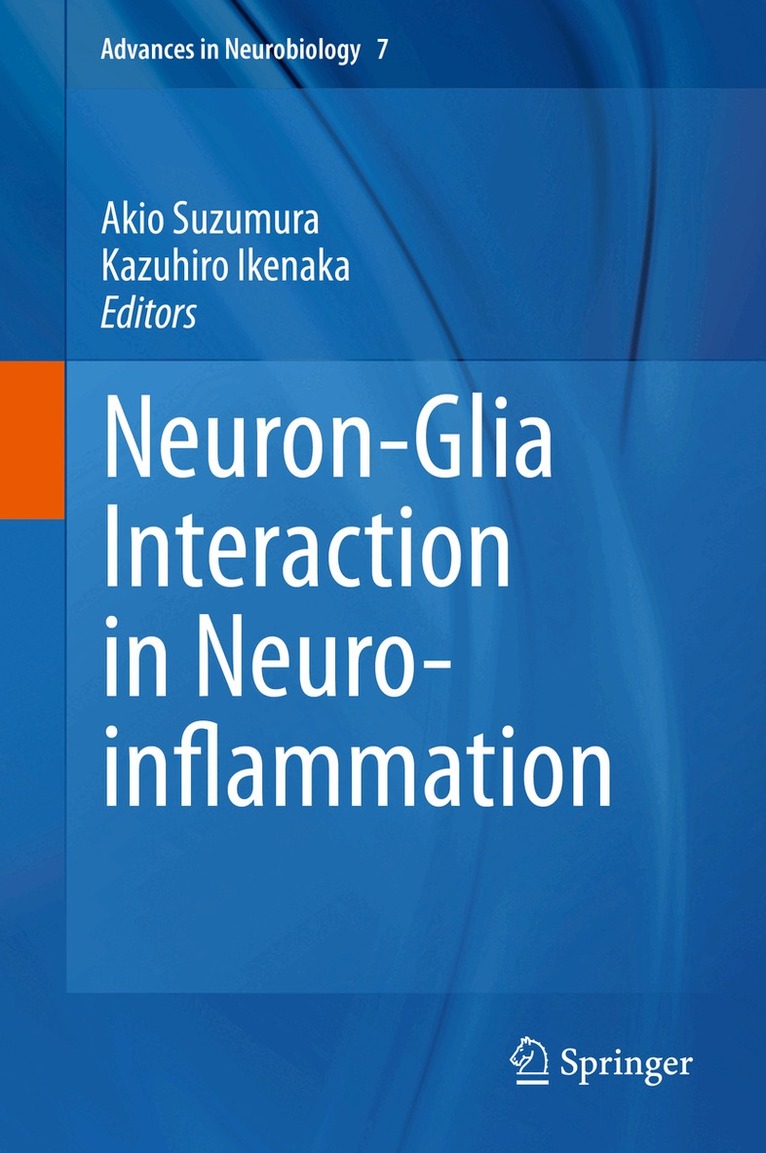
Del 1
Del 2
Del 5
Del 4
Del 5
Del 2
Del 6
Brain Immune System Signal Molecules in Protection from Aerobic and Anaerobic Infections
Armen A. Galoyan
Inbunden, 2012
2 416 kr
Del 8
Hoppa över listan

Du kanske också är intresserad av
- 10% rabatt på allt
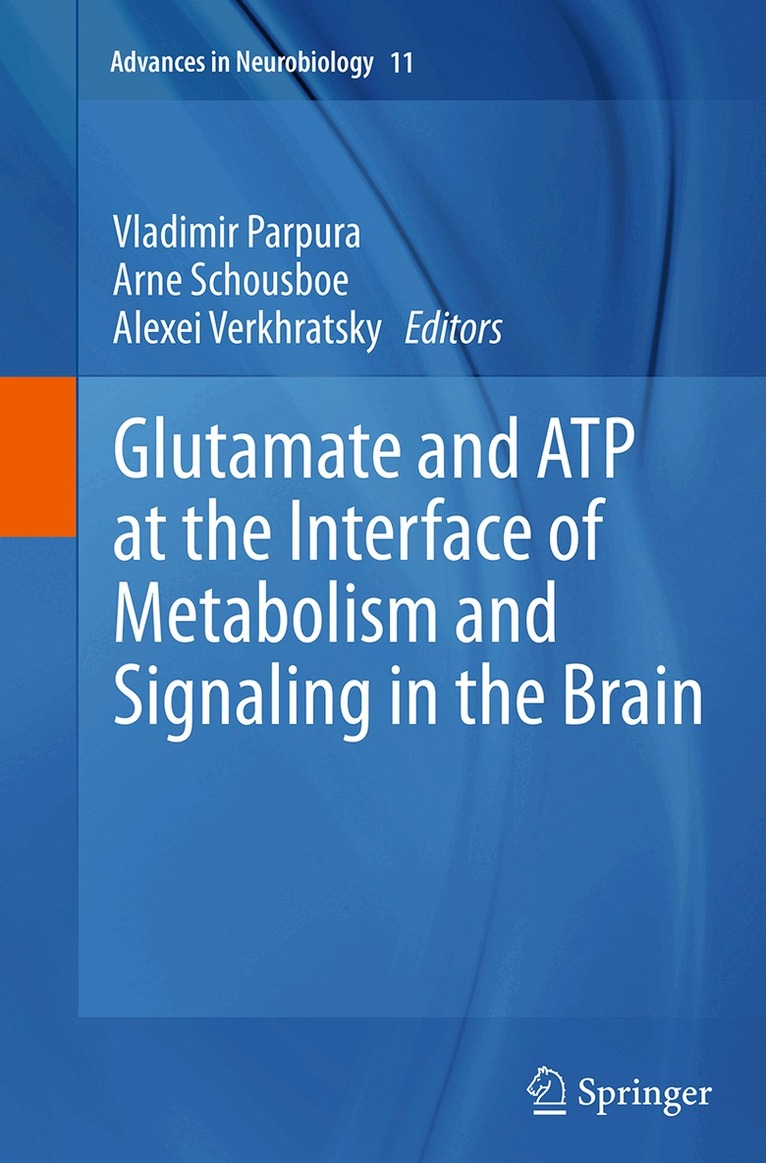
Glutamate and ATP at the Interface of Metabolism and Signaling in the Brain
Vladimir Parpura, Arne Schousboe, Alexei Verkhratsky
Häftad, 2016
1 450 kr
Del 1175
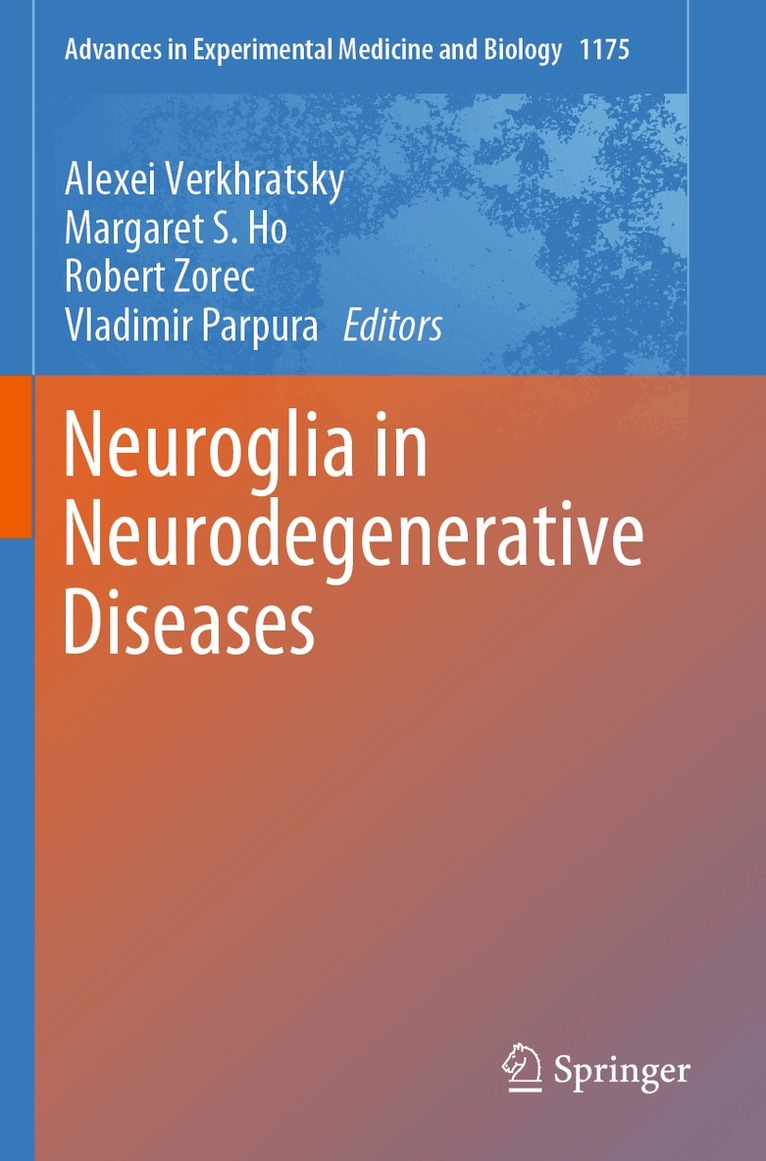
Neuroglia in Neurodegenerative Diseases
Alexei Verkhratsky, Margaret S. Ho, Robert Zorec, Vladimir Parpura
Häftad, 2020
1 924 kr
Astrocytes in Psychiatric Disorders
Baoman Li, Vladimir Parpura, Alexei Verkhratsky, Caterina Scuderi
Inbunden, 2021
1 329 kr
Glutamate and ATP at the Interface of Metabolism and Signaling in the Brain
Alexei Verkhratsky, Arne Schousboe, Vladimir Parpura
E-bok
20141 427 kr
Neuroglia in Neurodegenerative Diseases
Vladimir Parpura, Robert Zorec, Margaret S. Ho, Alexei Verkhratsky
E-bok
20192 430 kr