E-bok, Engelska, 2018
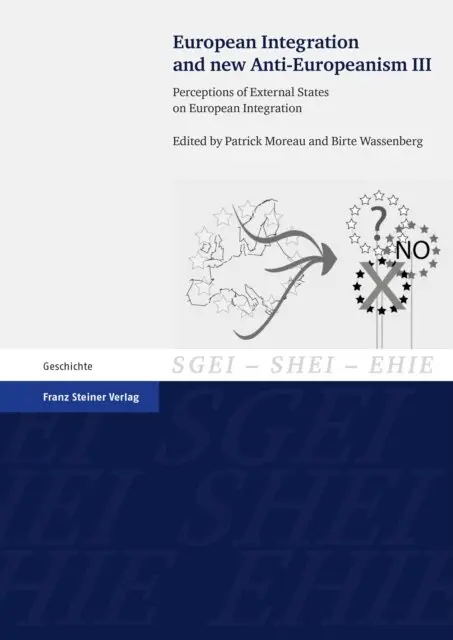
European Integration and new Anti-Europeanism. Vol. 3
Av Birte Wassenberg, Patrick Moreau
564 kr
Läs direkt i Bokus Reader – eller ladda ned till din enhet (PDF kräver ofta zoom och scroll på små skärmar).
Beskrivning
The history of European integration has always known "e;external states"e; that did not want or were not able to join the process of European integration. The EU might indeed not be seen as attractive: Since 2008, it has had to face many crises, first the financial crisis, then the migration and Schengen crises in 2015, and finally the "e;leave"e; vote in Great Britain in 2016, the so-called "e;Brexit"e;. Euro-skepticism has continually increased in EU-member states as the rejection of various EU treaties proved. On national as well as EU levels, the strength of anti-European parties has grown. The present volume, edited by Birte Wassenberg and Patrick Moreau, concentrates on these "e;external states"e;, particularly their attitude towards Europe. By looking at the geopolitical context, a wide range from historical constants to a changing of attitudes is shown and proves that the EU remains a fundamental actor of European politics and that its attraction continues to be very powerful.
Produktinformation
- Utgivningsdatum: 2018-10-05
- Språk: Engelska
- Filformat: PDF
- Kopieringsskydd: LCP
- ISBN: 9783515112703
- Förlag: Franz Steiner Verlag GmbH
Utforska kategorier
Betyg & recensioner
0 recensioner
Inga recensioner tillgängliga.