Inbunden, Engelska, 2009
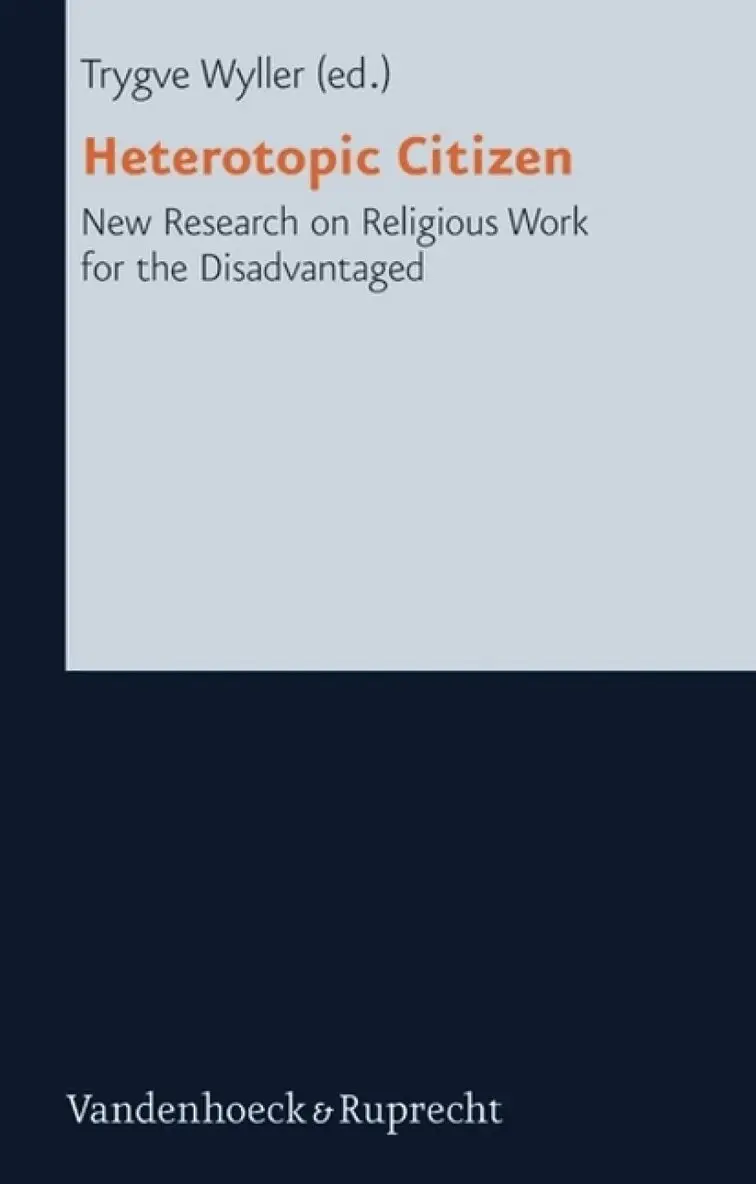
Heterotopic Citizen
1321 kr
Beställningsvara. Skickas inom 11-20 vardagar. Fri frakt över 249 kr.
Beskrivning
This book analyses religious work for the marginalized from the perspective of citizenship and otherness. The articles try to answer the question if religion makes a contribution to a growing recognition of human rights in society or if current philantropical and religious work for the marginalized re-introduce disciplinary practices which threaten the more substantial and universal citizenship. The theoretical starting point are Michel Foucaults studies about heterotopic places.
Produktinformation
- Utgivningsdatum: 2009-10-01
- Mått: 160 x 237 x undefined mm
- Vikt: 516 g
- Format: Inbunden
- Språk: Engelska
- Antal sidor: 235
- Förlag: Vandenhoeck & Ruprecht GmbH & Co KG
- ISBN: 9783525604380
Utforska kategorier
Betyg & recensioner
0 recensioner
Inga recensioner tillgängliga.