Häftad, Engelska, 2026
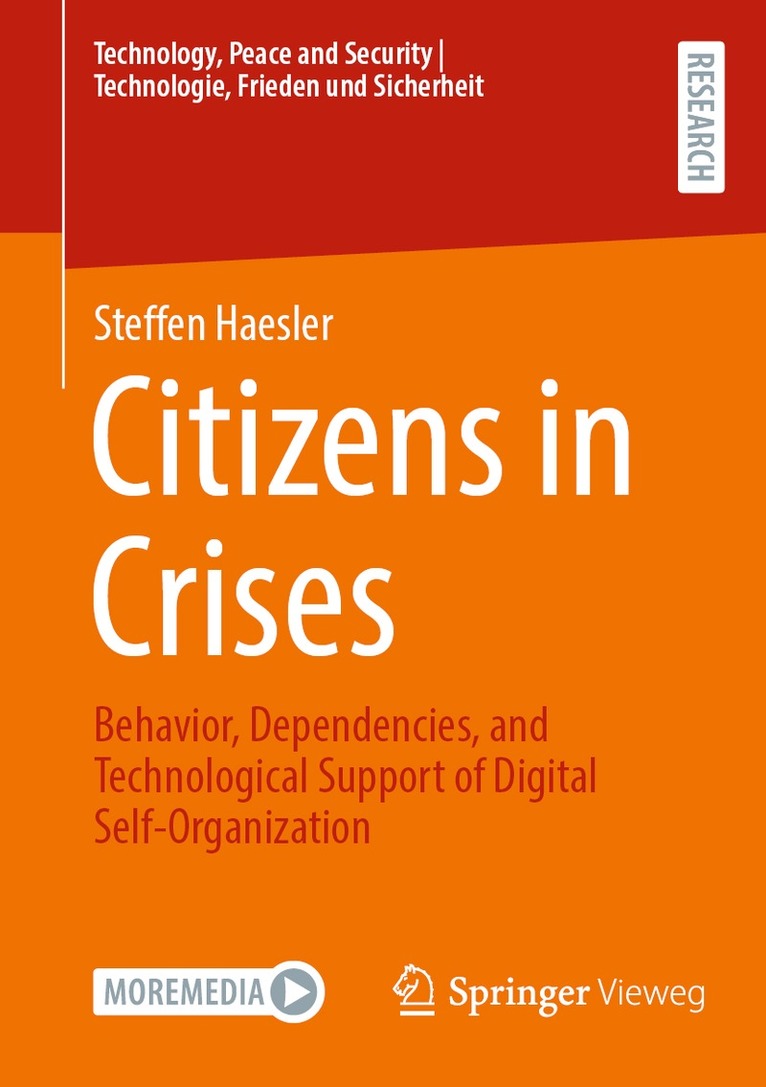
Citizens in Crises
1476 kr
Ej publicerad ännu
Beskrivning
In times of crisis, individuals spontaneously engage in various forms of self-organization, whether within their neighborhoods, by volunteering, or alongside professional responders. Technology is established in crisis volunteering and management, with people using tools to collaborate, such as social media or integrating new software for disaster response, exemplified by COVID tracing apps. However, this dependence on technology hinders reliable digital actions because of common disruptions or overload of information and communication technology (ICT) infrastructure during crises. This book addresses digitized crisis handling of individuals regarding resilience, usability, and social integration by supporting decentralized concepts of connectivity. It explains why neighborhoods are important as a cell of self-organization, how to integrate public warnings in smart homes to create an environment of resilience locally, and how volunteering encapsulates digital actions. As people are vulnerable in a crisis and have limited mental capacities, it is not only about the resilience of used tools but also having a human-centered perspective on technology by ensuring usability and acceptance through integrity, integrating social structures, and trust. Findings show that decentralized communication protocols can uphold collaboration during disruptions and have advantages within the scope of neighborhoods, which match both technical dependencies of protocols like disruption-tolerant network (DTN) and established social behavior of digital self-organization in crisis.
Produktinformation
- Utgivningsdatum: 2026-12-10
- Mått: 148 x 210 x undefined mm
- Format: Häftad
- Språk: Engelska
- Serie: Technology, Peace and Security I Technologie, Frieden und Sicherheit
- Antal sidor: 408
- Förlag: Springer Fachmedien Wiesbaden
- ISBN: 9783658517885
Utforska kategorier
Betyg & recensioner
0 recensioner
Inga recensioner tillgängliga.