Inbunden, Engelska, 2018
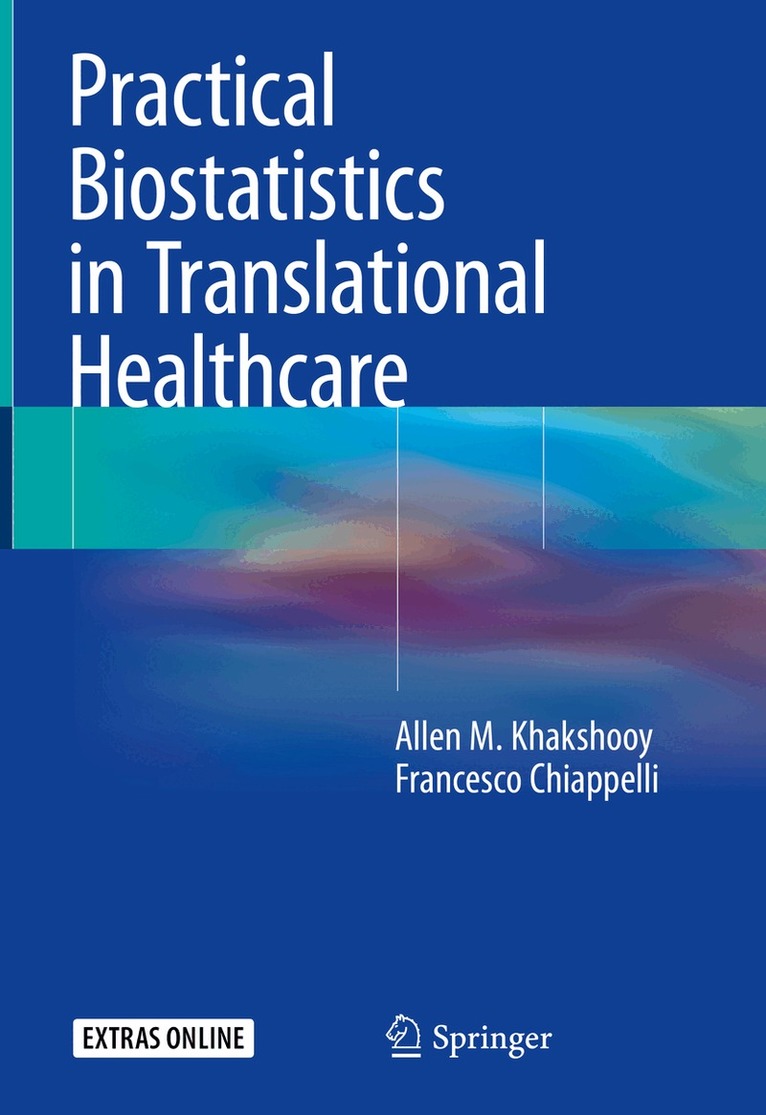
Practical Biostatistics in Translational Healthcare
Av Allen M. Khakshooy, Francesco Chiappelli
1573 kr
Beställningsvara. Skickas inom 10-15 vardagar. Fri frakt över 249 kr.
Beskrivning
There is an ever-increasing emphasis on evidence-based medicine that is distinguished by systematic crafting of the patient-centered research question, detailed literature searches, and careful appraisal of the resulting evidence. The consensus that ultimately emerges must then be applied in specific clinical settings, and it is to this process that translational effectiveness analysis refers. This portable and easy-to-use handbook is intended as a practical teaching guide on translational effectiveness for students and clinicians. Specifically, it will serve as a primer on patient-centered outcomes research methodology in the health sciences and explain how to acquire and understand the fundamental data that determine which reports are valued as the “best available” evidence. It presents an accessible and readily intelligible set of principles which doctors, dentists, nurses, and insurance carriers will be able to use in the process of health care-related decision-making.
Produktinformation
- Utgivningsdatum: 2018-07-12
- Mått: 178 x 254 x 143 mm
- Vikt: 618 g
- Format: Inbunden
- Språk: Engelska
- Antal sidor: 227
- Förlag: Springer-Verlag Berlin and Heidelberg GmbH & Co. KG
- ISBN: 9783662574355
Utforska kategorier
Betyg & recensioner
0 recensioner
Inga recensioner tillgängliga.