• Fri frakt över 249 kr
  • •
  • Snabba leveranser
  • •
  • Billiga böcker
Kundservice

Du är på sajten för privatpersoner.

Företag, bibliotek eller offentlig verksamhet?

Du handlar på classic.bokus.com, där alla dina funktioner finns intakta.
Till classic.bokus.com
Bokus logotyp. Gå till startsidan.
  • Erbjudanden
  • Nyheter
  • Student
  • Topplistor
  • Barn & ungdom
  • Bokus Play
  • E-böcker
  • Pocketböcker
  • Spel & pussel

10% rabatt på allt med kod: NYSTART10 →

Sidfot

Mina sidor

    Hjälp

    • Kundservice
    • Vanliga frågor och svar
    • Frakt och leverans
    • Retur vid ångerrätt
    • Reklamera vara
    • Betalning
    • Köpvillkor
    • Allmänna villkor
    • Information om webbplatsens tillgänglighet

    Om Bokus

    • Om oss
    • Pressrum
    • För studenter
    • För företag
    • För bibliotek och offentlig verksamhet
    • För leverantörer
    • Hållbarhet

    Populärt

    • Aktuella erbjudanden
    • Presentkort
    • Studentlitteratur
    • Nya böcker
    • Topplistor
    • Signerade böcker
    • Engelska böcker

    Inspiration

    • Boktips
    • BookTok
    • Populära bokserier
    • Barnbokskaraktärer
    • Populära författare
    Logotyp för Bokus
    Följ oss på Facebook (extern länk)Följ oss på Instagram (extern länk)Följ oss på YouTube (extern länk)Följ oss på TikTok (extern länk)
    bokus @ CookiesAnpassa cookiesIntegritetspolicyKöpvillkor
    Till Citymail hemsida (extern länk)Till Budbee hemsida (extern länk)Till Postnord hemsida (extern länk)Till Schenker hemsida (extern länk)Till Early Bird hemsida (extern länk)Till Walleys hemsida (extern länk)
    1. Samhälle och politik
    2. Politik och statsskick
    3. Internationella relationer

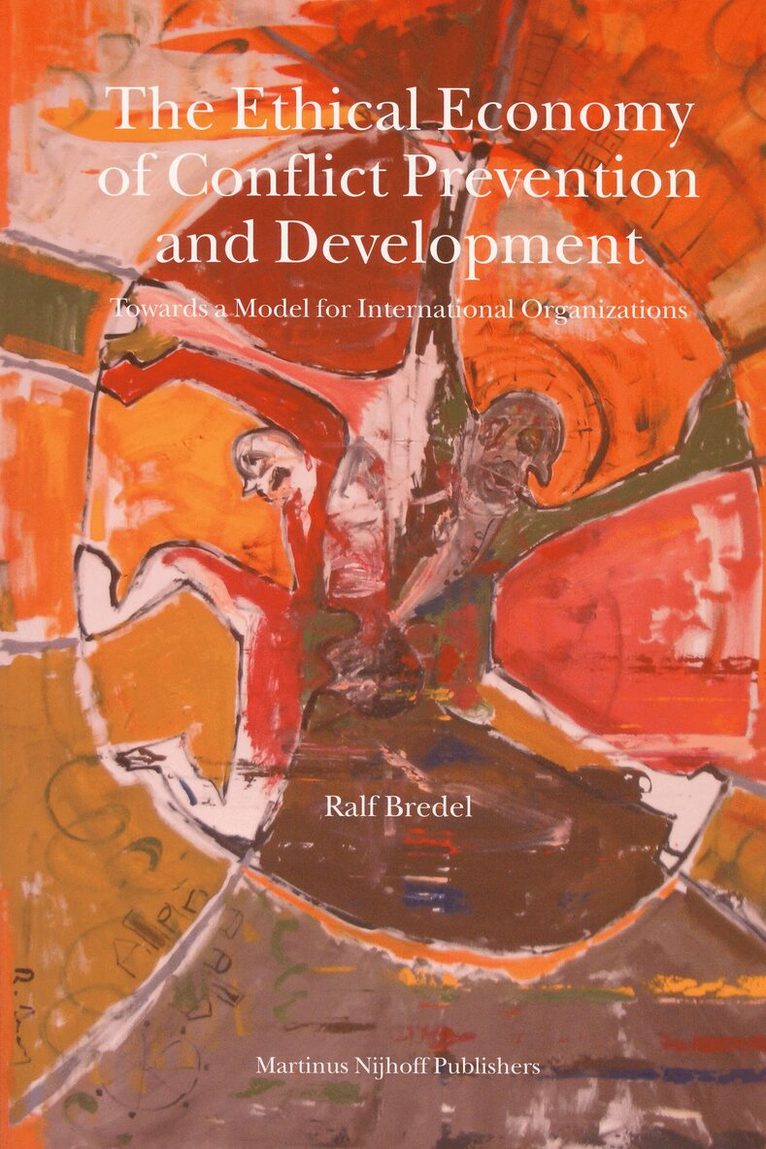
    Ethical Economy of Conflict Prevention and Development

    Towards a Model for International Organizations

    AvRalf Bredel

    Häftad, Engelska, 2006

    Del 68 i serien Nijhoff Law Specials

    1 872 kr

    Beställningsvara. Skickas inom 5-8 vardagar. Fri frakt över 249 kr.

    Beskrivning

    Central to the current development debate is the importance of human welfare in the context of group conflict. When considering ethnic, racial and religious conflict, this debate draws us toward a 'political economy' of conflict. Moreover, notions of an economic paradigm have become prominent when international organizations debate conflict prevention. In looking closer at the political economy of conflict, this publication argues the need to assimilate into our thinking distinct social and ethical economies of conflict prevention. A social economy of conflict prevention considers the interplay of economic with structural and cultural factors in conflict, explaining a much neglected category of conflict, i.e. hidden conflict. The ethical economy of conflict prevention considers implicit ethical statements development practitioners use. From these statements arise ethical paradoxes that influence the evolving economic paradigm, in such way as to contradict one of its intrinsic desires, namely, to restrict conflict prevention strategies to effective technical interventions. Eventually, such narrow focus on technical interventions could identify this evolving paradigm as an 'economical' paradigm. In contrast, a rethinking of the ethical economy of conflict prevention provides a useful tool for international organizations when implementing a human rights-based approach to development and long-term conflict prevention.

    Produktinformation

    • Utgivningsdatum:2006-11-29
    • Mått:155 x 235 x 14 mm
    • Vikt:425 g
    • Format:Häftad
    • Språk:Engelska
    • Serie:Nijhoff Law Specials
    • Antal sidor:260
    • Förlag:Brill
    • ISBN:9789004153059

    Utforska kategorier

    • Internationella relationer inom Samhälle och politik
    • Referensverk och tvärvetenskap inom Samhälle och politik
    • Folkrätt inom Juridik

    Mer om författaren

    Ralf Bredel works for the United Nations Industrial Development Organization (UNIDO), as Executive Officer in the Office of the Managing Director, Programme Development and Technical Cooperation Division. Before returning to UNIDO Headquarters recently, he was posted in Beijing, China for several years. He holds separate doctor degrees in philosophy and economics. Before joining the United Nations System, he has been a visiting fellow with the Department of Philosophy at Harvard University, and the International Development Centre (Queen Elizabeth House) at the University of Oxford. Previous book titles include Long-Term Conflict Prevention and Industrial Development: The United Nations and its Specialized Agency, UNIDO (2003).