• Fri frakt över 249 kr
  • •
  • Snabba leveranser
  • •
  • Billiga böcker
Kundservice

Du är på sajten för privatpersoner.

Företag, bibliotek eller offentlig verksamhet?

Du handlar på classic.bokus.com, där alla dina funktioner finns intakta.
Till classic.bokus.com
Bokus logotyp. Gå till startsidan.
  • Erbjudanden
  • Nyheter
  • Student
  • Topplistor
  • Barn & ungdom
  • Bokus Play
  • E-böcker
  • Pocketböcker
  • Spel & pussel

10% studentrabatt med kod TERM26

Sidfot

Mina sidor

    Hjälp

    • Kundservice
    • Vanliga frågor och svar
    • Frakt och leverans
    • Retur vid ångerrätt
    • Reklamera vara
    • Betalning
    • Köpvillkor
    • Allmänna villkor
    • Information om webbplatsens tillgänglighet

    Om Bokus

    • Om oss
    • Pressrum
    • För studenter
    • För företag
    • För bibliotek och offentlig verksamhet
    • För leverantörer
    • Hållbarhet

    Populärt

    • Aktuella erbjudanden
    • Presentkort
    • Studentlitteratur
    • Nya böcker
    • Topplistor
    • Signerade böcker
    • Engelska böcker

    Inspiration

    • Boktips
    • BookTok
    • Populära bokserier
    • Barnbokskaraktärer
    • Populära författare
    Logotyp för Bokus
    Följ oss på Facebook (extern länk)Följ oss på Instagram (extern länk)Följ oss på YouTube (extern länk)Följ oss på TikTok (extern länk)
    bokus @ CookiesAnpassa cookiesIntegritetspolicyKöpvillkor
    Till Citymail hemsida (extern länk)Till Budbee hemsida (extern länk)Till Postnord hemsida (extern länk)Till Schenker hemsida (extern länk)Till Early Bird hemsida (extern länk)Till Walleys hemsida (extern länk)
    1. Samhälle och politik
    2. Samhälle och kultur
    3. Kultur och medier
    4. Kulturvetenskap

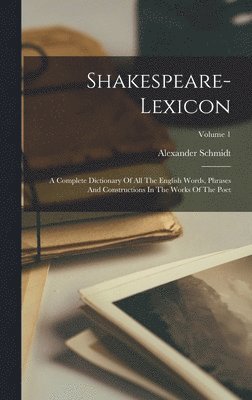
    Vaterlandsliebe und Religionskonflikt: Politische Diskurse im Alten Reich (1555-1648)

    AvAlexander Schmidt

    Inbunden, Tyska, 2007

    Del 126 i serien Studies in Medieval and Reformation Traditions

    2 459 kr

    Beställningsvara. Skickas inom 5-8 vardagar. Fri frakt över 249 kr.

    Beskrivning

    In the past years ideological elements that guaranteed cohesion and loyalties in early modern societies have become a key interest of scholarship. Revolving around the notion of amor patriae (love of country), this study shows how this classical idea with its civic humanist connotations was transferred into the context of monarchical theory of the (German) Empire. The book further explores how love of country fitted into European debates on the nature of commonwealth and the citizen's duties. Combined with an analysis of humanist images of the German fatherland and nation, this concept's application is examined in the German pamphlet literature from the conflicts of the late 16th century to the end of the Thirty Years’ War. The result is a refreshing portrait of the confessional era in Germany, which is often simply characterized by sectarian and political divide.

    Produktinformation

    • Utgivningsdatum:2007-08-13
    • Mått:160 x 240 x 29 mm
    • Vikt:1 056 g
    • Format:Inbunden
    • Språk:Tyska
    • Serie:Studies in Medieval and Reformation Traditions
    • Antal sidor:512
    • Förlag:Brill
    • ISBN:9789004161573

    Utforska kategorier

    • Kulturvetenskap inom Samhälle och politik
    • Allmän historia och världshistoria inom Historia och arkeologi

    Mer om författaren

    Alexander Schmidt, Dr. phil. (2005), Friedrich-Schiller-University Jena, is research fellow at the Sonderforschungsbereich 482 at the University of Jena.

    Recensioner i media

    "Alexander Schmidt has written a learned, cogent study that does a great deal to restore the German nation's neolithic history. One may habor doubts if an achievement like this will still be possible after the next round of German academic reform." – Martin Wrede, in: Renaissance Quarterly"Der doppelte Methodenansatz macht das Buch zu einer anregenden Lektüre, die gerade deshalb zum Weiterdenken animiert, weil des Autors Mut zum Wagnis ein paar offene Fragen hinterlässt und teilweise auch Widerspruch provoziert. (...) Überzeugend fällt auch Schmidts Erklärungsansatz aus, warum die deutschen Protestanten den Diskurs über die deutsche Nation schon im 16. Jahrhundert klar dominierten." – Caspar Hirschi, in: Frankfurter Allgemeine Zeitung (FAZ), 17 October 2008"Schmidts Arbeit, der eine breite Rezeption zu wünschen ist, stellt eine, für eine Dissertation ungewöhnliche Leistung dar. Und so bleibt nur zu hoffen, dass sie weitere derartige Untersuchungen des politischen Vokabulars inspirieren möge, die es dann auch erlauben werden, den Stellenwert des Patriotismusdiskurses in der "politischen Sprache" noch präziser einzuordnen als dies aufgrund des Forschungsstandes derzeit möglich ist." – Gabriele Haug-Moritz, in: H-Soz-u-Kult

    Innehållsförteckning

    • AbkürzungenAbbildungsverzeichnisVorwortEinleitungTEIL I. KLASSISCHER PATRIOTISMUSI.1. Die Sprache der Patrioten: Bildung und AntikenrezeptionI.2. Affekt und moralische Pflicht: Der amor patriae in der gelehrten DiskussionI.3. Die Rhetorik des aktiven BürgersI.4. Der Magistrat als erster Diener seines Vaterlandes: Herrschaftseliten, patriotische Tugenden und die Begrenzung monarchischer GewaltI.5. Die Pflicht zur Verteidigung des Vaterlandes: bellum iustum und WiderstandsrechtI.6. Die Sorge um sich: Justus Lipsius’ Kritik des klassischen PatriotismusI.7. Deutsche Rezeptionen von Lipsius’ „De constantia“TEIL II. DEUTSCHLANDBILDER IM ZEICHEN HUMANISTISCHER TRADITIONII.1. Die Persistenz des humanistischen NationsdiskursesII.2. Konstruktionen des Natürlichen: Die Geographie des VaterlandesII.3. Klima und zivilisatorischer FortschrittII.4. Die Personalisierung des Vaterlandes: Heinrich Pantaleons „Teutscher Nation Heldenbuch“ und die späthumanistische HeldenbiographikII.5. Die Bewohner des Vaterlandes. Nationale Selbstbilder zwischen Tacitus und KlimatheorieII.6. Verfassungspolitische Implikationen: Die deutsche FreiheitII.7. Konfessionspolitische Aspekte des humanistisch geprägten VaterlandsdiskursesTEIL III. VATERLAND ALS APPELLATIONSINSTANZ IN DER PUBLIZISTIKIII.1. Humanismus und Reichsreform: Julius Pflug und Lazarus von SchwendiIII.2. Türkengefahr und Publizistik (1566–1606)III.3. Protestantischer Patriotismus und Konfessionskonflikt (1583–1626)III.4. Loyalitätsfragen: Die publizistische Diskussion des Prager Friedens (1635–1640)ResümeeLiteratur- und QuellenverzeichnisPersonenregister