• Fri frakt över 249 kr
  • •
  • Snabba leveranser
  • •
  • Billiga böcker
Kundservice

Du är på sajten för privatpersoner.

Företag, bibliotek eller offentlig verksamhet?

Du handlar på classic.bokus.com, där alla dina funktioner finns intakta.
Till classic.bokus.com
Bokus logotyp. Gå till startsidan.
  • Erbjudanden
  • Nyheter
  • Student
  • Topplistor
  • Barn & ungdom
  • Bokus Play
  • E-böcker
  • Pocketböcker
  • Spel & pussel

10% rabatt på allt med kod: NYSTART10 →

Sidfot

Mina sidor

    Hjälp

    • Kundservice
    • Vanliga frågor och svar
    • Frakt och leverans
    • Retur vid ångerrätt
    • Reklamera vara
    • Betalning
    • Köpvillkor
    • Allmänna villkor
    • Information om webbplatsens tillgänglighet

    Om Bokus

    • Om oss
    • Pressrum
    • För studenter
    • För företag
    • För bibliotek och offentlig verksamhet
    • För leverantörer
    • Hållbarhet

    Populärt

    • Aktuella erbjudanden
    • Presentkort
    • Studentlitteratur
    • Nya böcker
    • Topplistor
    • Signerade böcker
    • Engelska böcker

    Inspiration

    • Boktips
    • BookTok
    • Populära bokserier
    • Barnbokskaraktärer
    • Populära författare
    Logotyp för Bokus
    Följ oss på Facebook (extern länk)Följ oss på Instagram (extern länk)Följ oss på YouTube (extern länk)Följ oss på TikTok (extern länk)
    bokus @ CookiesAnpassa cookiesIntegritetspolicyKöpvillkor
    Till Citymail hemsida (extern länk)Till Budbee hemsida (extern länk)Till Postnord hemsida (extern länk)Till Schenker hemsida (extern länk)Till Early Bird hemsida (extern länk)Till Walleys hemsida (extern länk)
    1. Historia och arkeologi
    2. Historia
    3. Europas historia

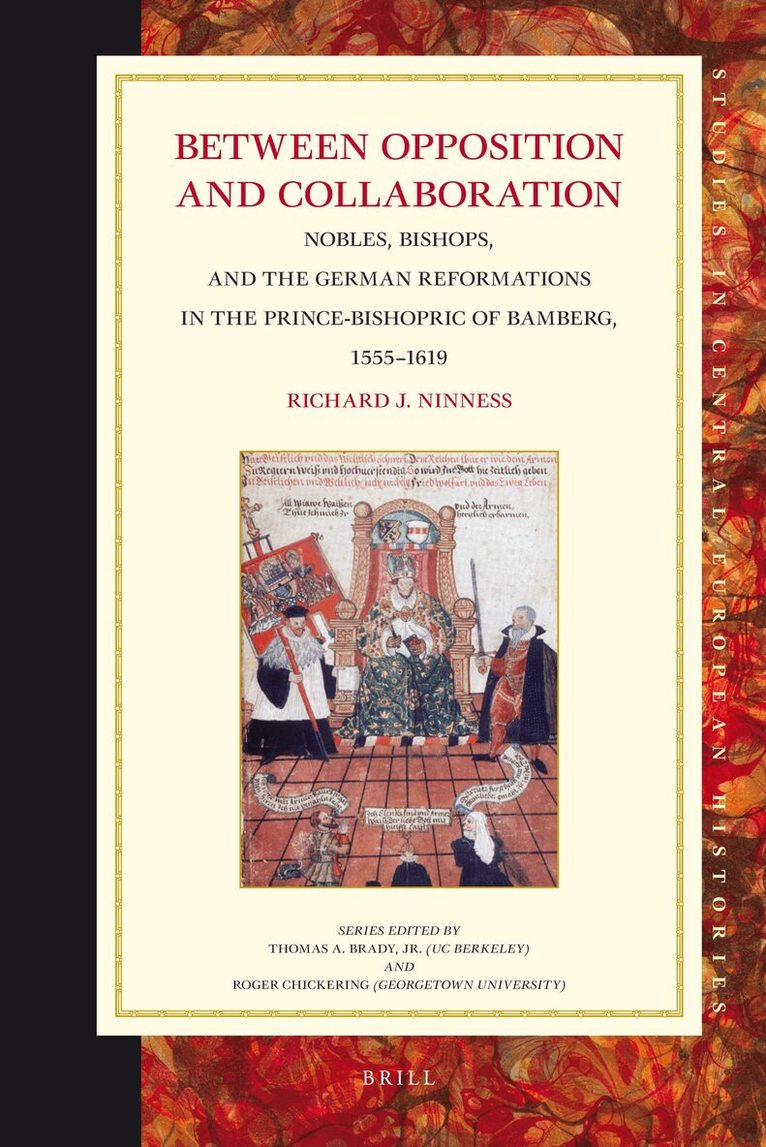
    Between Opposition and Collaboration

    Nobles, Bishops, and the German Reformations in the Prince-Bishopric of Bamberg, 1555–1619

    AvRichard Ninness

    Inbunden, Engelska, 2011

    Del 53 i serien Studies in Central European Histories

    2 368 kr

    Beställningsvara. Skickas inom 5-8 vardagar. Fri frakt över 249 kr.

    Beskrivning

    This study of the Catholic Prince-Bishopric of Bamberg and its largely Protestant aristocracy demonstrates that shared family ties and traditional privilege could reduce religious based conflict. These findings raise fundamental questions about current interpretations of the Reformation era. Prince-bishops regularly appointed Lutheran nobles to administrative positions, and those Lutheran appointees served their Catholic overlords ably and loyally. Bamberg was a center for social interaction, business transactions, and career opportunities for aristocrats. As these nobles saw it, birthright and kinship ties made them suitable for service in the prince-bishopric. Catholic leaders concurred, confessional differences notwithstanding. This study tells the complicated story of how Lutheran nobles and their Catholic relatives struggled to maintain solidarity and cooperation during an era of religious strife and animosity

    Produktinformation

    • Utgivningsdatum:2011-09-09
    • Mått:160 x 240 x 19 mm
    • Vikt:556 g
    • Format:Inbunden
    • Språk:Engelska
    • Serie:Studies in Central European Histories
    • Antal sidor:14
    • Förlag:Brill
    • ISBN:9789004201545

    Utforska kategorier

    • Europas historia inom Historia och arkeologi
    • Historia inom Historia och arkeologi

    Mer om författaren

    Richard J. Ninness, Ph.D. (2006) in History, University of Pennsylvania, is Assistant Professor at Touro College in New York City.

    Recensioner i media

    "To Ninness’s credit, he has discovered that noble, familial alliances were the true authorities of this prince-bishopric. [...] Ninness reminds us that this is a fascinating and complex moment in early modern German history, one that is well served by this fine study." – Erica Bastress-Dukeheart, in: H-HRE, H-Net Reviews, May 2013"This study, which looks at the role of the imperial knights in the governance and politics of the prince-bishopric of Bamberg in the late sixteenth century, advances our understanding of how the imperial church in particular, and the Empire more generally, responded to the challenges posed by the Reformation." – Marc R. Forster, in: German Studies Review'(GSR) 36/1 (February 2013), 167-170"This interesting story is told in an able analysis based on solid archival research." – R. Po-chia Hsia, Pennsylvania State University, in: The Journal of Ecclesiastical History 63/4 (October 2012), pp. 820-821"[H]istorical realities revealed by Ninness’s careful study of the prince-bishopric of Bamberg. Hopefully it will inspire historians to take up a similar approach for other areas of the Empire." – C. Scott Dixon, in: The Catholic Historical Review 98/3 (July 2012)

    Innehållsförteckning

    • AbbreviationsIntroduction1 Lay of the Land2 The Protestant Reformation and Aristocratic Control of Bamberg3 The Aristocratic Church and Resistance to Reform4 Protestant Officials as Agents of the Counter-Reformation5 The Counter-Reformation and the Alienation of the Imperial Knights, 1594–15996 Confession and the Limits of CooperationConclusion The Prince-Bishopric of Bamberg and the Imperial KnightsBibliographyIndex