• Fri frakt över 249 kr
  • •
  • Snabba leveranser
  • •
  • Billiga böcker
Kundservice

Du är på sajten för privatpersoner.

Företag, bibliotek eller offentlig verksamhet?

Du handlar på classic.bokus.com, där alla dina funktioner finns intakta.
Till classic.bokus.com
Bokus logotyp. Gå till startsidan.
  • Erbjudanden
  • Nyheter
  • Student
  • Topplistor
  • Barn & ungdom
  • Bokus Play
  • E-böcker
  • Pocketböcker
  • Spel & pussel

10% rabatt på allt med kod: NYSTART10 →

Sidfot

Mina sidor

    Hjälp

    • Kundservice
    • Vanliga frågor och svar
    • Frakt och leverans
    • Retur vid ångerrätt
    • Reklamera vara
    • Betalning
    • Köpvillkor
    • Allmänna villkor
    • Information om webbplatsens tillgänglighet

    Om Bokus

    • Om oss
    • Pressrum
    • För studenter
    • För företag
    • För bibliotek och offentlig verksamhet
    • För leverantörer
    • Hållbarhet

    Populärt

    • Aktuella erbjudanden
    • Presentkort
    • Studentlitteratur
    • Nya böcker
    • Topplistor
    • Signerade böcker
    • Engelska böcker

    Inspiration

    • Boktips
    • BookTok
    • Populära bokserier
    • Barnbokskaraktärer
    • Populära författare
    Logotyp för Bokus
    Följ oss på Facebook (extern länk)Följ oss på Instagram (extern länk)Följ oss på YouTube (extern länk)Följ oss på TikTok (extern länk)
    bokus @ CookiesAnpassa cookiesIntegritetspolicyKöpvillkor
    Till Citymail hemsida (extern länk)Till Budbee hemsida (extern länk)Till Postnord hemsida (extern länk)Till Schenker hemsida (extern länk)Till Early Bird hemsida (extern länk)Till Walleys hemsida (extern länk)
    1. Samhälle och politik
    2. Politik och statsskick
    3. Statsvetenskap och politisk teori

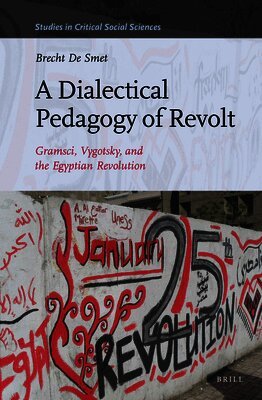
    Dialectical Pedagogy of Revolt

    Gramsci, Vygotsky, and the Egyptian Revolution

    AvBrecht De Smet

    Inbunden, Engelska, 2015

    Del 73 i serien Studies in Critical Social Sciences

    3 333 kr

    Beställningsvara. Skickas inom 3-6 vardagar. Fri frakt över 249 kr.

    Beskrivning

    In A Dialectical Pedagogy of RevoltBrecht De Smet offers an intellectual dialogue between the political theory of Italian Marxist Antonio Gramsci and the cultural psychology of Soviet thinker Lev Vygotsky within the framework of the Egyptian 25 January Revolution. Their encounter affirms the enduring need for a coherent theory of the revolutionary subject in the era of global capitalism, based on a political pedagogy of subaltern hegemony, solidarity, and reciprocal education. Investigating the political and economic lineages and outcomes of the mass uprising of Tahrir Square, De Smet discusses the emancipatory achievements and hegemonic failures of the Egyptian workers’ and civil democratic movements from the perspective of their (in)ability to construct a genuine dialectical pedagogy.

    Produktinformation

    • Utgivningsdatum:2015-01-08
    • Mått:155 x 235 x 30 mm
    • Vikt:794 g
    • Format:Inbunden
    • Språk:Engelska
    • Serie:Studies in Critical Social Sciences
    • Antal sidor:422
    • Förlag:Brill
    • ISBN:9789004262652

    Utforska kategorier

    • Statsvetenskap och politisk teori inom Samhälle och politik
    • Politisk aktivism inom Samhälle och politik

    Mer om författaren

    Brecht De Smet, Ph.D. (2012), Ghent University, is a post-doctoral researcher and lecturer at that university. He has published on Gramsci, subject formation, and the Egyptian workers’ movement, including “Revolution and Counter-Revolution in Egypt” (Science & Society 78(1), 2014).

    Innehållsförteckning

    • Foreword by Andy BlundenPrefaceAcknowledgmentsAbbreviationsIntroductionPART I: SUBJECT AND ACTIVITY1. In Want of the PeoplePeople and PopulationThe People and the Régime2. Individual and CollectiveMind and BodyTranscendental SubjectActivityCollective Subjectivity3. Concept of the SubjectGestalt, Bildung, UrphänomenFormation of Consciousness, ConceptPractical-Critical ActivitySocial Formation, Cell-Form4. Cultural-Historical Activity TheoryUnit of AnalysisLearning and DevelopmentActivity as CollaborationConclusionsPART II: SUBJECT AND STRUGGLE5. Class as SubjectPolitical and Human EmancipationThe Proletariat as SubjectActual and Logical Development6. The Modern PrinceThe Strike as Cell-FormTrade UnionismThe Economic and the PoliticalDemonstration and PartyProletarian Hegemony7. A Pedagogy of RevoltLearning and InstructionPhilosophy of PraxisIntellectuals and Assistance8. RevolutionGrowth and CrisisRevolutionThe Mass StrikeMovement, Position, Underground9. PathologiesIron Law of Oligarchy?Revolution-RestorationInadequate InstructionSubstitutionismPART III: HISTORICAL LINEAGES10. Roots of the 25 January UprisingSurprised by the ExpectedOriginal Accumulation and Extended ReproductionUneven and Combined DevelopmentPermanent Revolution11. Colonial SubjectsAt the Doorstep of CapitalismA Colonial Historical BlocDevelopment of the StrikeRevolution12. Colonial CrisisDependent DevelopmentThe Road to Trade UnionismThe Muslim BrotherhoodThe Second Wave of CommunismOrganic Crisis13. NasserismThe Nasserist InterventionEscaping ColonialismOfficers and WorkersThe Concept of NasserismA Caesarist PathologyPART IV: NEOLIBERAL CAPITALISM14. Sadat’s InfitahCrisis of NasserismCapitalist OffensiveStrikes and DemonstrationsIslamic Fascism?Crisis and Defeat15. Mubarak’s DétentePolitics of a Rentier EconomyAbsorption of the BrotherhoodAbsorption of the LeftAbsorption of the Workers16. Neoliberal War of MovementNeoliberal Counter-ReformSubordinating the SubalternSubordinating the Elites17. The Civildemocratic ProjectCrisis of the ‘Legal Left’A New LeftRise of Street PoliticsBrothers and ComradesThe End of the Political LinePART V: THE WORKERS’ MOVEMENT18. The Mahalla StrikesGhazl al-MahallaOn the OffensiveInsurrection19. Development of the StrikeSystematizationInteriorizationProjectionMahalla’s DefeatThe First Independent Trade UnionSnowball Trade Unionism20. The Strike’s IntellectualsOrganic IntellectualsA Return to ClassThe Old LeftThe New LeftMuslim BrothersJournalistsArtistsHuman Rights Activists21. Pedagogies of RevoltForms of AssistanceModes of AssistanceColonizationCommodificationSolidarityEducating the Educators22. Adequate AssistanceBoundaries of InstructionLimits of the Economic LineLimits of the Political LinePART VI: TAHRIR23. Story of an Uprising (I)The Tension MountsTunisian Prolepsis25 JanuaryKeeping the Fire GoingFriday of Anger24. Story of an Uprising (II)Gaining ConfidenceBattle of the CamelRemaining SteadfastDay of Departure25. The Activity of TahrirExtended ReproductionDemonstrationOccupationThe Whip of Counterrevolution26. the Organization of TahrirSpontaneous OrganizationTechnical AssistanceCultural InstructionLeadershipImmanence and TeleologyProjection27. The Mass StrikeWorkers as National-Popular ActorsWorkers as Class ActorsThe Economic and the Political28. Revolutionary PathologiesLack of a CenterCaesarism Again?The End of the PeopleSoviets?29. Revolution beyond TahrirFrom Cell-Form to SymbolA Civil CounterrevolutionPopular Uprising and Military CoupMany PrincesPopular or Proletarian?CONCLUSIONSPermanent Deflections of RevolutionClass Formation and Anti-ImperialismIndependent Trade UnionismNasserist DeflectionNeoliberal War of MovementUprising and DeflectionA Pedagogy of RevoltInteriorizationForms and Modes of AssistanceZone of Proximal DevelopmentA Self-Reflecting NoteReferencesInterviewsLiteratureIndex