• Fri frakt över 249 kr
  • •
  • Snabba leveranser
  • •
  • Billiga böcker
Kundservice

Du är på sajten för privatpersoner.

Företag, bibliotek eller offentlig verksamhet?

Du handlar på classic.bokus.com, där alla dina funktioner finns intakta.
Till classic.bokus.com
Bokus logotyp. Gå till startsidan.
  • Erbjudanden
  • Nyheter
  • Student
  • Topplistor
  • Barn & ungdom
  • Bokus Play
  • E-böcker
  • Pocketböcker
  • Spel & pussel

Må bättre, för mindre! Upp till 50% rabatt på hälsoböcker

Sidfot

Mina sidor

    Hjälp

    • Kundservice
    • Vanliga frågor och svar
    • Frakt och leverans
    • Retur vid ångerrätt
    • Reklamera vara
    • Betalning
    • Köpvillkor
    • Allmänna villkor
    • Information om webbplatsens tillgänglighet

    Om Bokus

    • Om oss
    • Pressrum
    • För studenter
    • För företag
    • För bibliotek och offentlig verksamhet
    • För leverantörer
    • Hållbarhet

    Populärt

    • Aktuella erbjudanden
    • Presentkort
    • Studentlitteratur
    • Nya böcker
    • Topplistor
    • Signerade böcker
    • Engelska böcker

    Inspiration

    • Boktips
    • BookTok
    • Populära bokserier
    • Barnbokskaraktärer
    • Populära författare
    Logotyp för Bokus
    Följ oss på Facebook (extern länk)Följ oss på Instagram (extern länk)Följ oss på YouTube (extern länk)Följ oss på TikTok (extern länk)
    bokus @ CookiesAnpassa cookiesIntegritetspolicyKöpvillkor
    Till Citymail hemsida (extern länk)Till Budbee hemsida (extern länk)Till Postnord hemsida (extern länk)Till Schenker hemsida (extern länk)Till Early Bird hemsida (extern länk)Till Walleys hemsida (extern länk)
    1. Kultur
    2. Konstböcker
    3. Konsthistoria

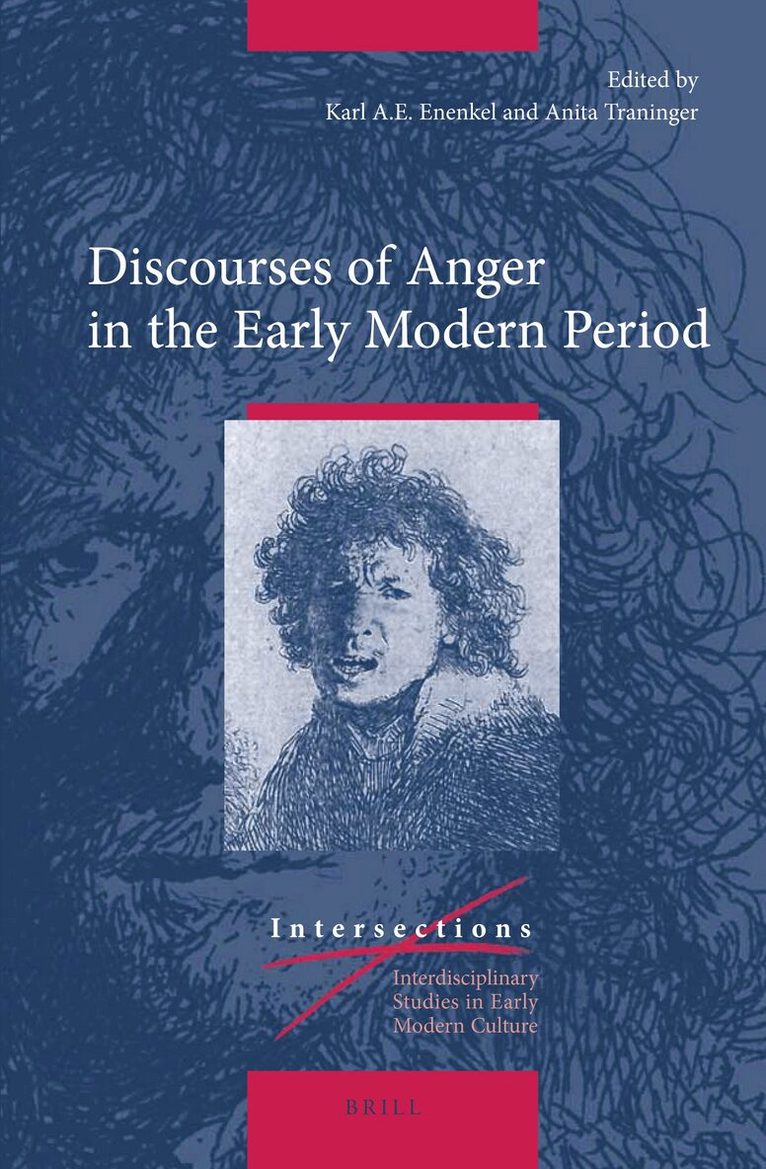
    Discourses of Anger in the Early Modern Period

    AvKarl A.E. Enenkel,Anita Traninger

    Inbunden, Engelska, 2015

    Del 40 i serien Intersections

    3 555 kr

    Beställningsvara. Skickas inom 5-8 vardagar. Fri frakt över 249 kr.

    Beskrivning

    Early modern anger is informed by fundamental paradoxes: qualified as a sin since the Middle Ages, it was still attributed a valuable function in the service of restoring social order; at the same time, the fight against one’s own anger was perceived as exceedingly difficult. And while it was seen as essential for the defence of an individual’s social position, it was at the same time considered a self-destructive force. The contributions in this volume converge in the aim of mapping out the discursive networks in which anger featured and how they all generated their own version, assessment, and semantics of anger. These discourses include philosophy and theology, poetry, medicine, law, political theory, and art.Contributors: David M. Barbee, Maria Berbara, Tamás Demeter, Jan-Frans van Dijkhuizen, Betül Dilmac, Karl Enenkel, Tilman Haug, Michael Krewet, Johannes F. Lehmann, John Nassichuk, Jan Papy, Christian Peters, Bernd Roling, Paolo Santangelo, Barbara Sasse Tateo, Anita Traninger, Jakob Willis, and Zeynep Yelçe.

    Produktinformation

    • Utgivningsdatum:2015-08-07
    • Mått:155 x 235 x 35 mm
    • Vikt:916 g
    • Format:Inbunden
    • Språk:Engelska
    • Serie:Intersections
    • Antal sidor:492
    • Förlag:Brill
    • ISBN:9789004300828

    Utforska kategorier

    • Konsthistoria inom Kultur
    • Litteraturvetenskap inom Skönlitteratur
    • Historia inom Historia och arkeologi

    Mer om författaren

    Karl Enenkel is Professor of Medieval Latin and Neo-Latin at the University of Münster. Previously he was Professor of Neo-Latin at the University of Leiden. He has published widely on international Humanism, early modern culture, paratexts, literary genres 1300-1600, Neo-Latin emblems, word and image relationships, and the history of scholarship and science.Anita Traninger is Einstein Junior Fellow at the Department of Romance Languages and Literatures at Freie Universität Berlin. Her areas of research include the history of rhetoric and dialectics, literature and discourses of knowledge in early modern Europe, and the history and theory of literary and epistemic genres.

    Recensioner i media

    “A major contribution to the reception of Stoicism […]. The variegated approach taken in this volume is indispensable for the field. As Seneca wrote about anger, there are ‘a thousand other kinds of this multiform evil’, but by contributing a number of high-quality essays that approach anger from different angles, the authors have done us a service not only for thinking about the thousands of kinds of anger in the early modern period, but for thinking about emotions in history comparatively and across disciplines as well.”Kirk Essary, The University of Western Australia. In: Emotions: History, Culture, Society, Vol.1, No.1 (2017), pp. 208-210.

    Innehållsförteckning

    • AcknowledgementsNotes on the EditorsNotes on the ContributorsList of IllustrationsIntroduction: Discourses of Anger in the Early Modern PeriodKarl A.E. Enenkel and Anita TraningerFeeling Rage: The Transformation of the Concept of Anger in Eighteenth Century GermanyJohannes F. Lehmann1. ANGER MANAGEMENT IN EARLY MODERN PHILOSOPHICAL DISCOURSESNeo-Stoicism as an Antidote for Public Violence before Lipsius’s De constantia: Johann Weyer’s (Wier’s) Therapy of Anger, De ira morbo (1577)Karl A.E. EnenkelAnger Management and the Rhetoric of Authenticity in Montaigne’s De la colèreAnita TraningerNeostoic Anger: Lipsius’s Reading and Use of Seneca’s Tragedies and De iraJan PapyDescartes’ Notion of Anger: Aspects of a Possible History of its PremisesMichael KrewetHoly Desperation and Sanctified Wrath: Anger in Puritan ThoughtDavid M. Barbee2. LEARNED DEBATES ABOUT ANGERAnger and its Limits in the Ethical Philosophy of Giovanni PontanoJohn NassichukNorthern Anger: Early Modern Debates on BerserkersBernd RolingAnger and the Unity of Philosophy: Interlocking Discourses of Natural and Moral Philosophy in the Scottish EnlightenmentTamás Demeter3. ANGER IN LITERARY DISCOURSES: EPIC AND DRAMAIustas in iras? Perspectives on Anger as a Driving Force in Neo-Latin EpicChristian PetersEpic Anger in La Gerusalemme Liberata: Rinaldo’s Irascibility and Tasso’s Allegoria della GerusalemmeBetül Dilmac‘In Zoren zu wütiger Rach’: Angry Women and Men in the German Drama of the Reformation PeriodBarbara Sasse TateoPierre Corneilles’s Cinna ou la Clémence d’Auguste (1642) in Light of Contemporary Discourses on Anger (Descartes, Le Moyne, Senault)Jakob Willis4. VISUAL REPRESENTATIONS OF ANGERVisual Representations of Medea’s Anger in the Early Modern Period: Rembrandt and RubensMaria Berbara5. ANGER IN POLITICAL DISCOURSESNegotiating with ‘Spirits of Brimstone and Salpetre’: Seventeenth Century French Political Officials and Their Practices and Representations of AngerTilman HaugNarratives of Reconciliation in Early Modern England: Between Oblivion, Clemency and ForgivenessJan-Frans van DijkhuizenTRANSCULTURAL NOTIONS OF ANGERRoyal Wrath: Curbing the Anger of the SultanN. Zeynep YelçeAnger and Rage in Traditional Chinese CulturePaolo SantangeloIndex nominum