• Fri frakt över 249 kr
  • •
  • Snabba leveranser
  • •
  • Billiga böcker
Kundservice

Du är på sajten för privatpersoner.

Företag, bibliotek eller offentlig verksamhet?

Du handlar på classic.bokus.com, där alla dina funktioner finns intakta.
Till classic.bokus.com
Bokus logotyp. Gå till startsidan.
  • Erbjudanden
  • Nyheter
  • Student
  • Topplistor
  • Barn & ungdom
  • Bokus Play
  • E-böcker
  • Pocketböcker
  • Spel & pussel

Må bättre, för mindre! Upp till 50% rabatt på hälsoböcker

Sidfot

Mina sidor

    Hjälp

    • Kundservice
    • Vanliga frågor och svar
    • Frakt och leverans
    • Retur vid ångerrätt
    • Reklamera vara
    • Betalning
    • Köpvillkor
    • Allmänna villkor
    • Information om webbplatsens tillgänglighet

    Om Bokus

    • Om oss
    • Pressrum
    • För studenter
    • För företag
    • För bibliotek och offentlig verksamhet
    • För leverantörer
    • Hållbarhet

    Populärt

    • Aktuella erbjudanden
    • Presentkort
    • Studentlitteratur
    • Nya böcker
    • Topplistor
    • Signerade böcker
    • Engelska böcker

    Inspiration

    • Boktips
    • BookTok
    • Populära bokserier
    • Barnbokskaraktärer
    • Populära författare
    Logotyp för Bokus
    Följ oss på Facebook (extern länk)Följ oss på Instagram (extern länk)Följ oss på YouTube (extern länk)Följ oss på TikTok (extern länk)
    bokus @ CookiesAnpassa cookiesIntegritetspolicyKöpvillkor
    Till Citymail hemsida (extern länk)Till Budbee hemsida (extern länk)Till Postnord hemsida (extern länk)Till Schenker hemsida (extern länk)Till Early Bird hemsida (extern länk)Till Walleys hemsida (extern länk)
    1. Kultur
    2. Konstböcker
    3. Konsthistoria

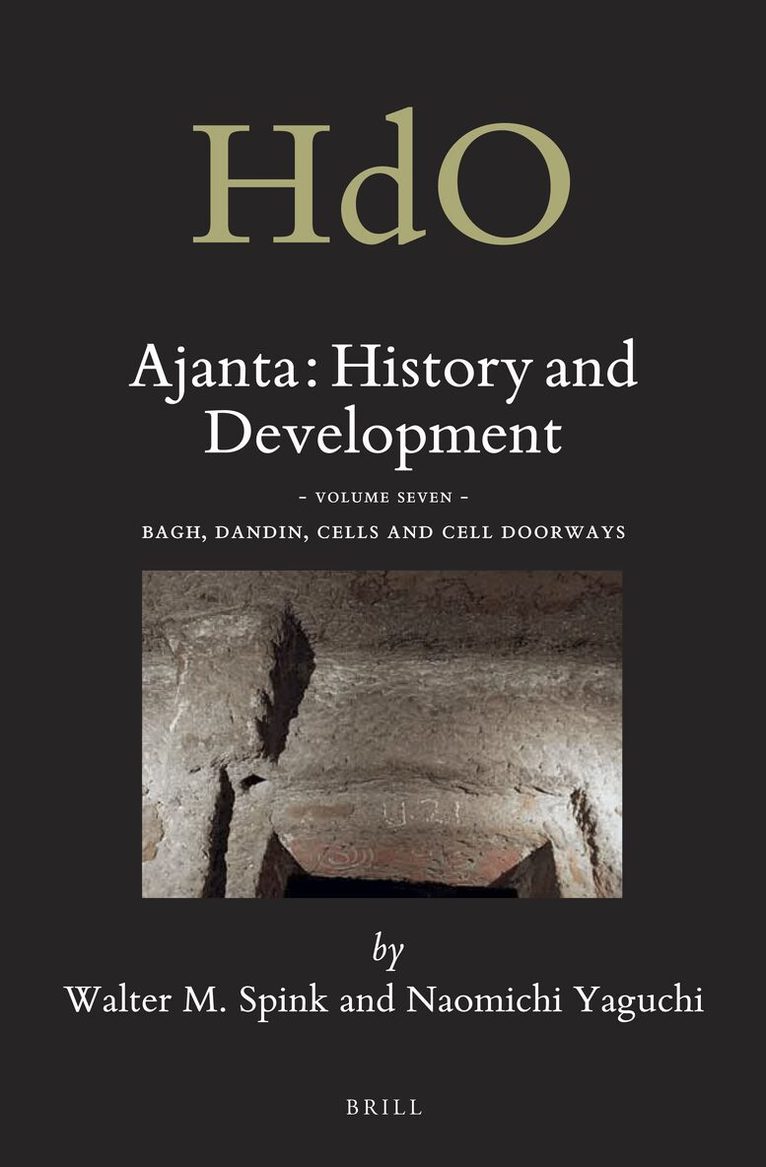
    Ajanta: History and Development, Volume 7 Bagh, Dandin, Cells and Cell Doorways

    AvWalter Spink

    Inbunden, Engelska, 2017

    Del i serien Ajanta: History and Development

    2 641 kr

    Beställningsvara. Skickas inom 5-8 vardagar. Fri frakt över 249 kr.

    Beskrivning

    Walter Spink’s intense concern with the development of the Ajanta caves and their architectural, sculptural and painted features finds its most insistent reflection in his present richly illustrated study. In part 1, Spink explains the many connections between the Bagh caves and its “sister site”, Ajanta. He particularly emphasizes the leading role that Bagh plays in establishing the “short chronology” and in the crucial matter of Buddhist shrine development from the aniconic to iconic forms of worship.In part 2, along with his colleague Professor Naomichi Yaguchi, who also provided the photographs and the newly informative plans, the authors show how, over the course of a mere decade, better and better ways were discovered to fit the doors in the cells where the monks lived. Such an analysis reveals the vigor of the conceptual and technical changes that characterize Ajanta’s evolution from its start in the early 460s to its traumatic collapse in about 470. Moving from Ajanta’s beginning to its ending, the evolution of door fittings parallels the precise and dramatic development of Indian history in the remarkable course of the emperor Harisena’s reign.

    Produktinformation

    • Utgivningsdatum:2017-02-02
    • Mått:155 x 235 x 24 mm
    • Vikt:769 g
    • Format:Inbunden
    • Språk:Engelska
    • Serie:Ajanta: History and Development
    • Antal sidor:434
    • Förlag:Brill
    • ISBN:9789004319684

    Utforska kategorier

    • Konsthistoria inom Kultur
    • Arkitekturhistoria inom Kultur

    Mer om författaren

    Walter M. Spink, Professor Emeritus of Indian Art at the University of Michigan, received his PhD from Harvard University in 1954. His chief interest has centered upon the Ajanta caves in India, where he had spent many years, with support from Bollingen, Guggenheim, Fulbright Foundations, NEH, and AIIS for his multi-volume Ajanta: History and Development (Brill).Naomichi Yaguchi, Ph.D. (1998) of Nagoya University, is Associate Professor of the School of Humanities at Kanazawa University. He has published numerous articles on mediaeval South Indian architecture and ancient Indian cave architecture, mainly in Japanese.