• Fri frakt över 249 kr
  • •
  • Snabba leveranser
  • •
  • Billiga böcker
Kundservice

Du är på sajten för privatpersoner.

Företag, bibliotek eller offentlig verksamhet?

Du handlar på classic.bokus.com, där alla dina funktioner finns intakta.
Till classic.bokus.com
Bokus logotyp. Gå till startsidan.
  • Erbjudanden
  • Nyheter
  • Student
  • Topplistor
  • Barn & ungdom
  • Bokus Play
  • E-böcker
  • Pocketböcker
  • Spel & pussel

Må bättre, för mindre! Upp till 50% rabatt på hälsoböcker

Sidfot

Mina sidor

    Hjälp

    • Kundservice
    • Vanliga frågor och svar
    • Frakt och leverans
    • Retur vid ångerrätt
    • Reklamera vara
    • Betalning
    • Köpvillkor
    • Allmänna villkor
    • Information om webbplatsens tillgänglighet

    Om Bokus

    • Om oss
    • Pressrum
    • För studenter
    • För företag
    • För bibliotek och offentlig verksamhet
    • För leverantörer
    • Hållbarhet

    Populärt

    • Aktuella erbjudanden
    • Presentkort
    • Studentlitteratur
    • Nya böcker
    • Topplistor
    • Signerade böcker
    • Engelska böcker

    Inspiration

    • Boktips
    • BookTok
    • Populära bokserier
    • Barnbokskaraktärer
    • Populära författare
    Logotyp för Bokus
    Följ oss på Facebook (extern länk)Följ oss på Instagram (extern länk)Följ oss på YouTube (extern länk)Följ oss på TikTok (extern länk)
    bokus @ CookiesAnpassa cookiesIntegritetspolicyKöpvillkor
    Till Citymail hemsida (extern länk)Till Budbee hemsida (extern länk)Till Postnord hemsida (extern länk)Till Schenker hemsida (extern länk)Till Early Bird hemsida (extern länk)Till Walleys hemsida (extern länk)
    1. Ekonomi och Ledarskap
    2. Nationalekonomi
    3. Ekonomisk politik

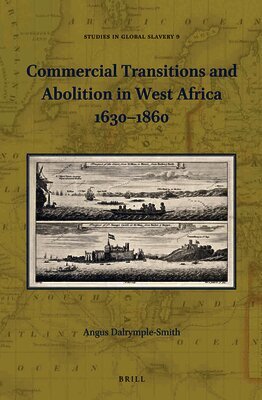
    Commercial Transitions and Abolition in West Africa 1630–1860

    AvAngus E. Dalrymple-Smith

    Inbunden, Engelska, 2019

    Del 9 i serien Studies in Global Slavery

    2 290 kr

    Beställningsvara. Skickas inom 5-8 vardagar. Fri frakt över 249 kr.

    Fler format och utgåvor

    Häftad

    860 kr

    Beskrivning

    Commercial Transitions and Abolition in West Africa 1630–1860 offers a fresh perspective on why, in the nineteenth century, the most important West African states and merchants who traded with Atlantic markets became exporters of commodities, instead of exporters of slaves. This study takes a long-term comparative approach and makes of use of new quantitative data.It argues that the timing and nature of the change from slave exports to so-called ‘legitimate commerce’ in the Gold Coast, the Bight of Biafra and the Bight of Benin, can be predicted by patterns of trade established in previous centuries by a range of African and European actors responding to the changing political and economic environments of the Atlantic world.

    Produktinformation

    • Utgivningsdatum:2019-12-19
    • Mått:155 x 235 x 18 mm
    • Vikt:591 g
    • Format:Inbunden
    • Språk:Engelska
    • Serie:Studies in Global Slavery
    • Antal sidor:278
    • Förlag:Brill
    • ISBN:9789004363458

    Utforska kategorier

    • Ekonomisk politik inom Ekonomi och Ledarskap
    • Kolonialism och imperialism inom Historia och arkeologi
    • Slaveri inom Historia och arkeologi

    Mer om författaren

    Angus Dalrymple-Smith, Ph.D (2017), Wageningen University, is a lecturer and researcher on the impact of the transatlantic slave trade on West African economies and societies in the early modern period.

    Innehållsförteckning

    • List of Figures, Maps and TablesList of AppendicesIntroduction: Historiography of the Commercial Transition1 From Slaves to ‘legitimate commerce’: Different Places, Different Times2 West African Trade with the Atlantic World3 Accounting for Regional Differences4 OrganisationPart 1Trends in the (Non-Slave) Trade with West Africa Over the Eighteenth Century1 Regional Patterns of (Non-Slave) Trade in the First Half of the Eighteenth Century1 The Commodity Trade in the Early Eighteenth Century2 Trade in Africa in the Eighteenth Century2 Commercial Agriculture and Slave Ship Provisioning 1680–1800 1 Did the Transatlantic Slave Trade Boost West African Commercial Agriculture?2 Main Results3 Changing Relative Prices and Trade Risks4 Revised Estimates of West African Food Exports, 1681–18075 Why did British Provisioning Strategies Differ and What were the Impacts on Different Regions?3 The Transatlantic Slave and Commodity Trades in the Second Half of the Eighteenth Century1 Measuring the Volume and Value of the Commodity Trade2 Real Value and Structure of West Africa’s Commodity Trade3 Regional Trade4 Market Exchange and the Slave TradePart 2The Long-Term Roots of the Commercial Transitions: Case Studies4 The Gold Coast: Gold, Wealth and Power Amongst the Akans1 Long-term Trade Contacts2 A New Interpretation of the Impact of Abolition3 Economic and Political Considerations in 18084 Gold and the Asante State5 Household Labour Decisions5 The Bight of Biafra: From Export Slavery to Slave Production1 External Trade2 The Value of the Commodity Trade and ‘comey’3 Britain and Palm Oil Trading4 Institutional Development in Biafra5 The Demand for Labour and the Internal Slave Trade6 Household Production of Palm Oil6 The Bight of Benin: Dahomey and the Dominance of Export Slavery1 Long-term Trends in Dahomey’s Trade2 Comparative Value of the Slave and Commodity Trades3 Trading Partners4 Dahomean Militarism5 Militarism and LabourConclusion 1 Long-Term Patterns of Trade2 Diverging Trajectories3 The Real Impact of Britain’s Abolition Campaign4 Implications and Future ResearchBibliography Published Contemporary SourcesSecondary SourcesOnline SourcesIndex