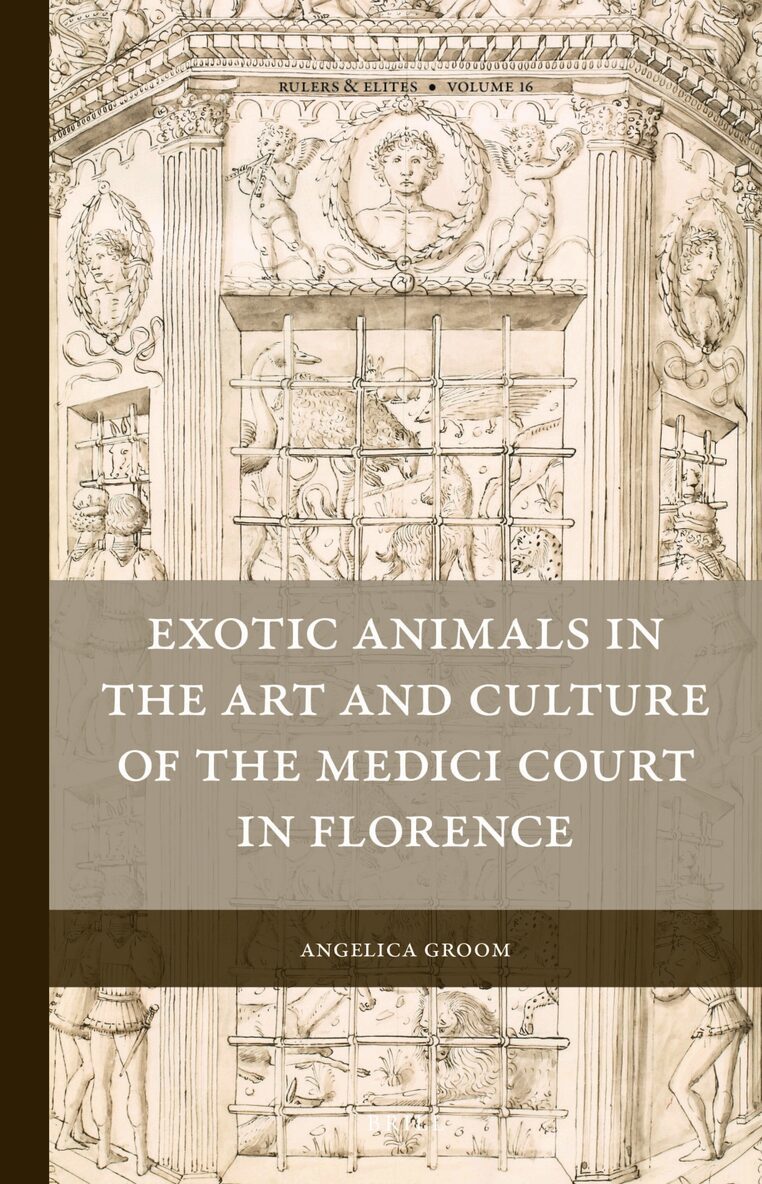
Exotic Animals in the Art and Culture of the Medici Court in Florence
2 327 kr
Beställningsvara. Skickas inom 5-8 vardagar. Fri frakt över 249 kr.
Du är på sajten för privatpersoner.
2 327 kr
Beställningsvara. Skickas inom 5-8 vardagar. Fri frakt över 249 kr.
Angelica Groom, Ph.D. (2013, University of Sussex), is senior lecturer in History of Art and Design at the University of Brighton. She has contributed chapters to edited volumes on courtly collecting and on the relationship between zoological illustrations and sixteenth-century natural history.
“What is made very clear is the highly significant and important role the collecting, ownership, and display of rare and exotic animals had for the Medici rulers of Florence. Both for this and the light it sheds on contemporary perceptions of these animals, Groom’s book is immensely valuable and rewarding.”Adriana Turpin, Society for the History of Collecting, inIsis volume 111 (2020)“Collecting exotic plants and animals from distant global markets underscored the commercial reach of the Medici family in Florence and their wide-flung networks. This well-written, carefully researched study […] belongs to a new, relevant field of study, namely that of animal studies and zoological collections, the rise of global menageries and its impact upon Renaissance art history and early modern collecting. This well-designed book is supported by a table of the Medici dynasty, useful transcriptions (Appendices 2–4) and colour illustrations.”Annemarie Jordan Gschwend, Universidade Nova de Lisboa, in Archives of Natural History (DOI: 10.3366/anh.2019.0612)"The menageries of lions, rare animal species, as well as aviaries, the author argues, were key requirements in the manifestation of princely magnificence […] The Medici practices of collecting and exchanging animals built on practices established during the Republic,when lions became an important religious and civic symbol, and helped to establish the political legitimacy of the new Medici regime […] A fascinating case study that provides new understandings of the significance of animals at the Medici court. The author has uncovered fascinating examples that will amaze readers. This richly illustrated monograph – often even in colour! – should therefore speak to a wide readership interested in both animal studies and the history of Renaissance Italy."Stefan Hanß, University of Manchester, in Nuncius, volume 34, pp 713-716“This book by Angelica Groom presents well-documented evidence of Medici self-promotion from a practical viewpoint, revealing a malevolent aspect that has been insufficiently explored. A brief overview of animal collections and menageries, established by Asian and European sovereigns, introduces the Medici collections “in relation to a wider global phenomenon of cultural activities centered on animals. […] This book is recommended for those interested in Medici history, animal collecting, menageries, hunting, animal exploitation, spectacles, and imagery.” Simona Cohen, Tel Aviv University, in Medici Renaissance Quarterly volume 73, issue 4. (DOI: 10.1017/rqx.2020.238)
Nadine Akkerman
Inbunden, 2013
3 286 kr
Neil Murphy
Inbunden, 2016
2 774 kr
Maaike van Berkel, Jeroen Duindam
Inbunden, 2018
3 233 kr
Peter Edwards, Elspeth Graham
Inbunden, 2016
2 927 kr
Bram van Leuveren
Inbunden, 2023
2 004 kr
Peter Edwards, Elspeth Graham
Inbunden, 2016
2 927 kr
Jo Van Steenbergen
Inbunden, 2020
2 366 kr
Du är på sajten för privatpersoner.
2 327 kr
Beställningsvara. Skickas inom 5-8 vardagar. Fri frakt över 249 kr.
Angelica Groom, Ph.D. (2013, University of Sussex), is senior lecturer in History of Art and Design at the University of Brighton. She has contributed chapters to edited volumes on courtly collecting and on the relationship between zoological illustrations and sixteenth-century natural history.
“What is made very clear is the highly significant and important role the collecting, ownership, and display of rare and exotic animals had for the Medici rulers of Florence. Both for this and the light it sheds on contemporary perceptions of these animals, Groom’s book is immensely valuable and rewarding.”Adriana Turpin, Society for the History of Collecting, inIsis volume 111 (2020)“Collecting exotic plants and animals from distant global markets underscored the commercial reach of the Medici family in Florence and their wide-flung networks. This well-written, carefully researched study […] belongs to a new, relevant field of study, namely that of animal studies and zoological collections, the rise of global menageries and its impact upon Renaissance art history and early modern collecting. This well-designed book is supported by a table of the Medici dynasty, useful transcriptions (Appendices 2–4) and colour illustrations.”Annemarie Jordan Gschwend, Universidade Nova de Lisboa, in Archives of Natural History (DOI: 10.3366/anh.2019.0612)"The menageries of lions, rare animal species, as well as aviaries, the author argues, were key requirements in the manifestation of princely magnificence […] The Medici practices of collecting and exchanging animals built on practices established during the Republic,when lions became an important religious and civic symbol, and helped to establish the political legitimacy of the new Medici regime […] A fascinating case study that provides new understandings of the significance of animals at the Medici court. The author has uncovered fascinating examples that will amaze readers. This richly illustrated monograph – often even in colour! – should therefore speak to a wide readership interested in both animal studies and the history of Renaissance Italy."Stefan Hanß, University of Manchester, in Nuncius, volume 34, pp 713-716“This book by Angelica Groom presents well-documented evidence of Medici self-promotion from a practical viewpoint, revealing a malevolent aspect that has been insufficiently explored. A brief overview of animal collections and menageries, established by Asian and European sovereigns, introduces the Medici collections “in relation to a wider global phenomenon of cultural activities centered on animals. […] This book is recommended for those interested in Medici history, animal collecting, menageries, hunting, animal exploitation, spectacles, and imagery.” Simona Cohen, Tel Aviv University, in Medici Renaissance Quarterly volume 73, issue 4. (DOI: 10.1017/rqx.2020.238)
Nadine Akkerman
Inbunden, 2013
3 286 kr
Neil Murphy
Inbunden, 2016
2 774 kr
Maaike van Berkel, Jeroen Duindam
Inbunden, 2018
3 233 kr
Peter Edwards, Elspeth Graham
Inbunden, 2016
2 927 kr
Bram van Leuveren
Inbunden, 2023
2 004 kr
Peter Edwards, Elspeth Graham
Inbunden, 2016
2 927 kr
Jo Van Steenbergen
Inbunden, 2020
2 366 kr