• Fri frakt över 249 kr
  • •
  • Snabba leveranser
  • •
  • Billiga böcker
Kundservice

Du är på sajten för privatpersoner.

Företag, bibliotek eller offentlig verksamhet?

Du handlar på classic.bokus.com, där alla dina funktioner finns intakta.
Till classic.bokus.com
Bokus logotyp. Gå till startsidan.
  • Erbjudanden
  • Nyheter
  • Student
  • Topplistor
  • Barn & ungdom
  • Bokus Play
  • E-böcker
  • Pocketböcker
  • Spel & pussel

10% rabatt på allt med kod: NYSTART10 →

Sidfot

Mina sidor

    Hjälp

    • Kundservice
    • Vanliga frågor och svar
    • Frakt och leverans
    • Retur vid ångerrätt
    • Reklamera vara
    • Betalning
    • Köpvillkor
    • Allmänna villkor
    • Information om webbplatsens tillgänglighet

    Om Bokus

    • Om oss
    • Pressrum
    • För studenter
    • För företag
    • För bibliotek och offentlig verksamhet
    • För leverantörer
    • Hållbarhet

    Populärt

    • Aktuella erbjudanden
    • Presentkort
    • Studentlitteratur
    • Nya böcker
    • Topplistor
    • Signerade böcker
    • Engelska böcker

    Inspiration

    • Boktips
    • BookTok
    • Populära bokserier
    • Barnbokskaraktärer
    • Populära författare
    Logotyp för Bokus
    Följ oss på Facebook (extern länk)Följ oss på Instagram (extern länk)Följ oss på YouTube (extern länk)Följ oss på TikTok (extern länk)
    bokus @ CookiesAnpassa cookiesIntegritetspolicyKöpvillkor
    Till Citymail hemsida (extern länk)Till Budbee hemsida (extern länk)Till Postnord hemsida (extern länk)Till Schenker hemsida (extern länk)Till Early Bird hemsida (extern länk)Till Walleys hemsida (extern länk)
    1. Medicin
    2. Medicin: allmänt
    3. Samhällsmedicin och preventiv medicin
    4. Folkhälsa och hälsopedagogik

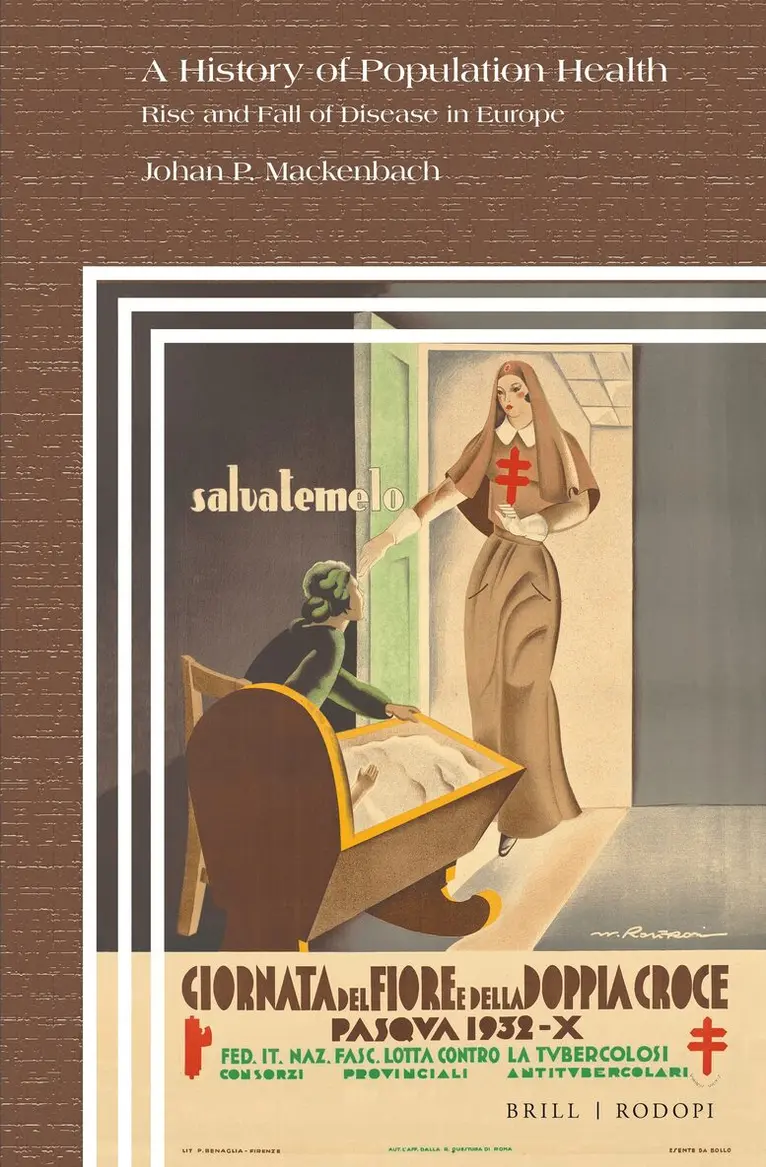
    History of Population Health

    Rise and Fall of Disease in Europe

    AvJohan P. Mackenbach

    Inbunden, Engelska, 2020

    Del 101 i serien Clio Medica

    2 511 kr

    Beställningsvara. Skickas inom 5-8 vardagar. Fri frakt över 249 kr.

    Beskrivning

    Winner of the 2021 Choice Outstanding Academic Title AwardIn A History of Population Health Johan P. Mackenbach offers a broad-sweeping study of the spectacular changes in people’s health in Europe since the early 18th century. Most of the 40 specific diseases covered in this book show a fascinating pattern of ‘rise-and-fall’, with large differences in timing between countries. Using a unique collection of historical data and bringing together insights from demography, economics, sociology, political science, medicine, epidemiology and general history, it shows that these changes and variations did not occur spontaneously, but were mostly man-made. Throughout European history, changes in health and longevity were therefore closely related to economic, social, and political conditions, with public health and medical care both making important contributions to population health improvement.Readers who would like to have a closer look at the quantitative data used in the trend graphs included in the book can find these it here.

    Produktinformation

    • Utgivningsdatum:2020-05-23
    • Mått:155 x 235 x 24 mm
    • Vikt:882 g
    • Format:Inbunden
    • Språk:Engelska
    • Serie:Clio Medica
    • Antal sidor:430
    • Förlag:Brill
    • ISBN:9789004425828

    Utforska kategorier

    • Folkhälsa och hälsopedagogik inom Medicin
    • Medicinhistoria inom Medicin

    Mer om författaren

    Johan P. Mackenbach is Professor of Public Health at Erasmus MC, Rotterdam, The Netherlands. He is a member of the Royal Netherlands Academy of Sciences and the Academia Europaea, and has published widely on contemporary and historical health issues.

    Recensioner i media

    "[...] strengths of this excellent book include its meticulous and extensive documentation, transparent discussion of what data is and is not available, analysis of prevailing theoretical explanations, use of supplementary tables, and Mackenbach's clear and compelling writing." - M.D. Lagerwey, Western Michigan University, in: Choice, February 2021 Vol. 58 No. 6"Mackenbach’s longue durée, Braudel-inspired, and erudite book wades into scholarly territory that will be familiar to readers of Journal of British Studies. […] Mackenbach’s book will provide an important starting point for future research on the role of politics and public health in curbing COVID-19." - Jacob Steere-Williams, College of Charleston, South Carolina, in: Journal of British Studies, Vol. 60 (3), 2021, pp. 746-748

    Innehållsförteckning

    • PrefaceList of illustrationsChapter 1. IntroductionUtopia come true? Rising life expectancyThe rise and fall of diseaseThe epidemiologic transition theoryThe McKeown debate and the Preston-curveThe role of human agency&;How to read this bookConcepts, sources, data and methodsPART I. LONG-TERM TRENDS: A BIRD’S EYE VIEWChapter 2. Long-term trends in population healthChanges in over-all population healthDeclining mortalityYoung and old, men and womenRegional and social inequalitiesRising heightMore years in good health, more years in bad health? Changes in disease patternsShifting causes of deathShifts in the burden of diseaseDiseases rise, diseases fallEpidemiologic transition 2.0A theory in need of repairHow: characterizing changeWhen: staging changeWhere: locating changeChapter 3. Understanding trends in population healthTheories of population healthAn ‘ecological-evolutionary theory’ of the origins of diseaseExplaining long-term changeEconomic, political and sociocultural conditionsEconomic history: improvements in living standardsPolitical history: the rise of the modern stateSociocultural history: the lights go onPublic health and medical careA short history of public healthThe impact of public healthA short history of medical careThe Role of MedicinePART II. ZOOMING IN: THE RISE AND FALL OF DISEASESChapter 4. Health problems of pre-industrial societiesViolence and hungerWarHomicideFamineGreat epidemicsPlagueSmallpoxTyphusMalariaChapter 5. Health problems of industrializing societiesCommunicable diseasesCholera, dysentery, typhoidTuberculosisSyphilisScarlet fever, measles, whooping cough, diphtheriaPneumonia, influenzaMaternal, infant and perinatal mortalityMaternal mortalityInfant mortalityStill-birthsOther health problems of industrializing societiesPellagra, rickets, goitrePeptic ulcer, appendicitisLung diseases caused by occupational and environmental exposuresChapter 6. Health problems of affluent societiesChronic diseasesIschaemic heart diseaseCerebrovascular diseaseDiabetes mellitusStomach, colorectal, breast, prostate cancerLung cancerLiver cirrhosisDementiaDepressionInjuriesRoad traffic injuriesSuicideA new plagueAIDSPART III: SYNTHESIS AND OUTLOOKChapter 7. Why? Why did European population health improve? The rise and fall of diseaseThe role of human agencyThe role of public health and medical careThe Rise of the West: was there a ‘prime mover’? Why did some countries rush ahead or lag behind? Northern lights: the Swedish advantageDutch comfort: we were the championsSouthern miracles: from rear-guard to forefrontBalkan troubles: the weight of the pastRussian roulette: the value of lifeChapter 8. OutlookFeathers of IcarusGeopolitical instabilityIncreasing inequalityGlobal environmental changeThe way aheadThe public health paradigmAn expanding circle of concernRe-thinking UtopiaBy way of conclusionThrough the telescope of historyThe European experienceThe role of politicsThe futureAppendicesBibliographyIndex