• Fri frakt över 249 kr
  • •
  • Snabba leveranser
  • •
  • Billiga böcker
Kundservice

Du är på sajten för privatpersoner.

Företag, bibliotek eller offentlig verksamhet?

Du handlar på classic.bokus.com, där alla dina funktioner finns intakta.
Till classic.bokus.com
Bokus logotyp. Gå till startsidan.
  • Erbjudanden
  • Nyheter
  • Student
  • Topplistor
  • Barn & ungdom
  • Bokus Play
  • E-böcker
  • Pocketböcker
  • Spel & pussel

10% studentrabatt med kod TERM26

Sidfot

Mina sidor

    Hjälp

    • Kundservice
    • Vanliga frågor och svar
    • Frakt och leverans
    • Retur vid ångerrätt
    • Reklamera vara
    • Betalning
    • Köpvillkor
    • Allmänna villkor
    • Information om webbplatsens tillgänglighet

    Om Bokus

    • Om oss
    • Pressrum
    • För studenter
    • För företag
    • För bibliotek och offentlig verksamhet
    • För leverantörer
    • Hållbarhet

    Populärt

    • Aktuella erbjudanden
    • Presentkort
    • Studentlitteratur
    • Nya böcker
    • Topplistor
    • Signerade böcker
    • Engelska böcker

    Inspiration

    • Boktips
    • BookTok
    • Populära bokserier
    • Barnbokskaraktärer
    • Populära författare
    Logotyp för Bokus
    Följ oss på Facebook (extern länk)Följ oss på Instagram (extern länk)Följ oss på YouTube (extern länk)Följ oss på TikTok (extern länk)
    bokus @ CookiesAnpassa cookiesIntegritetspolicyKöpvillkor
    Till Citymail hemsida (extern länk)Till Budbee hemsida (extern länk)Till Postnord hemsida (extern länk)Till Schenker hemsida (extern länk)Till Early Bird hemsida (extern länk)Till Walleys hemsida (extern länk)
    1. Historia och arkeologi
    2. Arkeologi
    3. Arkeologiska perioder och områden

    Moving in the Margins: Desert Travel and Power in Medieval Central Asia

    AvPaul D. Wordsworth

    Inbunden, Engelska, 2024

    Del 32 i serien Handbook of Oriental Studies. Section 8 Uralic & Central Asian Studies

    2 065 kr

    Beställningsvara. Skickas inom 5-8 vardagar. Fri frakt över 249 kr.

    Beskrivning

    Central Asia has been perceived as a landscape of connections, of Silk Roads; an endless plain across which waves of conquerors swiftly rode on horseback. In reality the region is highly fragmented and difficult to traverse, and overcoming these obstacles led to routes becoming associated with epic travel and high-value trade. Put simply, the inhabitants of these lands became experts in the art of travelling the margins.This volume seeks to unravel some of the myths of long-distance roads in Central Asia, using a desert case-study to put forward a new hypothesis for how medieval landscapes were controlled and manipulated.

    Produktinformation

    • Utgivningsdatum:2024-09-26
    • Mått:155 x 235 x 29 mm
    • Vikt:735 g
    • Format:Inbunden
    • Språk:Engelska
    • Serie:Handbook of Oriental Studies. Section 8 Uralic & Central Asian Studies
    • Antal sidor:352
    • Förlag:Brill
    • ISBN:9789004534872

    Utforska kategorier

    • Arkeologiska perioder och områden inom Historia och arkeologi

    Mer om författaren

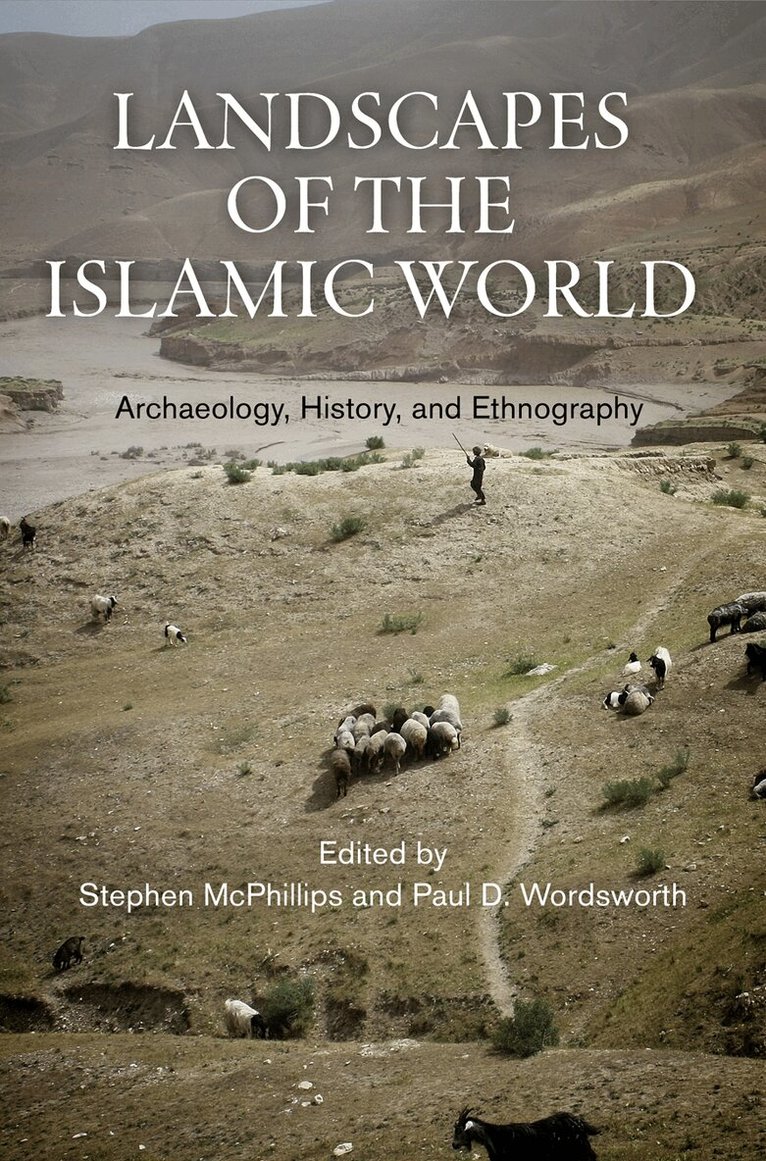
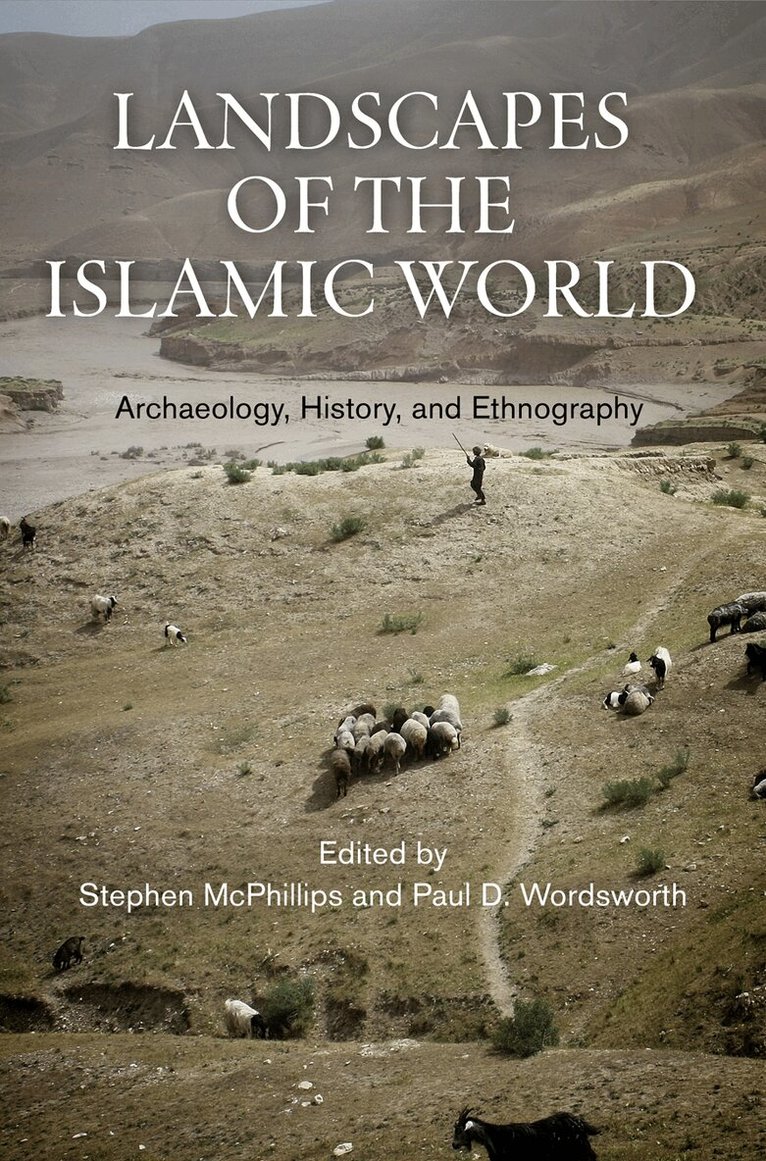
    Paul D. Wordsworth, Ph.D. (2015), University of Copenhagen, is Lecturer in Silk Roads Archaeology and Heritage at University College, London. He has published on diverse aspects of the archaeology of Islamic Central Asia and the Caucasus, also co-editing the volume Landscapes of the Islamic World (Princeton, 2015).

    Innehållsförteckning

    • ContentsAcknowledgementsList of Figures and TablesNotes on Transliteration, Transcription, and Dates in the Text1 Introduction1 Questions for Understanding Movement2 The Layout of this Volume3 Travel, Routes, Power, and Boundaries2 Traditions of Travel and the Origins of Road Networks in the Eastern Islamic World1 Pre-Islamic Travel and Trade in Central Asia2 Approaching Late Antiquity3 The Arrival of Islam in Khurasan and Transoxania, and the Establishment of Routes across the Karakum Desert4 Beyond the Medieval Period3 Black Sands: the Landscape of the Karakum Past and Present1 Physical Geography2 Climate3 Flora4 Water5 Surveying the Karakum Landscape6 Further Analysis4 Defining the Architecture of Desert Travel1 Large Architectural Remains: ‘Caravanserai’, ‘Khān’, or ‘Ribāṭ’?2 Smaller Architectural Sites: Towers to Sardobas3 The Built Remains as a Corpus5 Moving Material Culture1 Ceramic Forms2 Unglazed Ceramic Wares3 Glazed Ceramics4 Ceramics as a Chronological Indicator5 Ceramics as a Functional Indicator6 Ceramic Distribution and the Origins of Wares7 Stone8 Semi-precious Stones9 Glass10 Metal6 Modelling Landscapes of Movement1 A GIS Approach to Pathways2 Friction and Cost Surfaces3 The Lure of Water – Weighted Analyses4 Visible Tracks – Remote Sensing and Digitization5 Historical Cartographic Comparisons6 Material Comparisons – How Does the Survey Support the Geographical Modelling and Cartographic Evidence?7 Paths, Chronology, and Movement in the Desert7 Rethinking Routes – from Roads of Silk to the Threads of Networks1 Securing Travellers2 Sustaining Travellers3 Controlling Travellers: Power, Ideology, and Desert Travel4 A Model of Travel Peculiar to Deserts? Particular to the Islamic World?5 ConclusionsGlossaryBibliographyIndex