• Fri frakt över 249 kr
  • •
  • Snabba leveranser
  • •
  • Billiga böcker
Kundservice

Du är på sajten för privatpersoner.

Företag, bibliotek eller offentlig verksamhet?

Du handlar på classic.bokus.com, där alla dina funktioner finns intakta.
Till classic.bokus.com
Bokus logotyp. Gå till startsidan.
  • Erbjudanden
  • Nyheter
  • Student
  • Topplistor
  • Barn & ungdom
  • Bokus Play
  • E-böcker
  • Pocketböcker
  • Spel & pussel

10% rabatt på allt med kod: NYSTART10 →

Sidfot

Mina sidor

    Hjälp

    • Kundservice
    • Vanliga frågor och svar
    • Frakt och leverans
    • Retur vid ångerrätt
    • Reklamera vara
    • Betalning
    • Köpvillkor
    • Allmänna villkor
    • Information om webbplatsens tillgänglighet

    Om Bokus

    • Om oss
    • Pressrum
    • För studenter
    • För företag
    • För bibliotek och offentlig verksamhet
    • För leverantörer
    • Hållbarhet

    Populärt

    • Aktuella erbjudanden
    • Presentkort
    • Studentlitteratur
    • Nya böcker
    • Topplistor
    • Signerade böcker
    • Engelska böcker

    Inspiration

    • Boktips
    • BookTok
    • Populära bokserier
    • Barnbokskaraktärer
    • Populära författare
    Logotyp för Bokus
    Följ oss på Facebook (extern länk)Följ oss på Instagram (extern länk)Följ oss på YouTube (extern länk)Följ oss på TikTok (extern länk)
    bokus @ CookiesAnpassa cookiesIntegritetspolicyKöpvillkor
    Till Citymail hemsida (extern länk)Till Budbee hemsida (extern länk)Till Postnord hemsida (extern länk)Till Schenker hemsida (extern länk)Till Early Bird hemsida (extern länk)Till Walleys hemsida (extern länk)
    1. Filosofi och religion
    2. Religion och tro
    3. Religion: allmänt

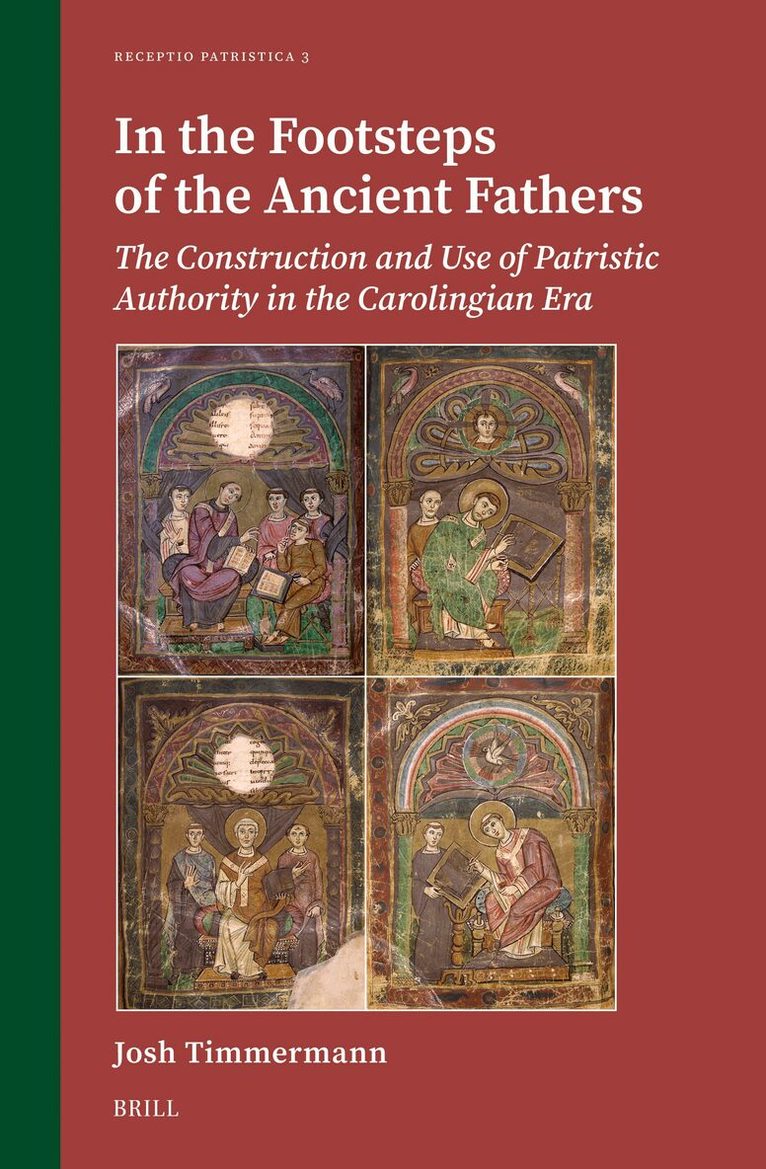
    In the Footsteps of the Ancient Fathers

    The Construction and Use of Patristic Authority in the Carolingian Era

    AvJosh Timmermann

    Inbunden, Engelska, 2025

    Del 3 i serien Receptio Patristica

    2 174 kr

    Beställningsvara. Skickas inom 3-6 vardagar. Fri frakt över 249 kr.

    Beskrivning

    This book traces the categorical construction and discursive employment of the Church Fathers across a variety of textual genres and contexts during the Carolingian era. This study shows that Carolingian intellectual culture was imbued with a distinctive sense of ‘progress toward the past,’ bolstered by texts associating the Church Fathers with the perceived harmony and continuity of the ancient Christian tradition across time and space. The new Christian ‘Roman’ empire that the Carolingians sought to create, reform, and ultimately perfect was fundamentally rooted in a certain idealized vision of ancient Christianity and the Church Fathers as a special type of timeless, transdiscursive authority.

    Produktinformation

    • Utgivningsdatum:2025-06-12
    • Mått:155 x 235 x 28 mm
    • Vikt:712 g
    • Format:Inbunden
    • Språk:Engelska, Latin
    • Serie:Receptio Patristica
    • Antal sidor:338
    • Förlag:Brill
    • ISBN:9789004690264

    Utforska kategorier

    • Religion: allmänt inom Filosofi och religion
    • Biblar inom Filosofi och religion

    Mer om författaren

    Josh Timmermann, Ph.D. (2021), University of British Columbia, teaches courses in History at the University of British Columbia in Vancouver, Canada. His publications include studies of the early medieval reception of Augustine of Hippo and Julianus Pomerius.

    Innehållsförteckning

    • AcknowledgmentsList of IllustrationsAbbreviationsEditorial NoteIntroduction: The Carolingians and the Christian Past(s)1 Constructing Christian ‘Tradition’ and ‘Orthodoxy’2 Carolingian Reform and Renewal3 The Uses of the Resources of the Past1 Verba, Vitae, Vestigia: On ‘Illustrious Men’, Their Books, and Their Lives1 Introduction: doctor mundi2 Teacher(s) of the World3 In veterum vestigia patrum4 Toward ‘Christian literature’: Jerome’s De viris illustribus and Its Continuations by Gennadius of Marseille and Isidore of Seville5 Alcuin of York, Versus de patribus regibus et sanctis Euboricensis6 Reading, Writing, and the Poetic Past7 Notker Balbulus, Notatio de illustribus viris8 Exemplary vitae, Eloquent verba9 Possidius’s Vita Augustini and Other Textual Lives of the Fathers10 Carolingian Lives: Boniface of Mainz and Adalhard of Corbie11 Radbertus as Jerome? The Cogitis me12 Conclusion2 Redeeming the Time: Exegetical Strategies from Tyconius and Augustine to The Carolingians1 Introduction: How Soon is ‘Now’?2 The ‘Messianic’ Eschatology of the Pauline Letters3 Christianity and the pax Romana4 Tyconius: Rules, ‘Keys’, Possibilities5 Tyconian Influences on Augustine’s Thought and Work6 A More Proximate Influence for Carolingian Exegesis: The ‘Venerable’ Bede7 Alcuin of York on Paul and the Apocalypse8 Smaragdus of Saint-Mihiel, Liber comitis9 Claudius of Turin’s Commentaries on the Pauline Epistles10 Hrabanus Maurus’s Commentaries on the Pauline Epistles11 Haimo of Auxerre on Paul and the Apocalypse12 Sedulius Scottus’s Commentaries on the Pauline Epistles13 Florus of Lyon, Expositio in epistolas Beati Pauli ex operibus Sancti Augustini14 Conclusion3 In Search of Lost Time(s): Augustine’s De Civitate Dei as a Source for Knowledge of Ancient History in the Carolingian Era1 Introduction: Historia and tempora Christiana2 Reading and Writing about the Past in the Early Middle Ages3 Studying and Using the De civitate Dei: The Evidence of Carolingian Manuscripts4 On the Borders of the City of God: Ninth-century Annotations on the De civitate Dei5 Capitula libri XVIII6 Fashioning Useable Augustines7 Harmonious historiae: Frechulf’s Universal History and Its Late Antique Sources8 Frechulf of Lisieux, the De civitate Dei, and the veritas historiae9 Conclusion: Everything is Uncertain?4 Progress Toward the Past? Antiquity, Orthodoxy, and Consensus among Authorities in the Carolingian Reformatio1 Introduction: ‘Everywhere, always, and by everybody’?2 ‘Maintaining a position about halfway between the ancient and the modern’3 In Search of Ancient, Roman Tradition: Amalarius of Metz’s Liber officialis4 Historicising Difference: Walafrid Strabo’s De exordiis et incrementis5 Two Senses of Carolingian ‘Reform’6 Shaping and Using ‘The Fathers’ as a Unified Source of Authority: Evidence from Church CouncilsConclusion: Reformatio, Renovatio…nonne tertium quid?BibliographyIndex of Names