• Fri frakt över 249 kr
  • •
  • Snabba leveranser
  • •
  • Billiga böcker
Kundservice

Du är på sajten för privatpersoner.

Företag, bibliotek eller offentlig verksamhet?

Du handlar på classic.bokus.com, där alla dina funktioner finns intakta.
Till classic.bokus.com
Bokus logotyp. Gå till startsidan.
  • Erbjudanden
  • Nyheter
  • Student
  • Topplistor
  • Barn & ungdom
  • Bokus Play
  • E-böcker
  • Pocketböcker
  • Spel & pussel

10% rabatt på allt med kod: NYSTART10 →

Sidfot

Mina sidor

    Hjälp

    • Kundservice
    • Vanliga frågor och svar
    • Frakt och leverans
    • Retur vid ångerrätt
    • Reklamera vara
    • Betalning
    • Köpvillkor
    • Allmänna villkor
    • Information om webbplatsens tillgänglighet

    Om Bokus

    • Om oss
    • Pressrum
    • För studenter
    • För företag
    • För bibliotek och offentlig verksamhet
    • För leverantörer
    • Hållbarhet

    Populärt

    • Aktuella erbjudanden
    • Presentkort
    • Studentlitteratur
    • Nya böcker
    • Topplistor
    • Signerade böcker
    • Engelska böcker

    Inspiration

    • Boktips
    • BookTok
    • Populära bokserier
    • Barnbokskaraktärer
    • Populära författare
    Logotyp för Bokus
    Följ oss på Facebook (extern länk)Följ oss på Instagram (extern länk)Följ oss på YouTube (extern länk)Följ oss på TikTok (extern länk)
    bokus @ CookiesAnpassa cookiesIntegritetspolicyKöpvillkor
    Till Citymail hemsida (extern länk)Till Budbee hemsida (extern länk)Till Postnord hemsida (extern länk)Till Schenker hemsida (extern länk)Till Early Bird hemsida (extern länk)Till Walleys hemsida (extern länk)
    1. Kultur
    2. Konstböcker
    3. Konsthistoria

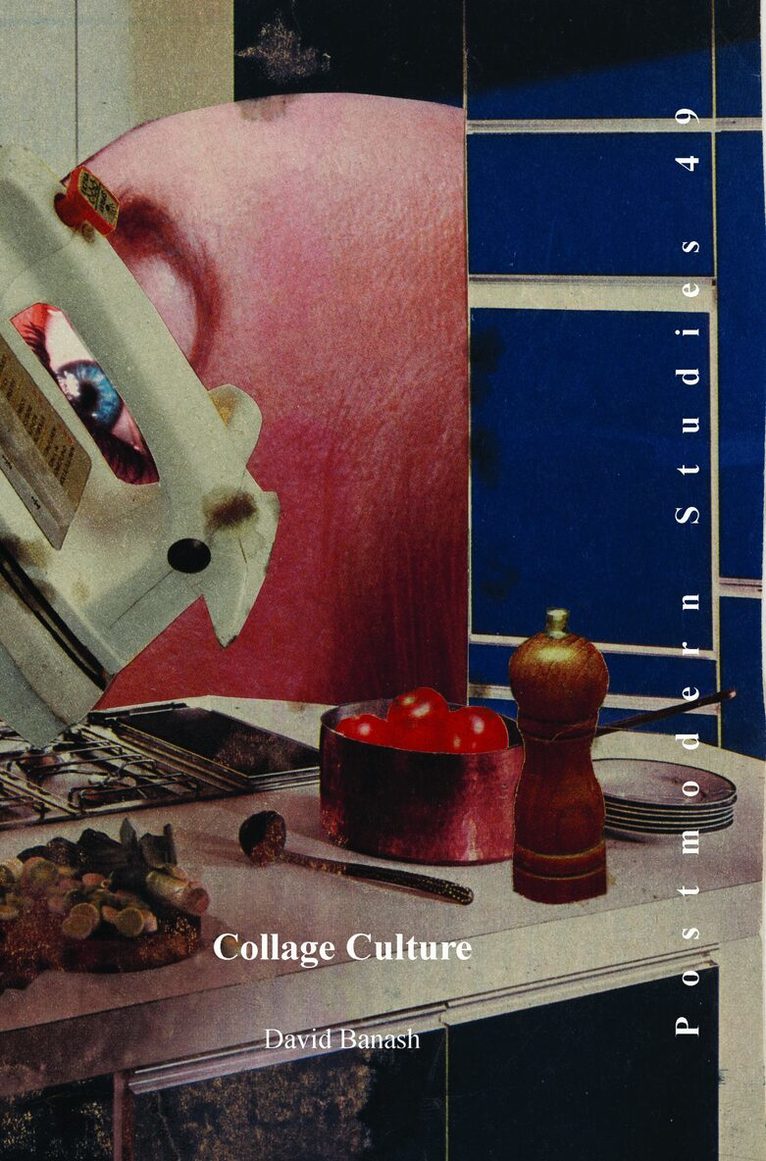
    Collage Culture

    Readymades, Meaning, and the Age of Consumption

    AvDavid Banash

    Häftad, Engelska, 2013

    Del 49 i serien Postmodern Studies

    1 744 kr

    Beställningsvara. Skickas inom 5-8 vardagar. Fri frakt över 249 kr.

    Beskrivning

    Collage Culture develops a comprehensive theory of the origins and meanings of collage and readymades in modern and postmodern art, literature, and everyday life. Demonstrating that the origins of collage are found in assembly line technologies and mass media forms of layout and advertising in early twentieth-century newspapers, Collage Culture traces how the historical avant-garde turns the fragmentation of Fordist production against nationalist, fascist, and capitalist ideologies, using the radical potential unleashed by new technologies to produce critical collages.David Banash adeptly surveys the reinvention of collage by a generation of postmodern artists who develop new forms including cut-ups, sampling, zines, plagiarism, and copying to cope with the banalities and demands of consumer culture. Banash argues that collage mirrors the profoundly dialectical relations between the cut of assembly lines and the readymades of consumerism even as its cutting-edges move against the imperatives of passive consumption and disposability instituted by those technologies, forms, and relations.Collage Culture surveys and analyzes works of advertising, assemblage, film, literature, music, painting, and photography from the historical avant-garde to the most recent developments of postmodernism.

    Produktinformation

    • Utgivningsdatum:2013-01-01
    • Mått:155 x 235 x 16 mm
    • Vikt:489 g
    • Format:Häftad
    • Språk:Engelska
    • Serie:Postmodern Studies
    • Antal sidor:320
    • Förlag:Brill
    • ISBN:9789042036819

    Utforska kategorier

    • Konsthistoria inom Kultur
    • Konstteori inom Kultur
    • Socialhistoria och kulturhistoria inom Historia och arkeologi

    Recensioner i media

    The Design Observer published an interview with David Banash on Collage Culture – an inspiring introduction to the book.

    Innehållsförteckning

    • AcknowledgmentsIntroductionFragments: Production, Consumption, and the ReadymadeInvention: Newspapers, Advertising, and the Origins of CollageCritique: Collage and the Politics of the CutNostalgia: Collage, Collecting and the PasteGleaning: Everyday Life in Collage CultureConclusion: From the Twentieth-Century’s Cutting Edge to the Twenty-First-Century CopyNotesBibliographyImage CreditsIndex