
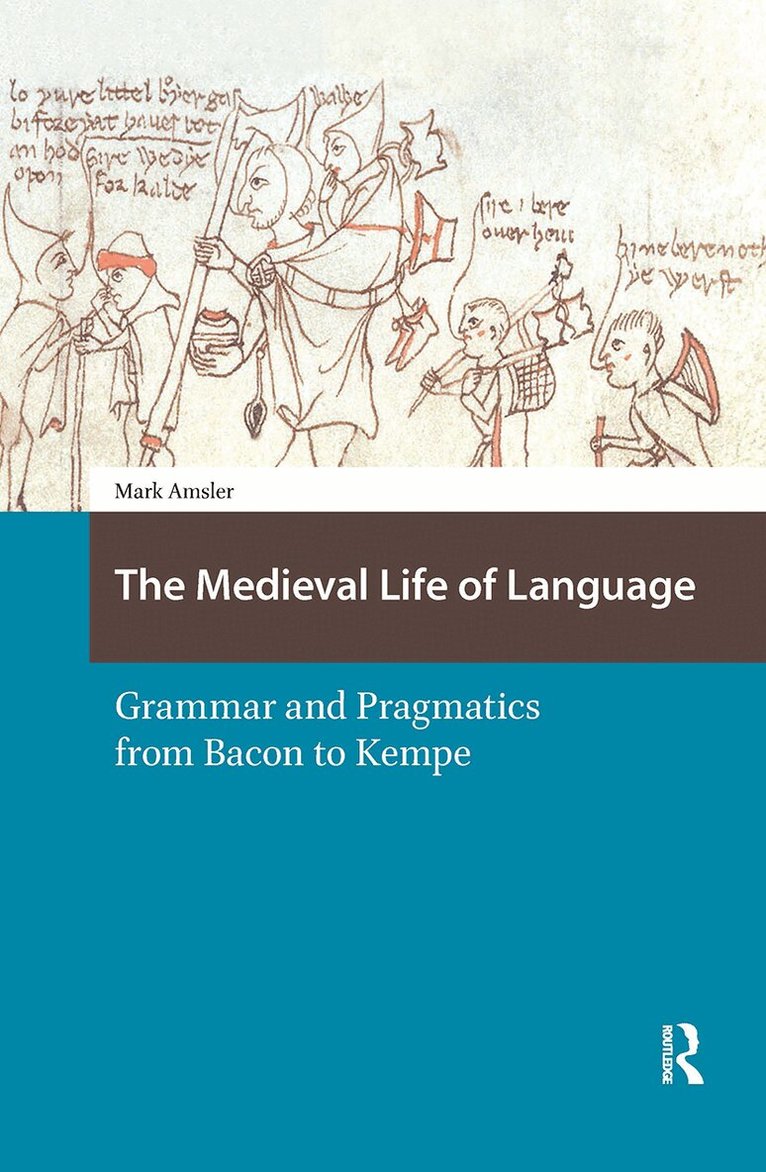
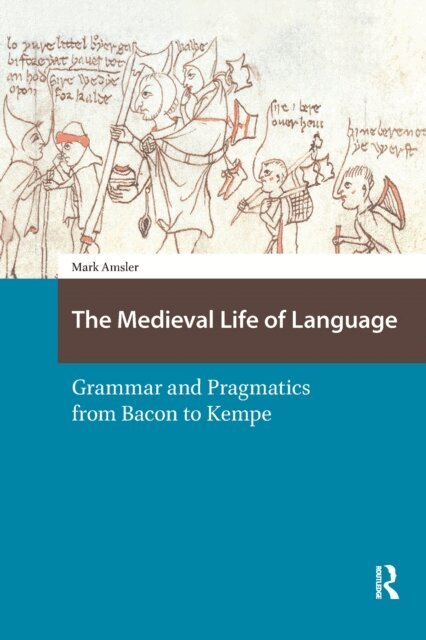
Medieval Life of Language
Grammar and Pragmatics from Bacon to Kempe
2 166 kr
Beställningsvara. Skickas inom 10-15 vardagar. Fri frakt över 249 kr.
Fler format och utgåvor
Beskrivning
This book explores medieval pragmatic theory across diverse social discourses, revealing how pragmatic thinking permeated grammar, semiotics, philosophy, and literature.
Produktinformation
Utforska kategorier
Mer om författaren
Recensioner i media
Innehållsförteckning
Hoppa över listan
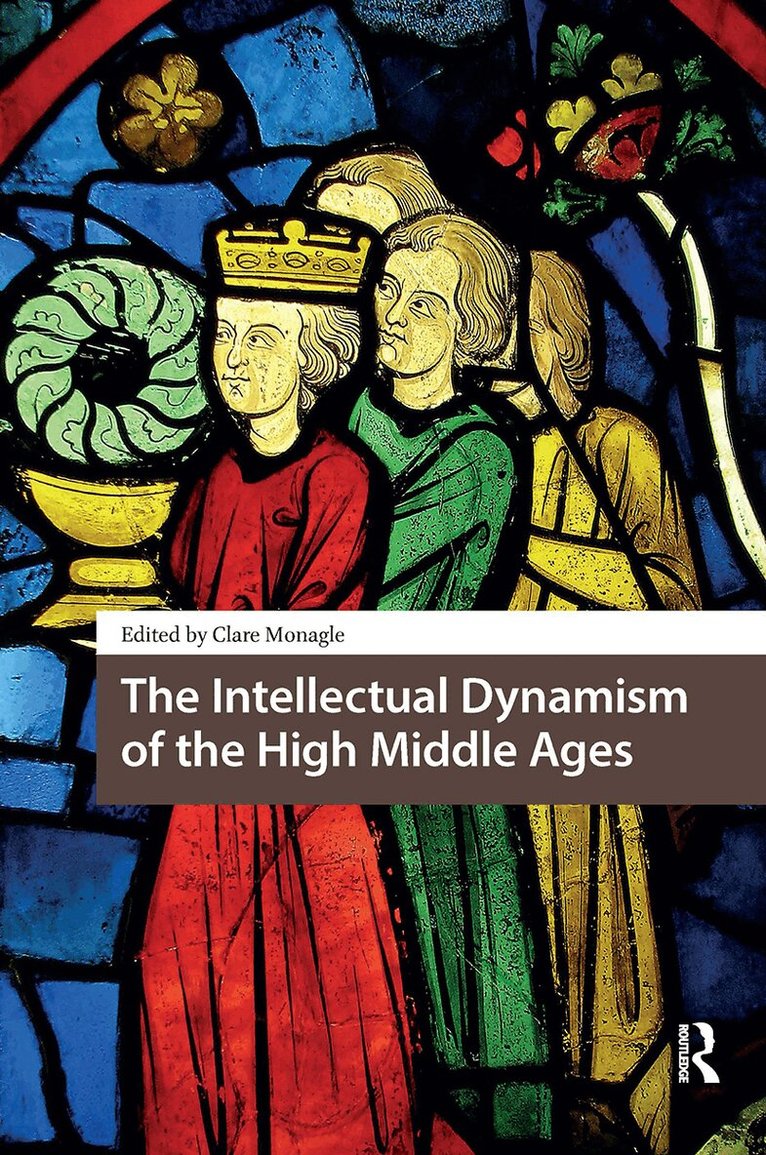
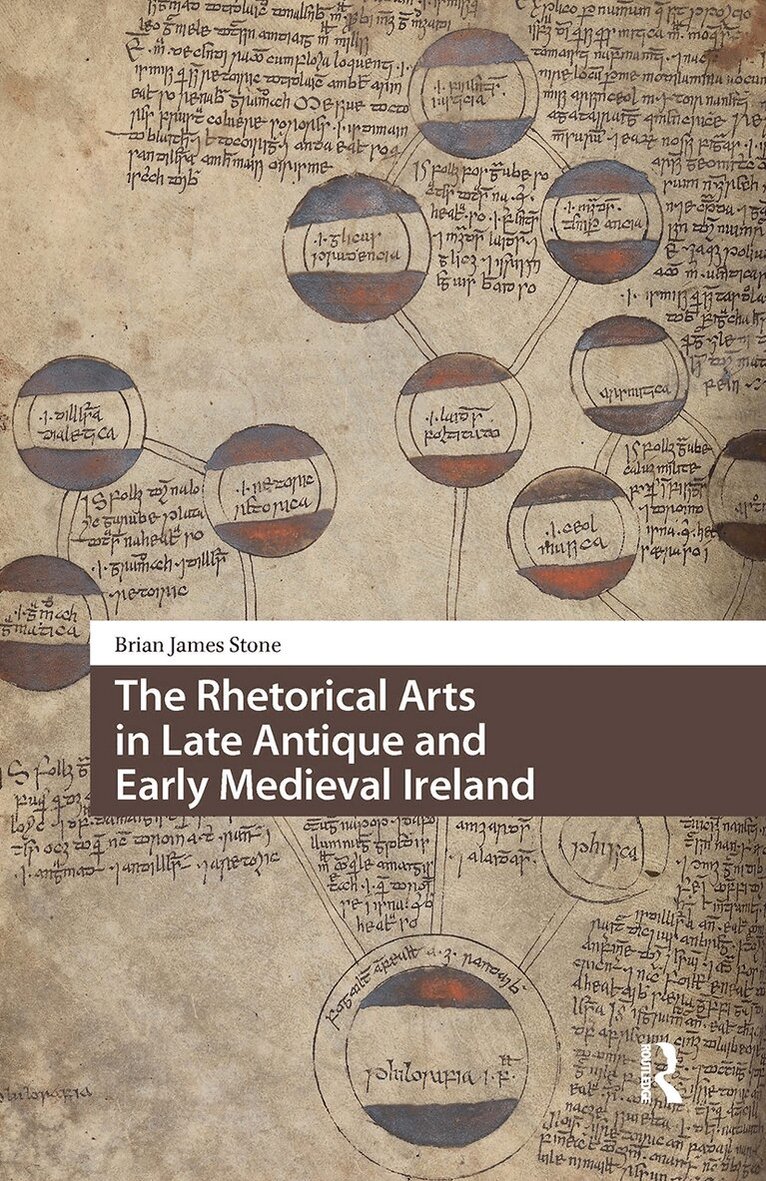
Mer från samma serie
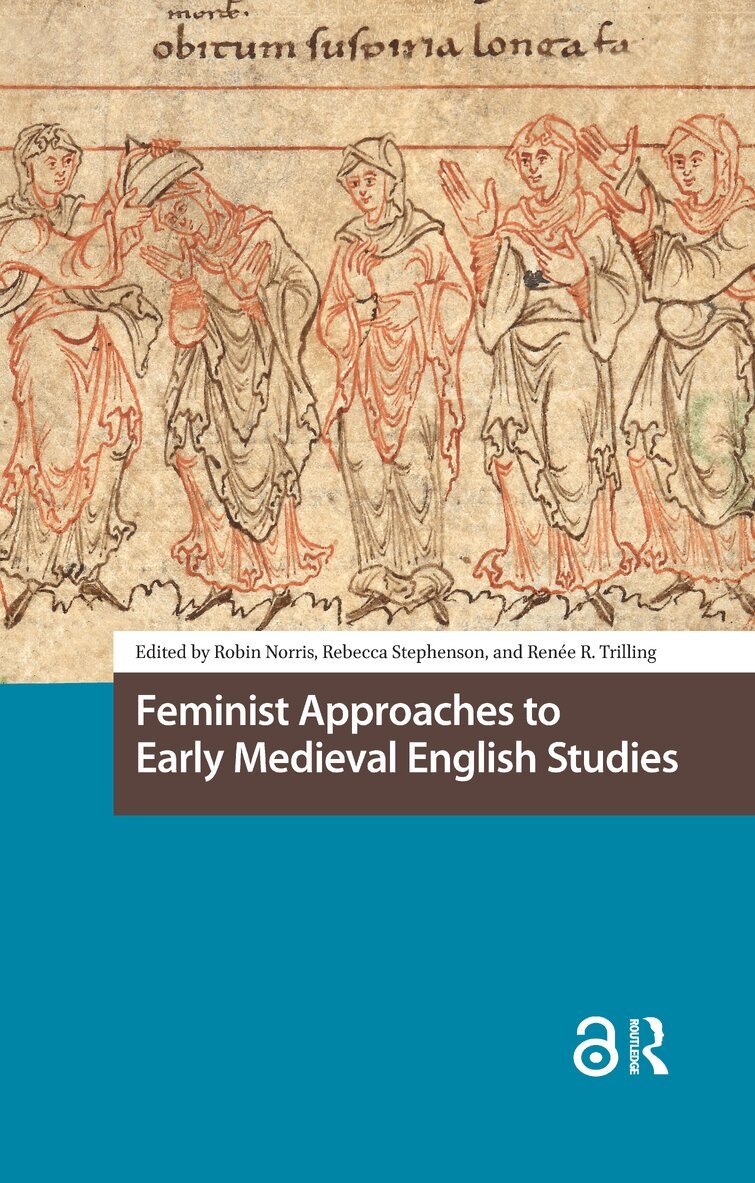
Feminist Approaches to Early Medieval English Studies
Robin Norris, Rebecca Stephenson, Renee Trilling
Häftad, 2025
799 kr
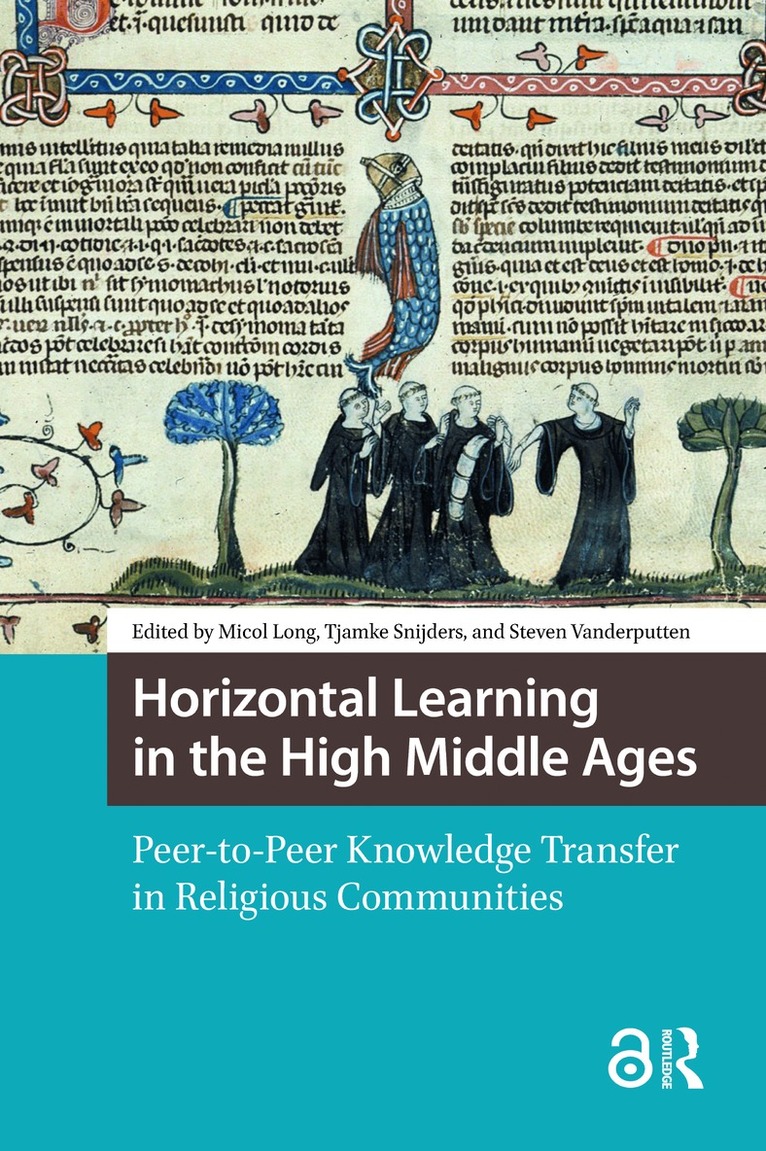
Horizontal Learning in the High Middle Ages
Micol Long, Tjamke Snijders, Steven Vanderputten
Häftad, 2025
694 kr
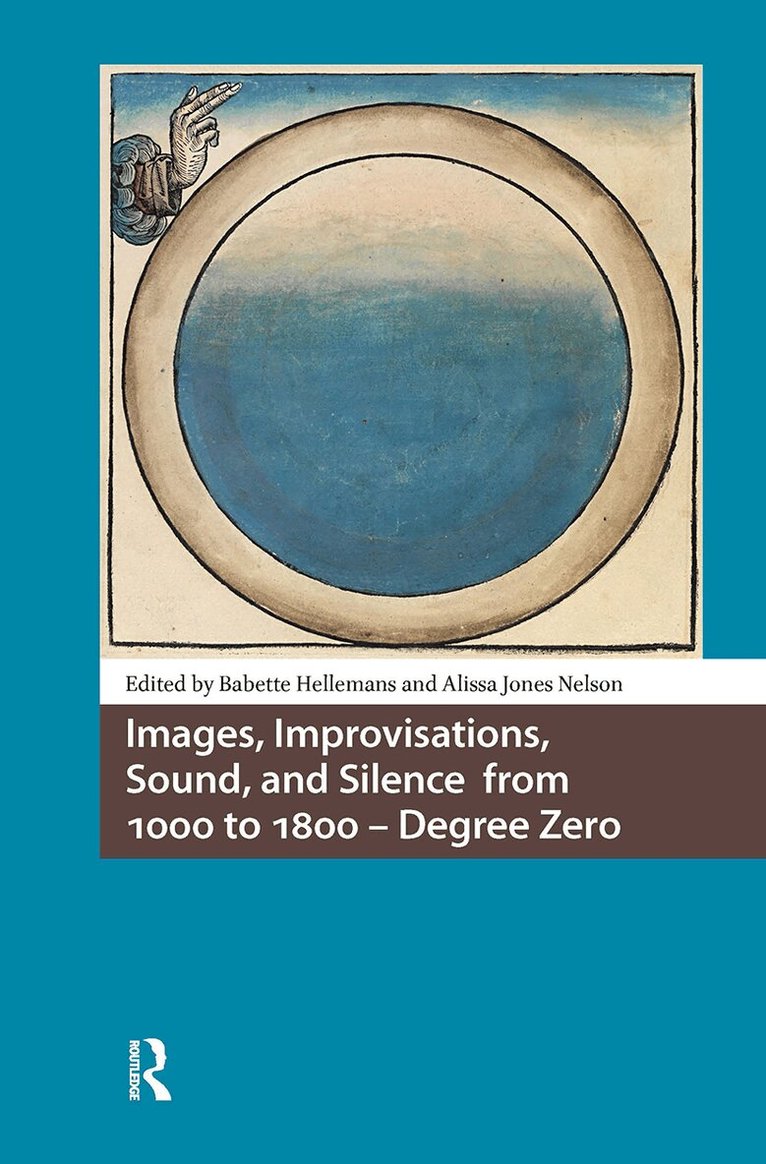
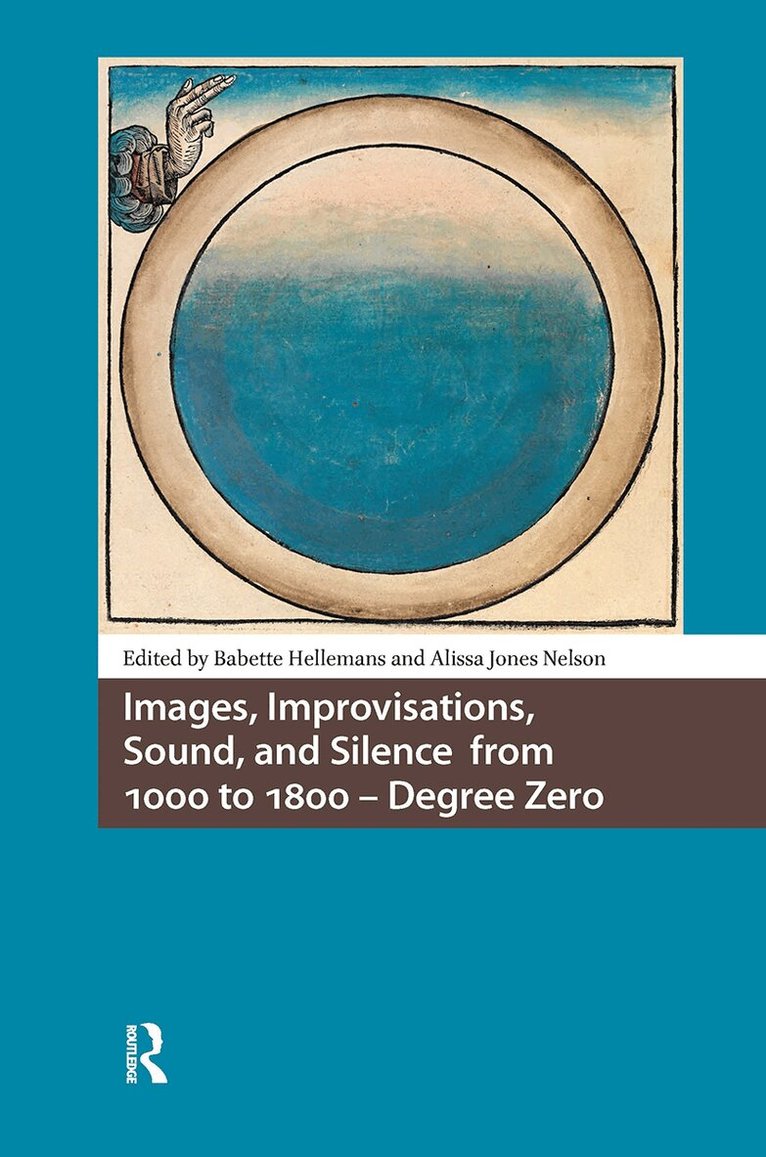
Images, Improvisations, Sound, and Silence from 1000 to 1800 - Degree Zero
Babette Hellemans, Alissa Jones Nelson
Häftad, 2025
715 kr
Hoppa över listan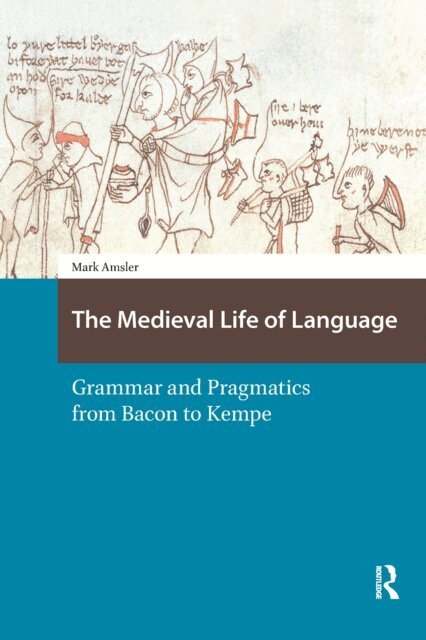
Du kanske också är intresserad av
- Nyhet
Love as the Divine Presence, from Augustine to Peter Lombard
Aage Rydstrøm-Poulsen
Inbunden, 2026
2 476 kr
Del 3
Del 11
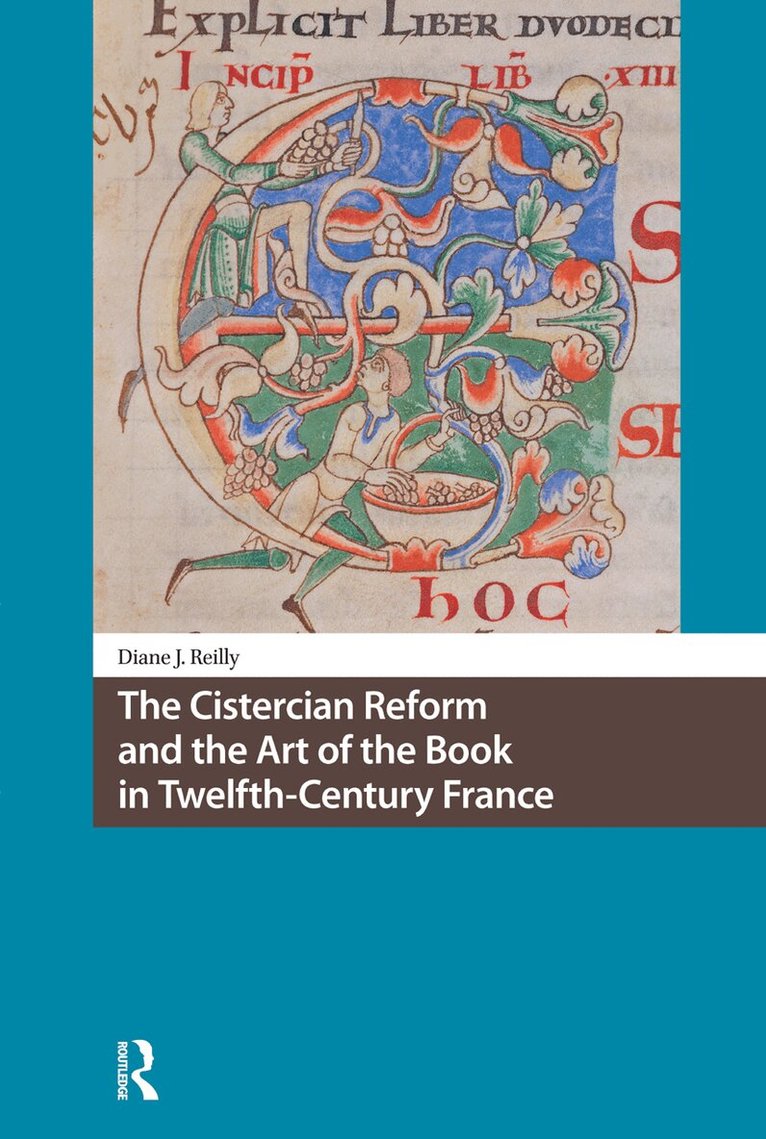
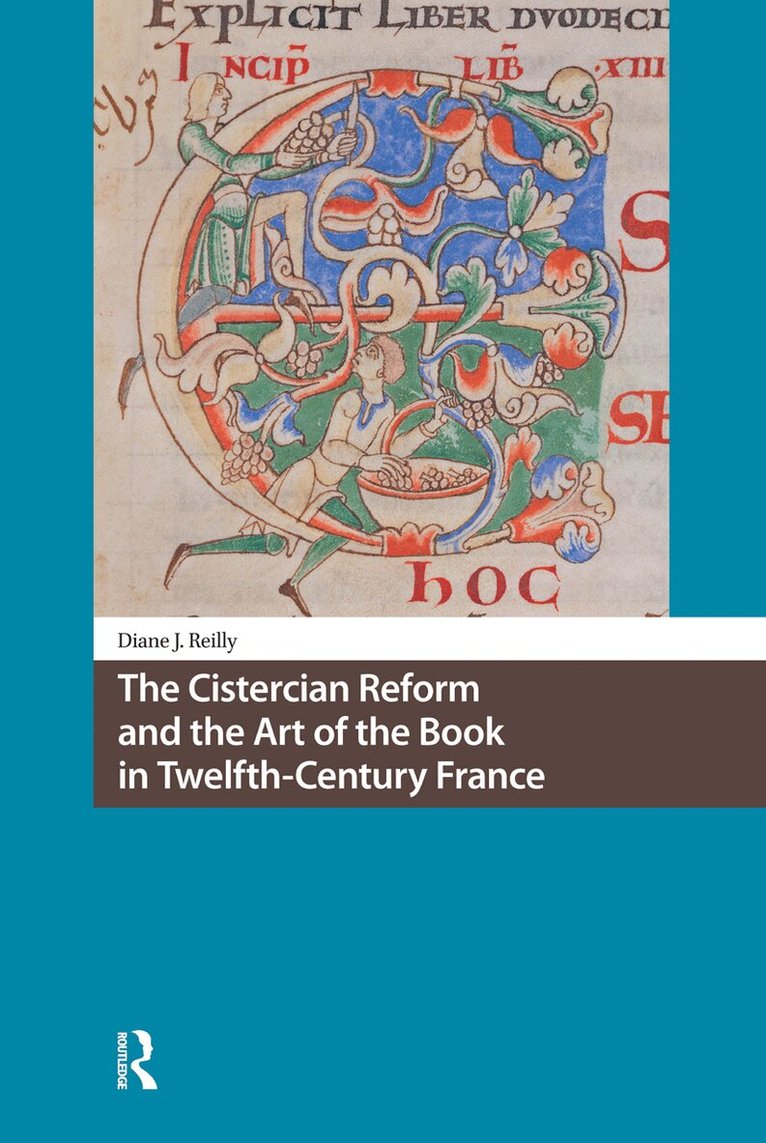
Cistercian Reform and the Art of the Book in Twelfth-Century France
Diane Reilly
Inbunden, 2018
2 103 kr
Images, Improvisations, Sound, and Silence from 1000 to 1800 - Degree Zero
Babette Hellemans, Alissa Jones Nelson
Inbunden, 2018
2 166 kr