Inbunden, Engelska, 2022
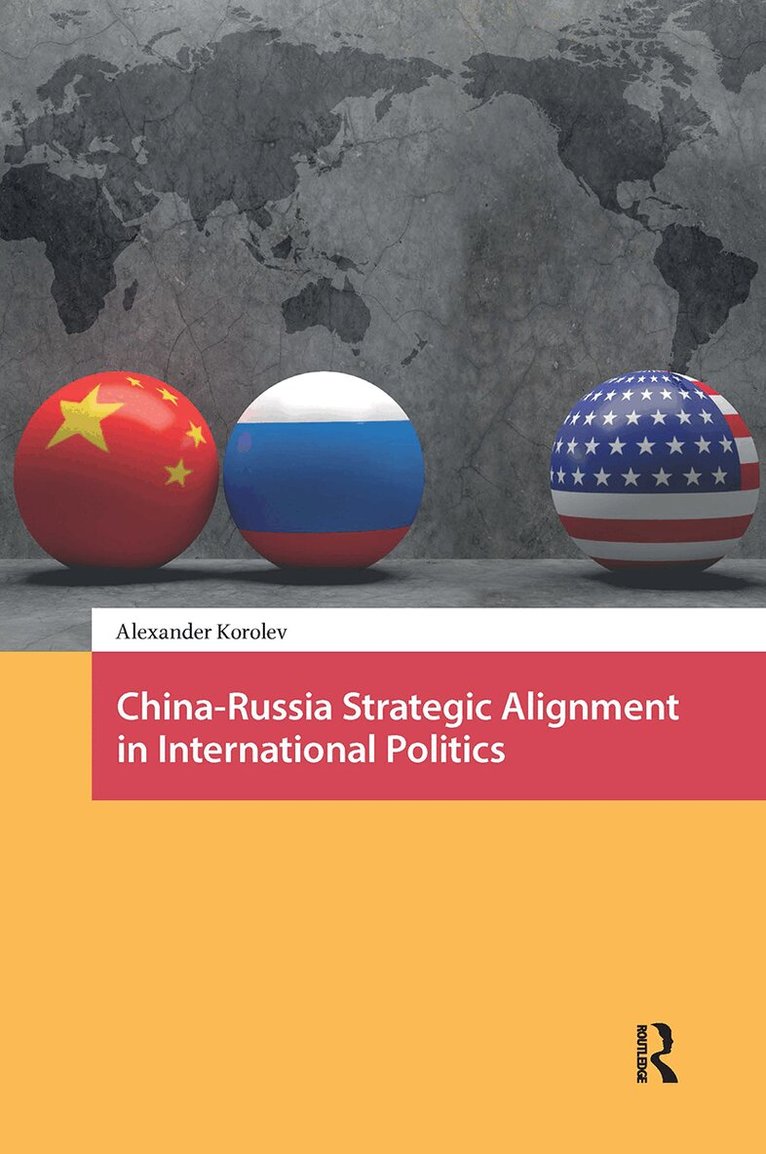
China-Russia Strategic Alignment in International Politics
2141 kr
Beställningsvara. Skickas inom 10-15 vardagar. Fri frakt över 249 kr.
Beskrivning
This book bridges area studies and International Relations literature to develop a set of objective criteria to measure and explain the development of strategic alignment in post-Cold War China-Russia relations.
Produktinformation
- Utgivningsdatum: 2022-06-02
- Mått: 156 x 234 x 19 mm
- Vikt: 660 g
- Format: Inbunden
- Språk: Engelska
- Antal sidor: 200
- Förlag: Amsterdam University Press
- ISBN: 9789463725248
Utforska kategorier
Betyg & recensioner
0 recensioner
Inga recensioner tillgängliga.