• Fri frakt över 249 kr
  • •
  • Snabba leveranser
  • •
  • Billiga böcker
Kundservice

Du är på sajten för privatpersoner.

Företag, bibliotek eller offentlig verksamhet?

Du handlar på classic.bokus.com, där alla dina funktioner finns intakta.
Till classic.bokus.com
Bokus logotyp. Gå till startsidan.
  • Erbjudanden
  • Student
  • Topplistor
  • Barn & ungdom
  • Bokus Play
  • E-böcker
  • Ljudböcker
  • Pocketböcker
  • Spel och pussel

Pocketfynda! Hundratals böcker för 49 kr/st →

Sidfot

Mina sidor

    Hjälp

    • Kundservice
    • Vanliga frågor och svar
    • Frakt och leverans
    • Retur vid ångerrätt
    • Reklamera vara
    • Betalning
    • Köpvillkor
    • Allmänna villkor
    • Information om webbplatsens tillgänglighet

    Om Bokus

    • Om oss
    • Pressrum
    • För studenter
    • För företag
    • För bibliotek och offentlig verksamhet
    • För leverantörer
    • Hållbarhet

    Populärt

    • Aktuella erbjudanden
    • Presentkort
    • Studentlitteratur
    • Nya böcker
    • Topplistor
    • Signerade böcker
    • Engelska böcker

    Inspiration

    • Boktips
    • BookTok
    • Barnbokskaraktärer
    • Populära författare
    Logotyp för Bokus
    Följ oss på Facebook (extern länk)Följ oss på Instagram (extern länk)Följ oss på YouTube (extern länk)Följ oss på TikTok (extern länk)
    bokus @ CookiesAnpassa cookiesIntegritetspolicyKöpvillkor
    Till Citymail hemsida (extern länk)Till Budbee hemsida (extern länk)Till Postnord hemsida (extern länk)Till Schenker hemsida (extern länk)Till Early Bird hemsida (extern länk)Till Walleys hemsida (extern länk)
    1. Ekonomi och Ledarskap
    2. Nationalekonomi
    3. Internationell ekonomi

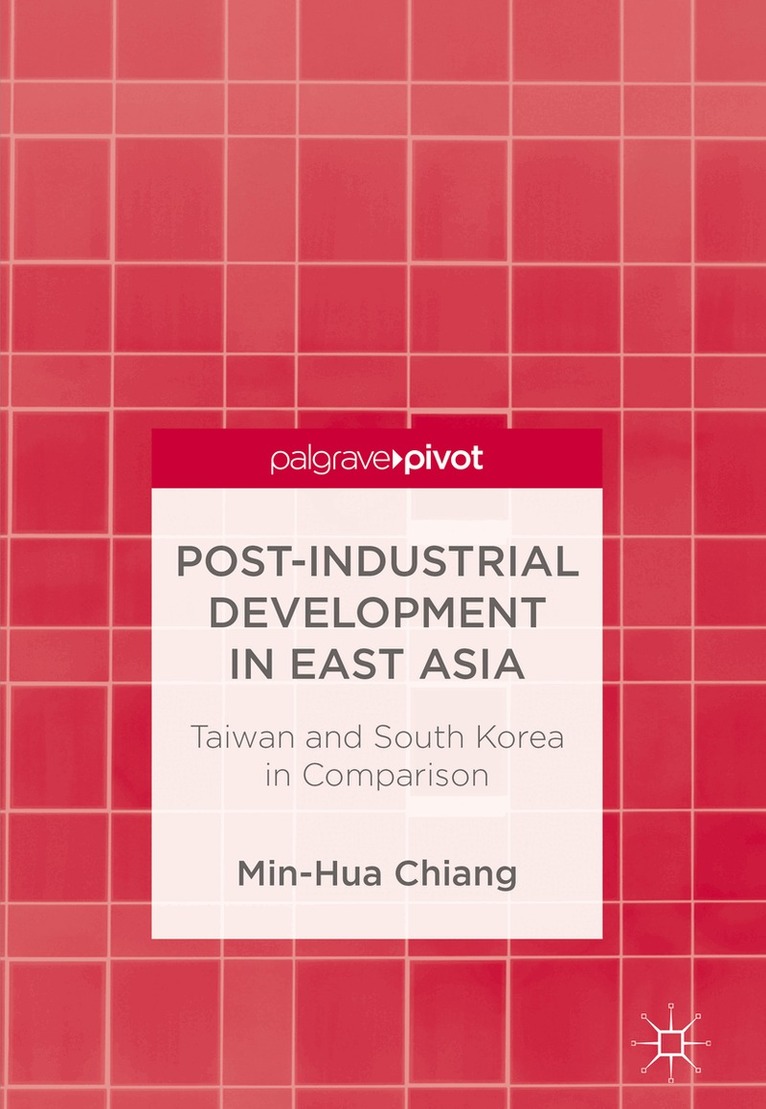
    Post-Industrial Development in East Asia

    Taiwan and South Korea in Comparison

    AvMin-Hua Chiang

    Inbunden, Engelska, 2018

    614 kr

    Beställningsvara. Skickas inom 10-15 vardagar. Fri frakt över 249 kr.

    Fler format och utgåvor

    E-bok

    789 kr

    Beskrivning

    This book purports to investigate and compare the economic development experiences in both Taiwan and South Korea in last two decades. Taiwan and South Korea’s economic development after WWII is a well-known story. However, their development after the successful post-war industrialization has not been comprehensively studied. The book examines whether the three factors —the role of private business, government policy, and foreign influence—that had contributed to Taiwan’s and Korea’s post-war development, are still relevant during the post-industrial development era.Researchers in the fields of global political economy, Asian economic development and East Asian studies will find this book a fresh and invaluable contribution to the literature. The book will also be of value to policy makers in developing countries in drafting their national development policies, diplomats conducting economic diplomacy with Taiwan and South Korea, and business people planning to expand their business interests in Asia.

    Produktinformation

    • Utgivningsdatum:2018-06-11
    • Mått:148 x 210 x 15 mm
    • Vikt:353 g
    • Format:Inbunden
    • Språk:Engelska
    • Antal sidor:165
    • Förlag:Springer Verlag, Singapore
    • ISBN:9789811302732

    Utforska kategorier

    • Internationell ekonomi inom Ekonomi och Ledarskap
    • Ekonomisk politik inom Ekonomi och Ledarskap
    • Ekonomiska system inom Ekonomi och Ledarskap

    Mer om författaren

    Min-Hua Chiang is research fellow at the East Asian Institute, National University of Singapore. She obtained her PhD in Economics from Université Pierre Mendès-France, now part of Université Grenoble Alpes in 2008. Her research interests include Asia-Pacific regionalism, trade and investment, and issues related to economic growth and development in East Asia.

    Innehållsförteckning

    • 1. Introduction.- 2. Sustaining Taiwan’s and South Korea’s Post-Industrial Economic Growth: the China Factor.- 3. The Changing Role of SMEs in Taiwan’s and South Korea’s Economies.- 4. Comparing Governments’ Policies in Promoting Economic Growth (I): Industrial Upgrading Policies.- 5. Comparing Governments’ Policies in Promoting the Economic Growth (II): Free Trade Policy.- 6. New Challenges Ahead (I): Growing Income Inequality.- 7. New Challenges Ahead (II): Aging Demography.- 8. Conclusion.