Inbunden, Engelska, 2018
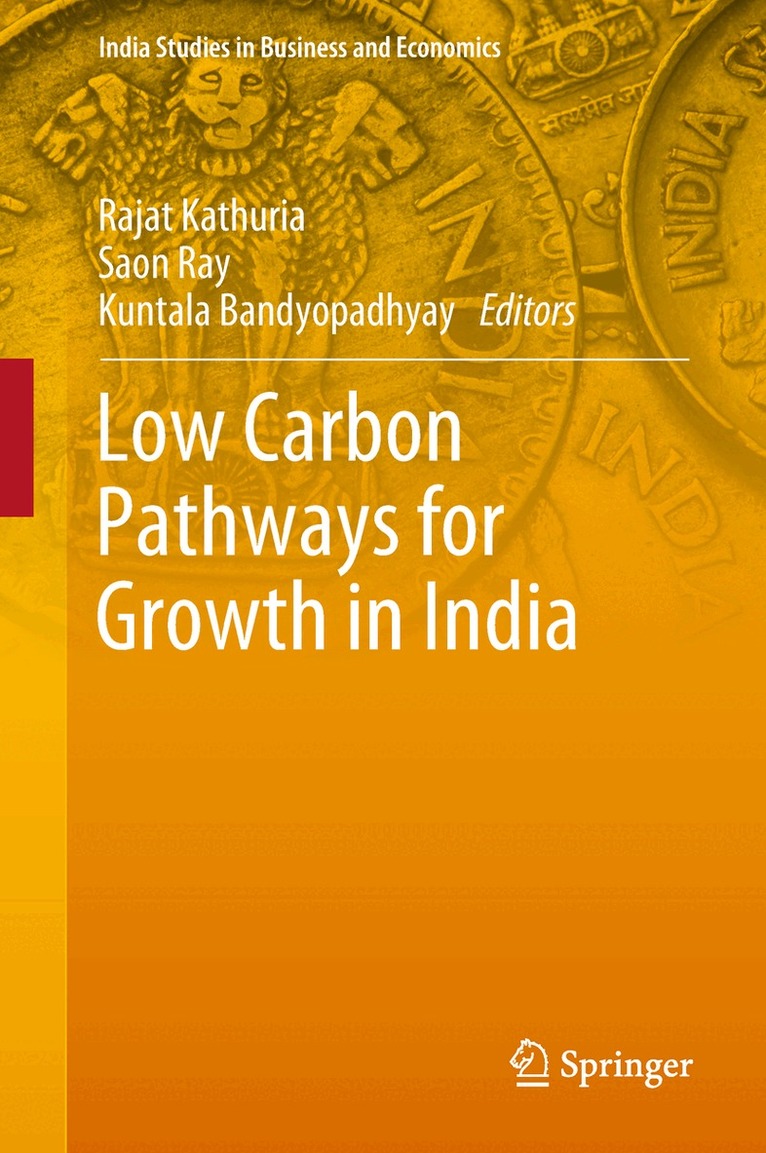
Low Carbon Pathways for Growth in India
Av Rajat Kathuria, Saon Ray, Kuntala Bandyopadhyay
1213 kr
Skickas inom 10-15 vardagar
Beskrivning
This book explores ways in which India can negotiate the low carbon path up until 2030, when it is expected to be the largest economy after the US and China. It comprehensively reviews the low climate pathways for India and provides a guide to the pathways that the country can adopt. India’s population, energy demands and emissions will increase significantly, and the challenge is to restrict its CO2 emissions and walk the low carbon path. Through its Intended Nationally Determined Contributions (INDCs), India has pledged to reduce its emissions significantly.Addressing the question of which low carbon paths India can adhere to without compromising its growth, the book identifies the key factors that feed into existing models of climate change and discusses the cost of action versus inaction. It also examines key issues concerning India’s environment through the lens of the transport, industry and water sectors. The book concludes by looking at policy implications for lowcarbon growth in India.
Produktinformation
- Utgivningsdatum: 2018-08-09
- Mått: 155 x 235 x 15 mm
- Vikt: 466 g
- Format: Inbunden
- Språk: Engelska
- Antal sidor: 188
- Förlag: Springer Verlag, Singapore
- Serie: India Studies in Business and Economics
- ISBN: 9789811309045
Utforska kategorier
Betyg & recensioner
0 recensioner
Inga recensioner tillgängliga.