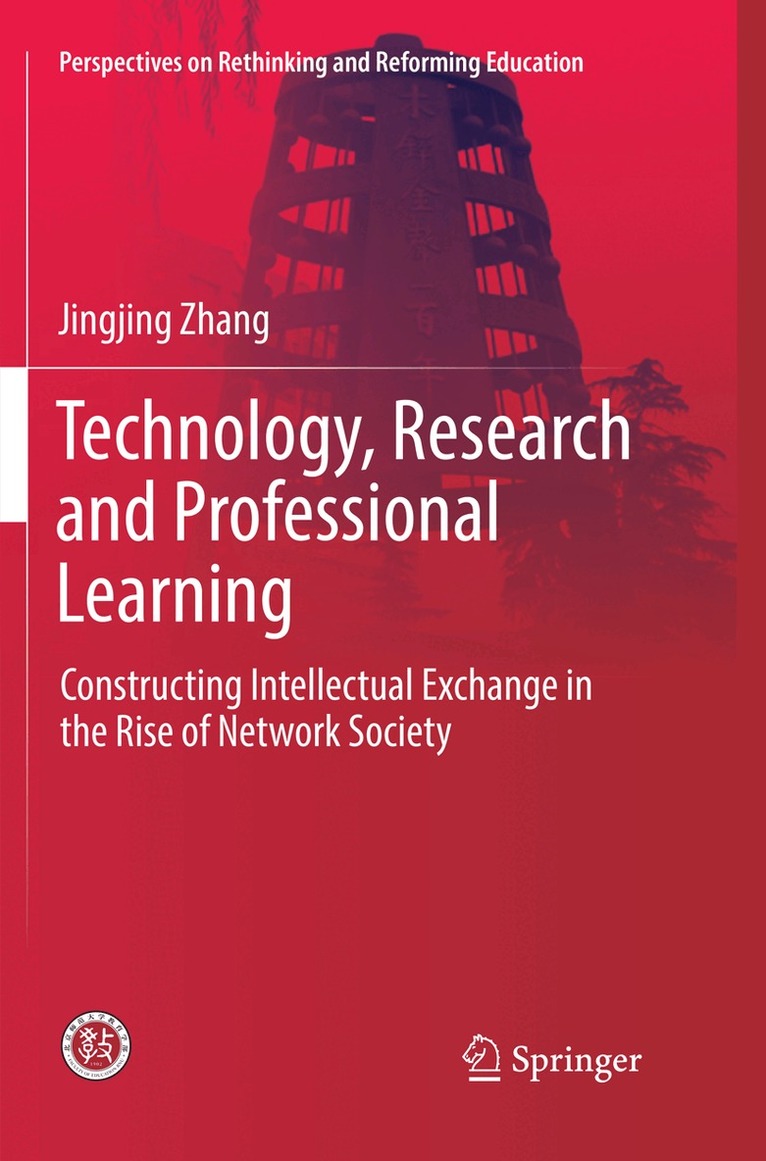
Häftad, Engelska, 2019
Technology, Research and Professional Learning
543 kr
Skickas inom 10-15 vardagar
Beskrivning
This book investigates the use of network technologies in research, and explores how such use potentially changes the nature of professional learning between academics. It attempts to situate the discussion of technology use in real-world research settings, to identify the different forms of participation in intellectual exchange embedded in academic dialogue, and to further contribute to knowledge on how the use of network technology potentially changes the nature of learning. Multiple data collection methods are employed, in two forms of study: a single case study, and a number of individual interviews. The single case study was carried out over a one-year period, and consisted of interviews (22 interviewees), observations, and document review. Individual semi-structured interviews were carried out over a similar period of time with a wider and different population of 24 academics from different Oxford faculties. Half of these were interviewed twice.The main findings presented in this book demonstrate that the direct consequences of technology use are changes to academic dialogue and scholarly communication in general. The change to this critical aspect of research – scholarly communication – has potentially led to more distributed research in interconnected research environments. It is the changes to scholarly communication and the research environment that consequently affect participation in intellectual exchange.
Produktinformation
- Utgivningsdatum: 2019-01-26
- Mått: 155 x 235 x 10 mm
- Vikt: 271 g
- Format: Häftad
- Språk: Engelska
- Antal sidor: 150
- Förlag: Springer Verlag, Singapore
- Serie: Perspectives on Rethinking and Reforming Education
- ISBN: 9789811345081
Utforska kategorier
Betyg & recensioner
0 recensioner
Inga recensioner tillgängliga.