• Fri frakt över 249 kr
  • •
  • Snabba leveranser
  • •
  • Billiga böcker
Kundservice

Du är på sajten för privatpersoner.

Företag, bibliotek eller offentlig verksamhet?

Du handlar på classic.bokus.com, där alla dina funktioner finns intakta.
Till classic.bokus.com
Bokus logotyp. Gå till startsidan.
  • Erbjudanden
  • Nyheter
  • Student
  • Topplistor
  • Barn & ungdom
  • Bokus Play
  • E-böcker
  • Pocketböcker
  • Spel & pussel

10% rabatt på allt med kod NYSTART10 →

Sidfot

Mina sidor

    Hjälp

    • Kundservice
    • Vanliga frågor och svar
    • Frakt och leverans
    • Retur vid ångerrätt
    • Reklamera vara
    • Betalning
    • Köpvillkor
    • Allmänna villkor
    • Information om webbplatsens tillgänglighet

    Om Bokus

    • Om oss
    • Pressrum
    • För studenter
    • För företag
    • För bibliotek och offentlig verksamhet
    • För leverantörer
    • Hållbarhet

    Populärt

    • Aktuella erbjudanden
    • Presentkort
    • Studentlitteratur
    • Nya böcker
    • Topplistor
    • Signerade böcker
    • Engelska böcker

    Inspiration

    • Boktips
    • BookTok
    • Populära bokserier
    • Barnbokskaraktärer
    • Populära författare
    Logotyp för Bokus
    Följ oss på Facebook (extern länk)Följ oss på Instagram (extern länk)Följ oss på YouTube (extern länk)Följ oss på TikTok (extern länk)
    bokus @ CookiesAnpassa cookiesIntegritetspolicyKöpvillkor
    Till Citymail hemsida (extern länk)Till Budbee hemsida (extern länk)Till Postnord hemsida (extern länk)Till Schenker hemsida (extern länk)Till Early Bird hemsida (extern länk)Till Walleys hemsida (extern länk)
    1. Data och IT
    2. Systemvetenskap och AI
    3. Artificiell intelligens

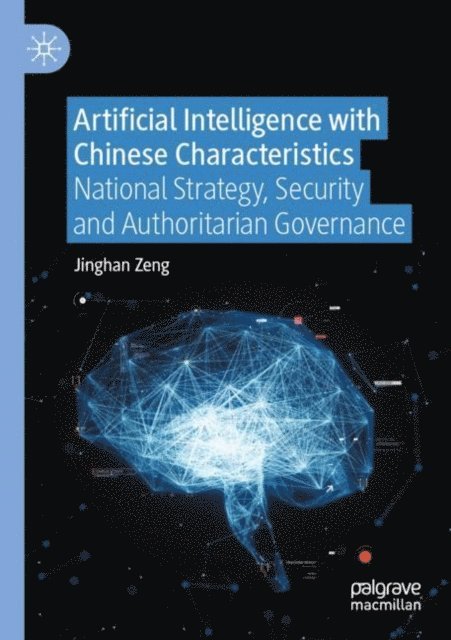
    Artificial Intelligence with Chinese Characteristics

    National Strategy, Security and Authoritarian Governance

    AvJinghan Zeng

    Häftad, Engelska, 2022

    333 kr

    Beställningsvara. Skickas inom 10-15 vardagar. Fri frakt över 249 kr.

    Fler format och utgåvor

    E-bok

    442 kr

    Beskrivning

    “This book provides the first book-lengthy study focusing on Artificial Intelligence (AI) with Chinese characteristics, in line with China’s open ambition of becoming an AI superpower by 2030. China’s unique domestic politics has developed distinct characteristics for its AI approach. By analysing national strategy, security and governance aspects of AI in China, this book argues that China’s AI approach is sophisticated and multifaceted, and it has brought about both considerable benefits and challenges to China. First, many characterize China’s AI approach as a nationally concerted top-down geopolitical strategy to advance Beijing’s unified objective. This book argues that this view is mistaken. It shows that China’s AI politics is largely shaped by economically rather than geopolitically motivated domestic stakeholders. In addition, China’s national AI plan is an upgrade of existing local AI initiatives to the national level, reflecting a bottom-up development.Thus, China’s AI strategy is more of a political manifesto rather than a concrete policy plan. The second part of the book discusses how the Chinese central government has been securitizing AI in order to mobilize local states, market actors, intellectuals and the general public. This security discourse is built on China’s historical anxieties about technology, regime security needs and the growing tension caused by great power competition. Despite its help in convincing domestic actors, however, this securitization trend may undermine key AI objectives. The third part of the book studies the Chinese governance approach to the use of AI. It argues that China’s bold AI practices are part of its broad and incoherent adaptation strategy to governance by digital means. AI is part of a digital technology package that the Chinese authoritarian regime has actively employed not only to improve public services but also to strengthen its authoritarian governance. While China’s AI progress benefits from its unique political and social environment, its ambitious AI plan contains considerable risks. China’s approach is gambling on its success in (a) delivering a booming AI economy, (b) ensuring a smooth social transformation to the age of AI, and (c) proving ideological superiority of its authoritarian and communist values.This book suggests that a more accurate understanding of AI with Chinese characteristics is essential in order to inform the debate regarding what lessons can be learnt from China’s AI approach and how to respond to China’s rise as the AI leader if not superpower.”
    Produktinformation

    • Utgivningsdatum:2022-03-30
    • Mått:148 x 210 x 14 mm
    • Vikt:206 g
    • Format:Häftad
    • Språk:Engelska
    • Antal sidor:125
    • Förlag:Springer Verlag, Singapore
    • ISBN:9789811907210

    Utforska kategorier

    • Artificiell intelligens inom Data och IT
    • Internationella relationer inom Samhälle och politik

    Mer om författaren

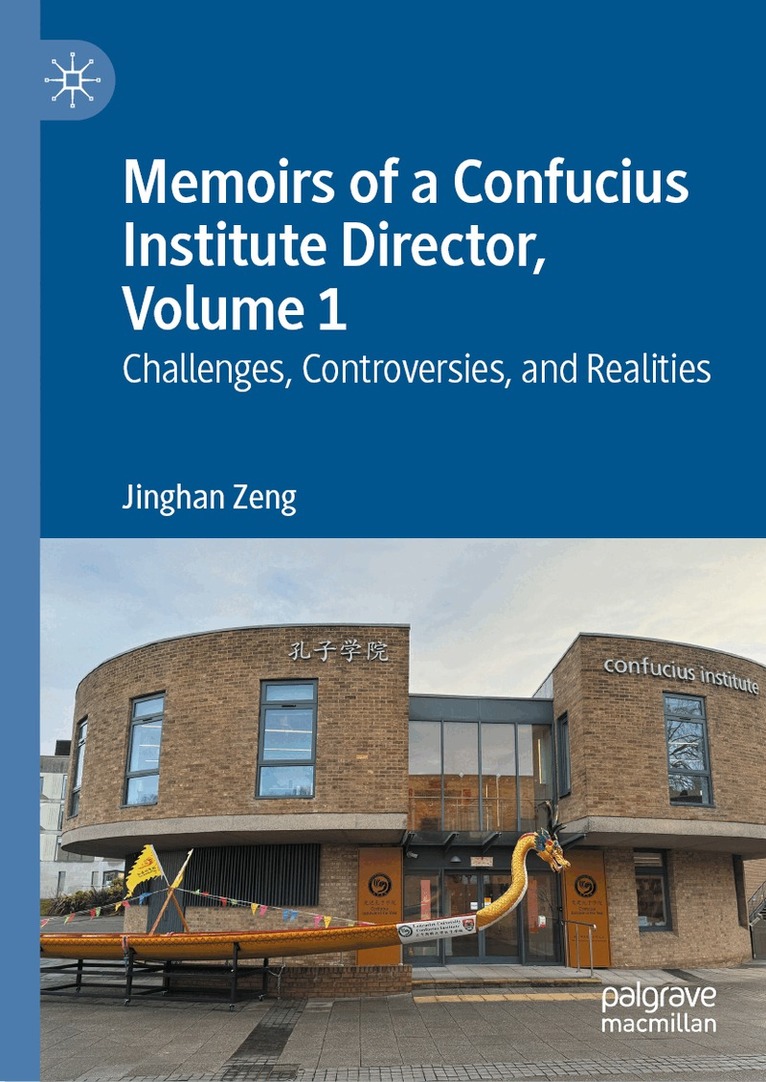
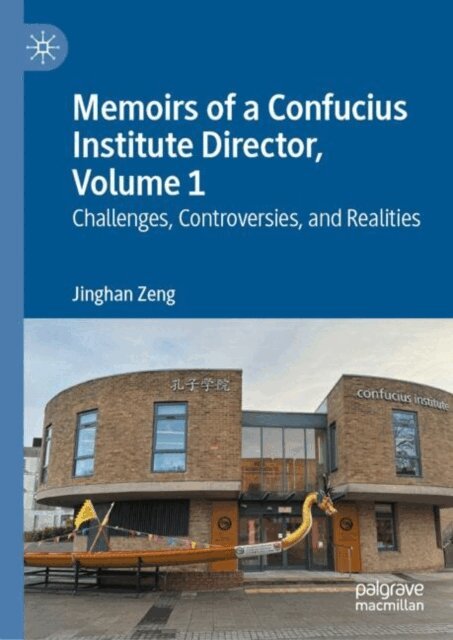
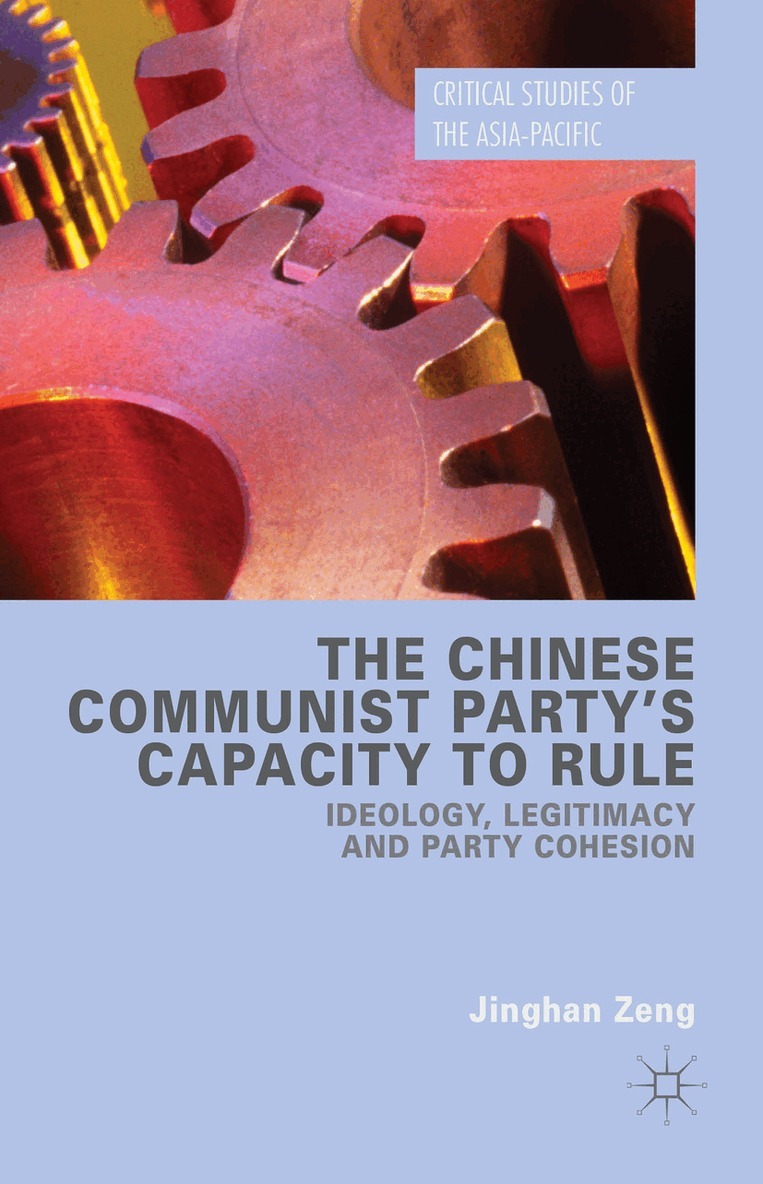
    Jinghan Zeng is Professor of China and International Studies at Lancaster University. His research focuses on China’s domestic and international politics. He is the author of Slogan Politics: Understanding Chinese Foreign Policy Concepts (2020) and The Chinese Communist Party's Capacity to Rule: Ideology, Legitimacy and Party Cohesion (2015). He is also the co-editor of One Belt, One Road, One Story?: Towards an EU-China Strategic Narrative (2021).

    Recensioner i media

    “Its goal – which it meets successfully – is to establish a fundamental set of parameters and paradoxes to study, in order to structure the major academic debate on AI in China that is sure to flourish in the coming years.” (Rogier Creemers, The China Quarterly, March 23, 2023)“Jinghan Zeng has produced an engaging and rich account of China’s artificial intelligence (AI) strategy that is of interest to different audiences across International Relations (IR). Zeng engages with both IR and area studies work on the subject-matter, bridging the gap between these fields. … The author has written a highly readable and important overview of the still small but growing literature on China’s AI strategy that will benefit scholars in technology and cyberspace studies, China studies … .” (Theo Westphal and Ruoxi Wang, International Affairs, Vol. 99 (1), 2023)

    Innehållsförteckning

    • Chapter 1 Introduction.- Chapter 2 AI and Authoritarian Governance.- Chapter 3 Securitization of AI.- Chapter 4 China’s AI politics: Top-down vs Bottom-up.- Chapter 5 Concluding Remarks.