Häftad, Engelska, 2020
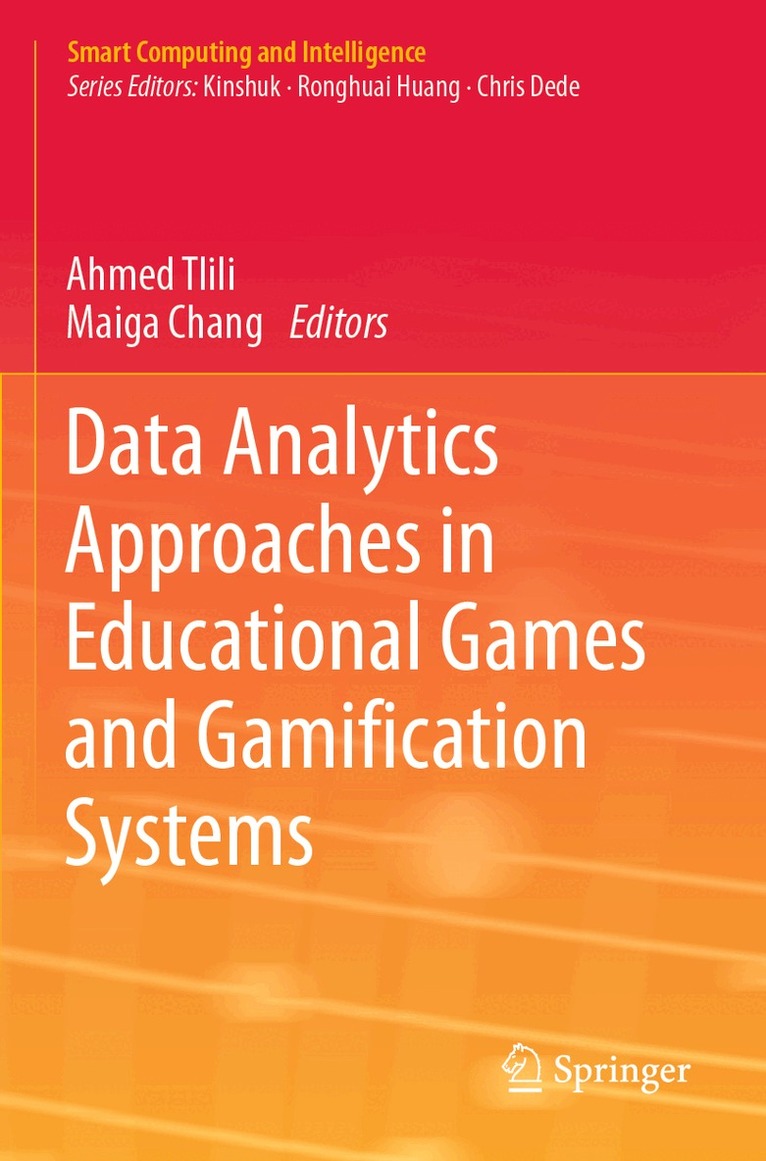
Data Analytics Approaches in Educational Games and Gamification Systems
1064 kr
Beställningsvara. Skickas inom 10-15 vardagar. Fri frakt över 249 kr.
Beskrivning
Game-based learning environments and learning analytics are attracting increasing attention from researchers and educators, since they both can enhance learning outcomes. This book focuses on the application of data analytics approaches and research on human behaviour analysis in game-based learning environments, namely educational games and gamification systems, to provide smart learning. Specifically, it discusses the purposes, advantages and limitations of applying such approaches in these environments. Additionally, the various smart game-based learning environments presented help readers integrate learning analytics in their educational games and gamification systems to, for instance, assess and model students (e.g. their computational thinking) or enhance the learning process for better outcomes. Moreover, the book presents general guidelines on various aspects, such as collecting data for analysis, game-based learning environment design, system architecture and applied algorithms, which facilitate incorporating learning analytics into educational games and gamification systems.After a general introduction to help readers become familiar with the subject area, the individual chapters each discuss a different aim of applying data analytics approaches in educational games and gamification systems. Lastly, the conclusion provides a summary and presents general guidelines and frameworks to consider when designing smart game-based learning environments with learning analytics.
Produktinformation
- Utgivningsdatum: 2020-09-25
- Mått: 155 x 235 x 16 mm
- Vikt: 423 g
- Format: Häftad
- Språk: Engelska
- Serie: Smart Computing and Intelligence
- Antal sidor: 255
- Förlag: Springer Verlag, Singapore
- ISBN: 9789813293373
Utforska kategorier
Betyg & recensioner
0 recensioner
Inga recensioner tillgängliga.