• Fri frakt över 249 kr
  • •
  • Snabba leveranser
  • •
  • Billiga böcker
Kundservice

Du är på sajten för privatpersoner.

Företag, bibliotek eller offentlig verksamhet?

Du handlar på classic.bokus.com, där alla dina funktioner finns intakta.
Till classic.bokus.com
Bokus logotyp. Gå till startsidan.
  • Erbjudanden
  • Nyheter
  • Student
  • Topplistor
  • Barn & ungdom
  • Bokus Play
  • E-böcker
  • Pocketböcker
  • Spel & pussel

10% rabatt på allt med kod: NYSTART10 →

Sidfot

Mina sidor

    Hjälp

    • Kundservice
    • Vanliga frågor och svar
    • Frakt och leverans
    • Retur vid ångerrätt
    • Reklamera vara
    • Betalning
    • Köpvillkor
    • Allmänna villkor
    • Information om webbplatsens tillgänglighet

    Om Bokus

    • Om oss
    • Pressrum
    • För studenter
    • För företag
    • För bibliotek och offentlig verksamhet
    • För leverantörer
    • Hållbarhet

    Populärt

    • Aktuella erbjudanden
    • Presentkort
    • Studentlitteratur
    • Nya böcker
    • Topplistor
    • Signerade böcker
    • Engelska böcker

    Inspiration

    • Boktips
    • BookTok
    • Populära bokserier
    • Barnbokskaraktärer
    • Populära författare
    Logotyp för Bokus
    Följ oss på Facebook (extern länk)Följ oss på Instagram (extern länk)Följ oss på YouTube (extern länk)Följ oss på TikTok (extern länk)
    bokus @ CookiesAnpassa cookiesIntegritetspolicyKöpvillkor
    Till Citymail hemsida (extern länk)Till Budbee hemsida (extern länk)Till Postnord hemsida (extern länk)Till Schenker hemsida (extern länk)Till Early Bird hemsida (extern länk)Till Walleys hemsida (extern länk)
    1. Hälsa och familj
    2. Hälsa
    3. Särskilda hälsotillstånd
    4. Psykisk ohälsa

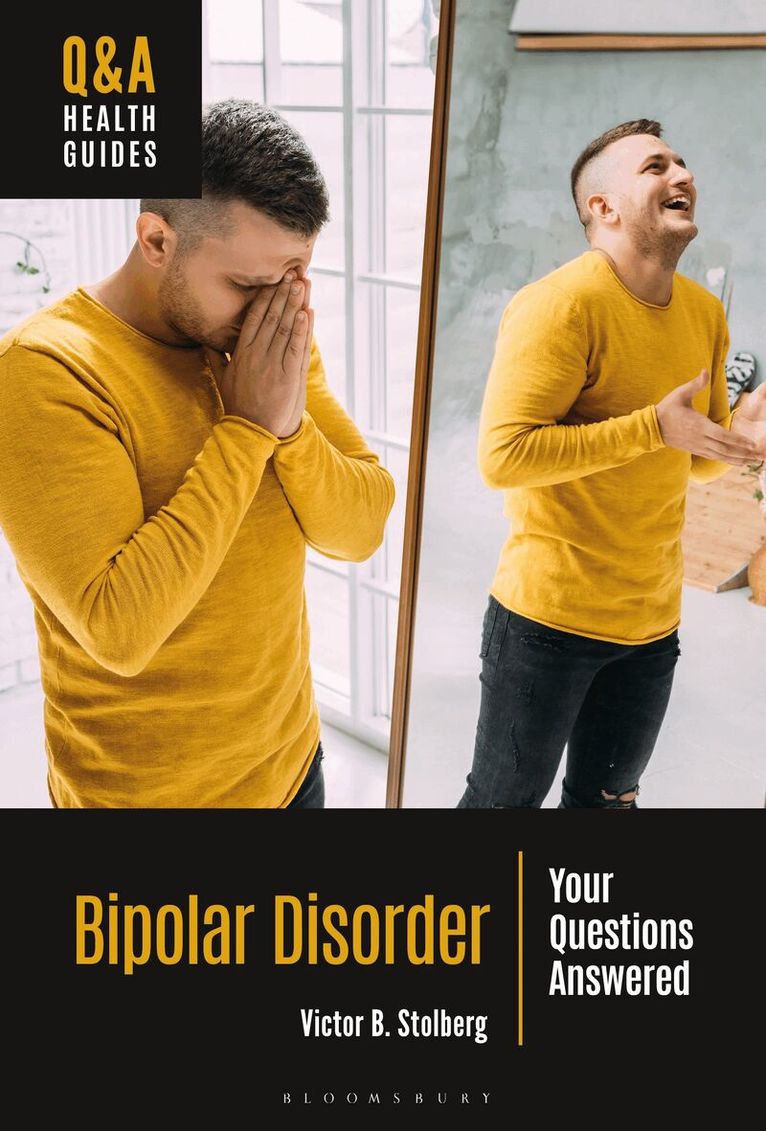
    Bipolar Disorder

    Your Questions Answered

    AvVictor B. Stolberg

    Inbunden, Engelska, 2026

    Del i serien Q&A Health Guides

    571 kr

    Beställningsvara. Skickas inom 5-8 vardagar. Fri frakt över 249 kr.

    Beskrivning

    Research suggests that more than 40 million people worldwide are living with bipolar disorder. Discover the truth about this misunderstood and often stigmatized condition.This book offers a broad introduction to bipolar disorder. The book’s questions cover what bipolar disorder is and the forms it can take, its common characteristics, the biological and environmental factors that may increase risk for developing the condition, how bipolar disorder is diagnosed and managed, and how friends and family can best support those living with bipolar disorder.Augmenting the main text, a collection of 5 case studies illustrate key concepts and issues through relatable stories and insightful recommendations. The Common Misconceptions section at the beginning of the volume dispels 5 long-standing and harmful myths about bipolar disorder, directing readers to additional information in the text. The glossary defines terms that may be unfamiliar to readers, while the directory of resources curates a list of the most useful books, websites, and other materials. Finally, whether they’re looking for more information about this subject or any other health-related topic, readers can turn to the Guide to Health Literacy section for practical tools and strategies for finding, evaluating, and using credible sources of health information both on and off the Internet.

    Produktinformation

    • Utgivningsdatum:2026-01-08
    • Mått:160 x 236 x 20 mm
    • Vikt:480 g
    • Format:Inbunden
    • Språk:Engelska
    • Serie:Q&A Health Guides
    • Antal sidor:200
    • Förlag:Bloomsbury Publishing Plc
    • ISBN:9798765114162

    Utforska kategorier

    • Psykisk ohälsa inom Hälsa och familj
    • Psykiska sjukdomar inom Medicin

    Mer om författaren

    Victor B. Stolberg is an assistant professor and counselor at Essex County College, in Newark, New Jersey, USA, where he previously directed the Office of Disability Support Services and the Office of the Substance Abuse Coordinator.

    Innehållsförteckning

    • Series ForewordAcknowledgementsIntroductionGuide to Health LiteracyCommon Misconceptions about Bipolar Disorder1. Bipolar disorder doesn’t really exist and is something that people just need to get over2. Individuals with bipolar disorder frequently alternate between manic and depressed moods3. Mood swings are always indicative of bipolar disorder4. There is a simple test to determine if someone has bipolar disorder5. Once the symptoms of bipolar disorder are under control, treatment can be stoppedQuestions and AnswersGeneral Information1. What are mood disorders?2. What is bipolar disorder and are there different types?3. What other kinds of depressions are there?4. What are mania and hypomania?5. How can bipolar disorder affect someone over the course of their life?6. How prevalent is bipolar disorder and is the condition becoming more common?7. Is bipolar disorder only an issue in the Western, industrialized world?8. Historically, how did individuals conceive of the condition we now recognize as bipolar disorder?9. Historically, what were some of the methods used to treat what we now recognize as bipolar disorder?10. Who are some famous (or infamous) individuals who had or may have had bipolar disorder?Causes and Risk Factors11. Who is most likely to experience bipolar disorder?12. Is bipolar disorder possible in children?13. Are there biological or behavioral traits that can help predict who may develop bipolar disorder?14. What do we know about genetic and familial risks for bipolar disorders?15. What brain chemicals and structures are involved in bipolar disorder?16. What is the relationship between stress and bipolar disorder?17. Is bipolar disorder related to other psychiatric disorders, such as schizophrenia and eating disorders?Signs, Symptoms, and Diagnosis18. What are some of the signs and symptoms of bipolar disorder and how do they vary among the different types of bipolar disorder?19. Why do people with bipolar disorder have bodily symptoms?20. What is rapid cycling?21. How is bipolar disorder diagnosed?22. Why can it be so difficult to assess someone for bipolar disorder?23. What psychiatric conditions can look like and be confused as a misdiagnosis for bipolar disorder?24. What other types of medical conditions can present with symptoms like those of bipolar disorder?Treating and Preventing Bipolar Disorder25. What steps can be taken to prevent the development of bipolar disorder?26. What are the consequences of not having effective early intervention and prevention strategies for bipolar disorder?27. What kinds of specialists can treat and help prevent future episodes of bipolar disorder?28. Are different types of bipolar disorder treated differently?29. What medications are commonly used to treat bipolar disorder?30. Why do some people with bipolar disorder find it difficult to take their medication as prescribed?31. What are the common side effects of medications prescribed to treat bipolar disorder?32. Are there ways to monitor and determine if treatments for bipolar disorder are working?33. What if someone does not respond to a prescribed bipolar medication?34. What non-drug approaches are used to treat and prevent recurrence of bipolar disorder?35. What are some complementary health approaches used to treat and prevent bipolar disorder?36. What are some of the most common negative consequences of untreated bipolar disorder?37. What are some of the most common negative consequences of untreated bipolar disorder?38. What are clinical trials and how do they relate to developing new treatments for bipolar disorder?Living with Bipolar Disorder39. How can having bipolar disorder impact an individual’s daily life, including school, work, and relationships?40. What approaches do people use to cope with bipolar disorder?41. Are bipolar disorder and its medications linked to suicide?42. What are some ways family, friends, and others can help someone with bipolar disorder?43. What can be done about the social stigma attached to bipolar disorder?Case Studies1. Clay Engages in Risky Behaviors2. Maria’s Troubled Family3. Leslie Has Bipolar II4. Anxiety Accompanies Rami’s Bipolar Disorder5. Sarah Jane Seeks HelpDirectory of ResourcesGlossaryIndexAbout the Author