E-bok, Engelska, 2007
Jasmine and Stars
221 kr
Läs direkt i Bokus Reader – eller ladda ned till din enhet (PDF kräver ofta zoom och scroll på små skärmar).
Beskrivning
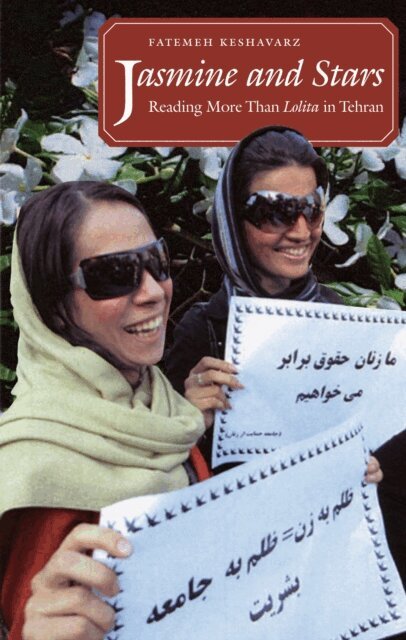
In a direct, frank, and intimate exploration of Iranian literature and society, scholar, teacher, and poet Fatemeh Keshavarz challenges popular perceptions of Iran as a society bereft of vitality and joy. Her fresh perspective on present-day Iran provides a rare insight into this rich culture alive with artistic expression but virtually unknown to most Americans.
Keshavarz introduces readers to two modern Iranian women writers whose strong and articulate voices belie the stereotypical perception of Iranian women as voiceless victims in a country of villains. She follows with a lively critique of the recent best-seller Reading Lolita in Tehran: A Memoir in Books, which epitomizes what Keshavarz calls the “New Orientalist narrative,” a view marred by stereotype and prejudice more often tied to current geopolitical conflicts than to an understanding of Iran.
Blending in firsthand glimpses of her own life — from childhood memories in 1960s Shiraz to her present life as a professor in America — Keshavarz paints a portrait of Iran depicting both cultural depth and intellectual complexity. With a scholar’s expertise and a poet’s hand, she helps amplify the powerful voices of contemporary Iranians and leads readers toward a deeper understanding of the country’s past and present.
Keshavarz introduces readers to two modern Iranian women writers whose strong and articulate voices belie the stereotypical perception of Iranian women as voiceless victims in a country of villains. She follows with a lively critique of the recent best-seller Reading Lolita in Tehran: A Memoir in Books, which epitomizes what Keshavarz calls the “New Orientalist narrative,” a view marred by stereotype and prejudice more often tied to current geopolitical conflicts than to an understanding of Iran.
Blending in firsthand glimpses of her own life — from childhood memories in 1960s Shiraz to her present life as a professor in America — Keshavarz paints a portrait of Iran depicting both cultural depth and intellectual complexity. With a scholar’s expertise and a poet’s hand, she helps amplify the powerful voices of contemporary Iranians and leads readers toward a deeper understanding of the country’s past and present.
Produktinformation
- Utgivningsdatum: 2007-03-05
- Språk: Engelska
- Filformat: PDF
- Kopieringsskydd: LCP
- ISBN: 9798890881892
- Förlag: The University of North Carolina Press
Utforska kategorier
Betyg & recensioner
0 recensioner
Inga recensioner tillgängliga.