
Visar resultat för..."1356"
207 kr
Skickas
99 kr
Läs direkt efter köp

135 kr
Skickas

19 kr
Läs direkt efter köp

239 kr
Lyssna direkt efter köp

78 kr
Läs direkt efter köp

192 kr
Skickas inom 3-6 vardagar

446 kr
Lyssna direkt efter köp
From New York Times bestselling author Bernard Cornwell, now available in paperback—a thrilling tale of danger and conquest at the Battle of Poitiers, 1356 is “a book in which Cornwell’s gifts as scholar and storyteller come together spectacularly.” (Washington Post)
Bernard Cornwell, the ""master of martial fiction"" (Booklist), brings Thomas of Hookton from the popular Grail Quest series into a new adventure in 1356, a thrilling stand-alone novel. On September 19, 1356, a heavily outnumbered English army faced off against the French in the historic Battle of Poitiers. In 1356, Cornwell resurrects this dramatic and bloody struggle—one that would turn out to be the most decisive and improbable victory of the Hundred Years’ War, a clash where the underdog English not only the captured the strategic site of Poitiers, but the French King John II as well. In the vein of Cornwell’s bestselling Agincourt, 1356 is an action-packed story of danger and conquest, rich with military strategy and remarkable characters—both villainous and heroic—transporting readers to the front lines of war while painting a vivid picture of courage, treachery, and combat.

412 kr
Skickas inom 3-6 vardagar
639 kr
Skickas inom 10-15 vardagar

53 kr
Läs direkt efter köp
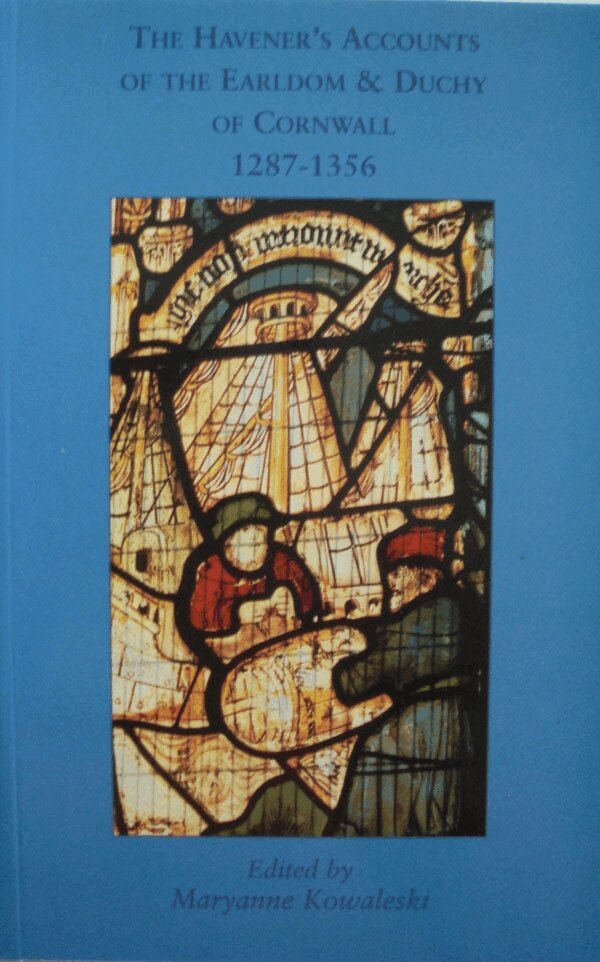
HavenerÆs Accounts of the Earldom and Duchy of Cornwall, 1287-1356
333 kr
Skickas inom 5-8 vardagar
424 kr
Läs direkt efter köp
424 kr
Läs direkt efter köp

442 kr
Skickas inom 5-8 vardagar

314 kr
Skickas inom 5-8 vardagar

471 kr
Skickas inom 5-8 vardagar

446 kr
Skickas inom 5-8 vardagar

357 kr
Skickas inom 5-8 vardagar

319 kr
Skickas inom 5-8 vardagar

573 kr
Skickas inom 5-8 vardagar
446 kr
Skickas inom 5-8 vardagar
367 kr
Skickas inom 7-10 vardagar
1 143 kr
Skickas inom 7-10 vardagar
910 kr
Läs direkt efter köp
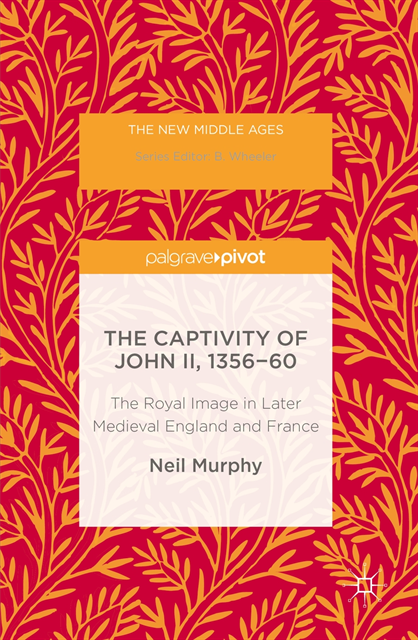
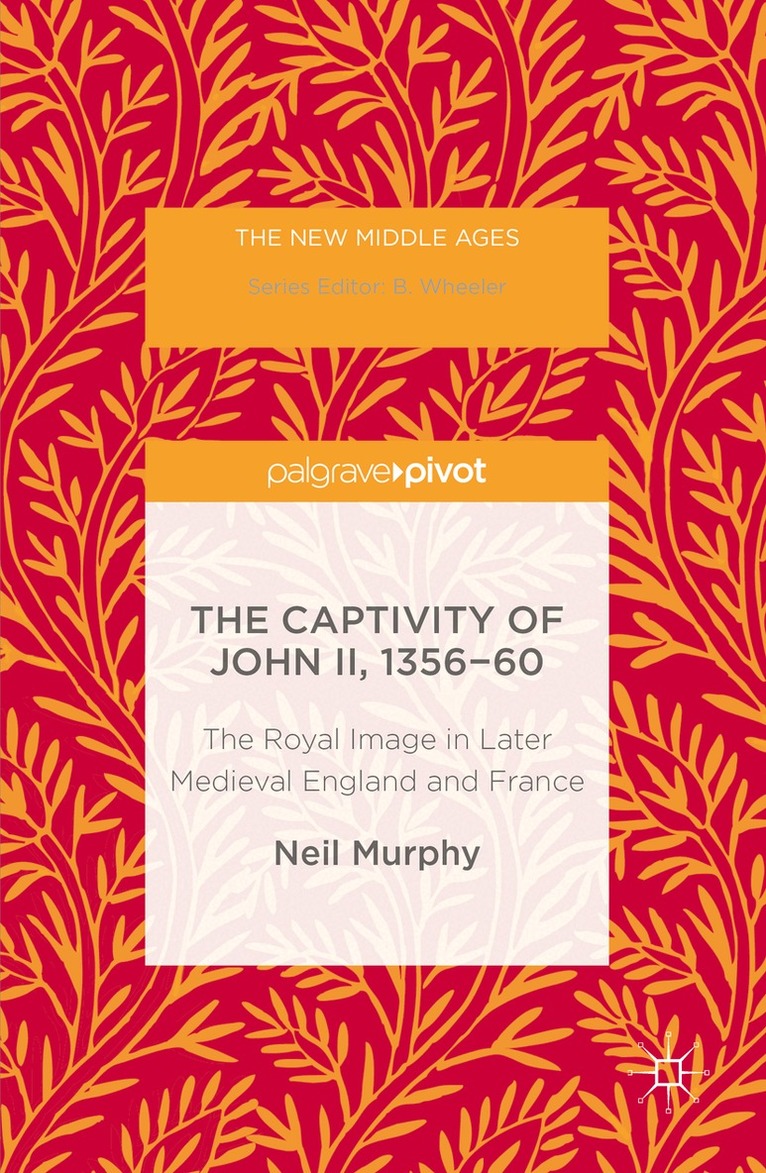
This book provides a systematic analysis of the innovations that occurred in the display of royal power during John II’s four years in English captivity. Neil Murphy shows how the French king’s competition with Edward III led to a revolution in the presentation of the royal image, manifesting through developments to the sacral character of the French monarchy, lavish displays of gift giving, and the use of courtly display. Showing that the Hundred Years War was not just fought on the battlefields of France, this book unravels how the war played out daily in the competition for status between Edward III and John II.
928 kr
Läs direkt efter köp
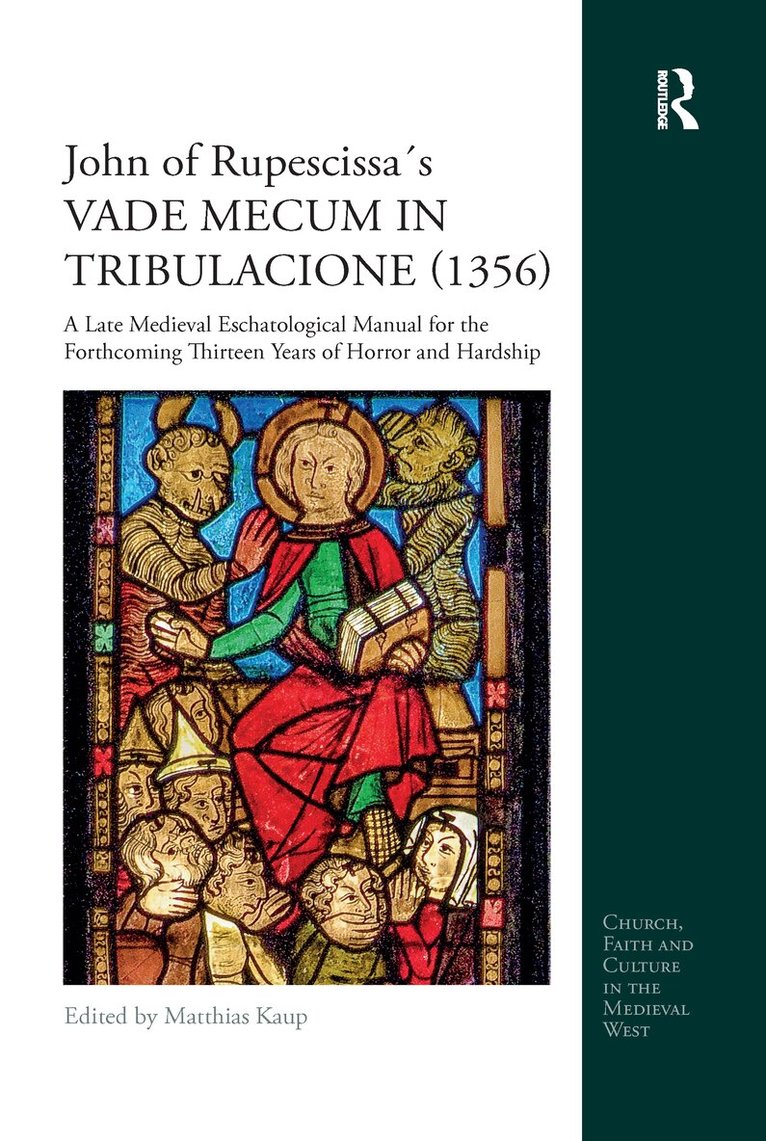
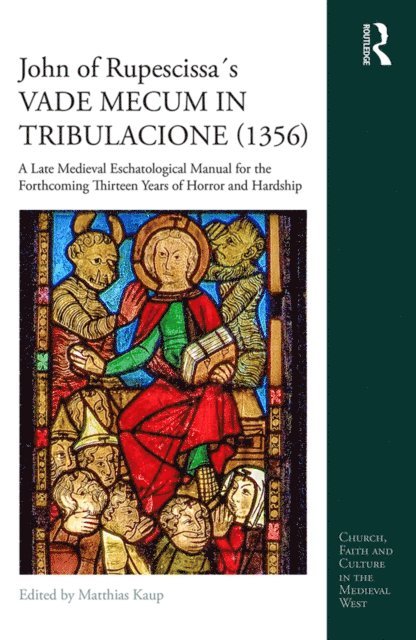
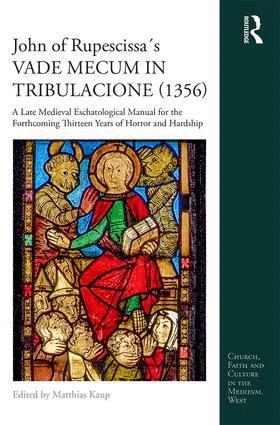
The VADE MECUM IN TRIBULACIONE was meant as an eschatological manual for the thirteen catastrophic years between its composition in December 1356 and the Thousand-Year Reign of Christ expected to begin in 1370. This manual, permeated by passion for clerical reform, was intended to give righteous Christians practical and spiritual advice on how to survive this period of tribulation. Likewise, it aimed to inform them about what to expect from the envoys of Satan, the Western and the Eastern Antichrists, but also from Christ’s warriors, the papal restorer and his secular assistant, the French-Roman Emperor. Moreover, it offered a brief outline of Christ’s Thousand-Year Reign and of Armageddon.
The VADE MECUM was written by John of Rupescissa OFM (c. 1310-1366), the most prolific apocalyptic author of the Middle Ages, as the central work of in all three manuals designed to prepare Christendom for the impending crises. As a completely new text type and summary of the late Rupescissa’s doctrines, this eschatological manual fascinated numerous readers in the Late Middle Ages, who copied, reworked and translated it and made it thus a pivotal text of medieval apocalypticism: ten versions of the Latin VADE MECUM in more than forty manuscripts have come down to us.
Rupescissa’s eschatological manual is his last known and most widely distributed work; the present study provides an annotated critical edition equipped with an English translation. It inducts in the manual’s contents, places them in the context of Rupescissa’s work and medieval prophetic literature, investigates important aspects of its reception and clarifies the relationships between its different versions. Furthermore, it ends with a critical edition of the VENI MECUM IN TRIBULACIONE, the most influential compendious version of the VADE MECUM. Thus this book offers an indispensable fundamental contribution to the flourishing studies of Rupescissa and medieval apocalypticism.
928 kr
Läs direkt efter köp
The VADE MECUM IN TRIBULACIONE was meant as an eschatological manual for the thirteen catastrophic years between its composition in December 1356 and the Thousand-Year Reign of Christ expected to begin in 1370. This manual, permeated by passion for clerical reform, was intended to give righteous Christians practical and spiritual advice on how to survive this period of tribulation. Likewise, it aimed to inform them about what to expect from the envoys of Satan, the Western and the Eastern Antichrists, but also from Christ’s warriors, the papal restorer and his secular assistant, the French-Roman Emperor. Moreover, it offered a brief outline of Christ’s Thousand-Year Reign and of Armageddon.
The VADE MECUM was written by John of Rupescissa OFM (c. 1310-1366), the most prolific apocalyptic author of the Middle Ages, as the central work of in all three manuals designed to prepare Christendom for the impending crises. As a completely new text type and summary of the late Rupescissa’s doctrines, this eschatological manual fascinated numerous readers in the Late Middle Ages, who copied, reworked and translated it and made it thus a pivotal text of medieval apocalypticism: ten versions of the Latin VADE MECUM in more than forty manuscripts have come down to us.
Rupescissa’s eschatological manual is his last known and most widely distributed work; the present study provides an annotated critical edition equipped with an English translation. It inducts in the manual’s contents, places them in the context of Rupescissa’s work and medieval prophetic literature, investigates important aspects of its reception and clarifies the relationships between its different versions. Furthermore, it ends with a critical edition of the VENI MECUM IN TRIBULACIONE, the most influential compendious version of the VADE MECUM. Thus this book offers an indispensable fundamental contribution to the flourishing studies of Rupescissa and medieval apocalypticism.
617 kr
Skickas inom 10-15 vardagar
357 kr
Skickas inom 5-8 vardagar
2 428 kr
Skickas inom 10-15 vardagar