Sökningen "Alfred och Isabella Erik Johansson" gav inga träffar.
6 produkter
Hur sorteras produkterna?
Som standard sorteras produkter på sökresultat- och kategorisidor efter relevans och popularitet. Du kan välja att sortera produkterna på ett flertal andra sätt.
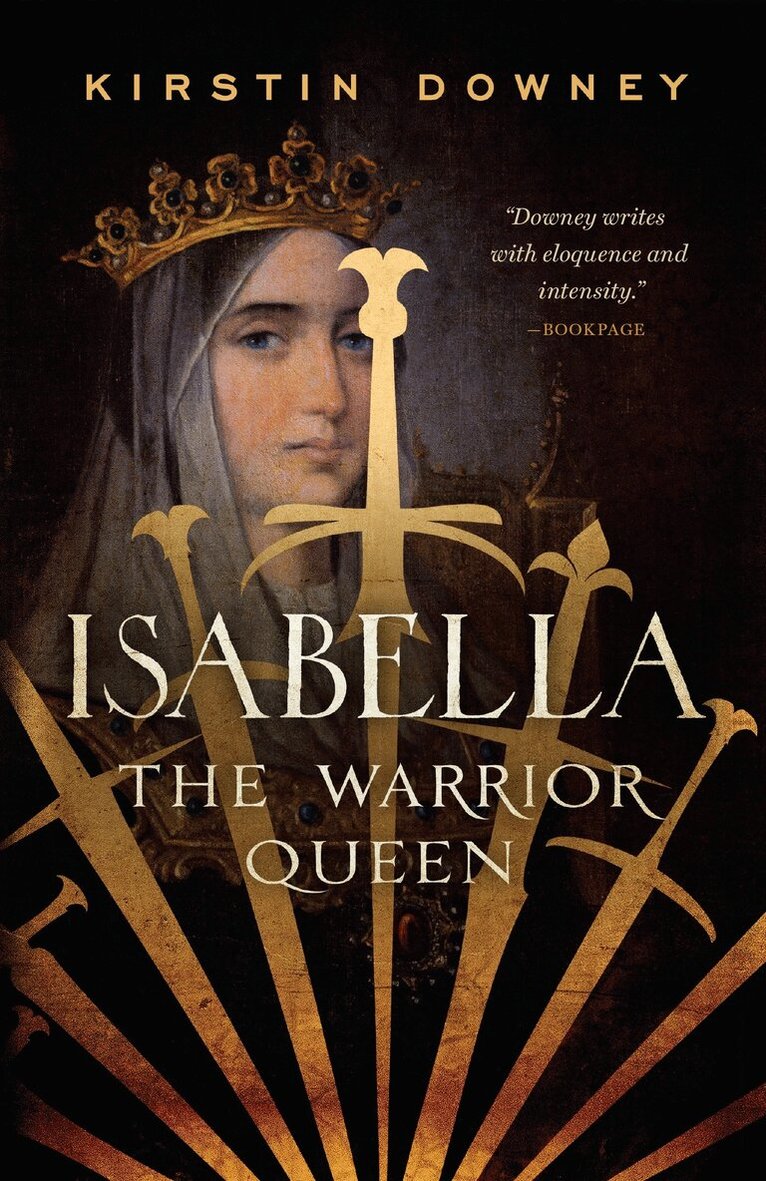
An engrossing and revolutionary biography of Isabella of Castile, the controversial Queen of Spain who sponsored Christopher Columbus's journey to the New World, established the Spanish Inquisition, and became one of the most influential female rulers in history.In 1474, when most women were almost powerless, twenty-three-year-old Isabella defied a hostile brother and a mercurial husband to seize control of Castile and León. Her subsequent feats were legendary. She ended a twenty-four-generation struggle between Muslims and Christians, forcing North African invaders back over the Mediterranean Sea. She laid the foundation for a unified Spain. She sponsored Columbus’s trip to the Indies and negotiated Spanish control over much of the New World. She also annihilated all who stood against her by establishing a bloody religious Inquisition that would darken Spain’s reputation for centuries. Whether saintly or satanic, no female leader has done more to shape our modern world. Yet history has all but forgotten Isabella’s influence. Using new scholarship, Downey’s luminous biography tells the story of this brilliant, fervent, forgotten woman, the faith that propelled her through life, and the land of ancient conflicts and intrigue she brought under her command.
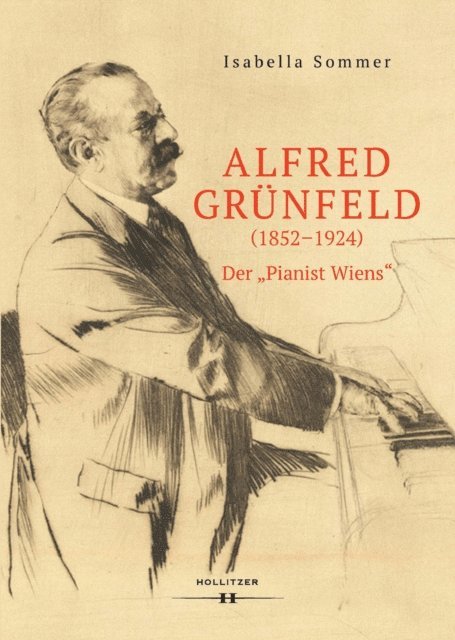
Der Pianist und Komponist Alfred Grünfeld (1852–1924) hat "Wiens musikalischen Gedanken am Flügel vertreten", schreibt Julius Korngold 1924. Als Virtuose, Salonpianist und "Liebling" der High Society trat er vor Familien des jüdischen Großbürgertums, in aristokratischen Häusern sowie an in- und ausländischen Höfen auf. Konzertreisen führten ihn durch Österreich-Ungarn, Deutschland, Russland, Rumänien und in die Vereinigten Staaten.Der Großteil seiner rund 100 Kompositionen, mehrheitlich Salon- und Virtuosenstücke für Klavier, sind heute vergessen, bis auf seine Transkriptionen nach Melodien des mit ihm befreundeten Johann Strauss (z. B. Frühlingsstimmen Walzer). Die Einspielungen, die er – ein Pionier der Tonaufnahme – auf Wachsrollen für Edison Phonograph, Notenrollen für mechanische Klaviere und Schallplatten hinterlassen hat, dokumentieren den "Lyriker am Klavier".Diese erste Alfred Grünfeld-Biografie beleuchtet seine Wirkungsstätten, seine Karrieren und sein Privatleben anhand von Briefen und Erinnerungen, Charakterisierungen von Weggefährten und Zeitungsberichten. Der Anhang veröffentlicht u. a. den Werkkatalog und ein Verzeichnis der von Grünfeld eingespielten Tonträger.Den Humor des Pianisten überliefert eine Anekdote aus"Der Morgen. Wiener Montagsblatt" vom 28. Mai 1923:Bei der Aufführung eines Requiems wirkte Grünfeld mit und als die letzten Akkorde verklungen waren,stürzte ein sich outriert begeistert zeigender Enthusiast auf Grünfeld mit den Worten zu"Meister, wenn ich einmal gestorben bin, muß mich Ihr Spiel begleiten." –"Gut", erwiderte Grünfeld, "was wollen Sie hören?"
Despite there being deep lines of convergence between the philosophies of Alfred North Whitehead, C. S. Peirce, William James, John Dewey, and other classical American philosophers, it remains an open question whether Whitehead is a pragmatist, and conversation between pragmatists and Whitehead scholars have been limited. Indeed, it is difficult to find an anthology of classical American philosophy that includes Whitehead’s writings. These camps began separately, and so they remain. This volume questions the wisdom of that separation, exploring their connections, both historical and in application. The essays in this volume embody original and creative work by leading scholars that not only furthers the understanding of American philosophy, but seeks to advance it by working at the intersection of experience and reality to incite novel and creative thought. This exploration is long overdue. Specific questions that are addressed are: Is Whitehead a pragmatist? What contrasts and affinities exist between American pragmatism and Whitehead’s thought? What new questions, strategies, and critiques emerge by juxtaposing their distinct perspectives?
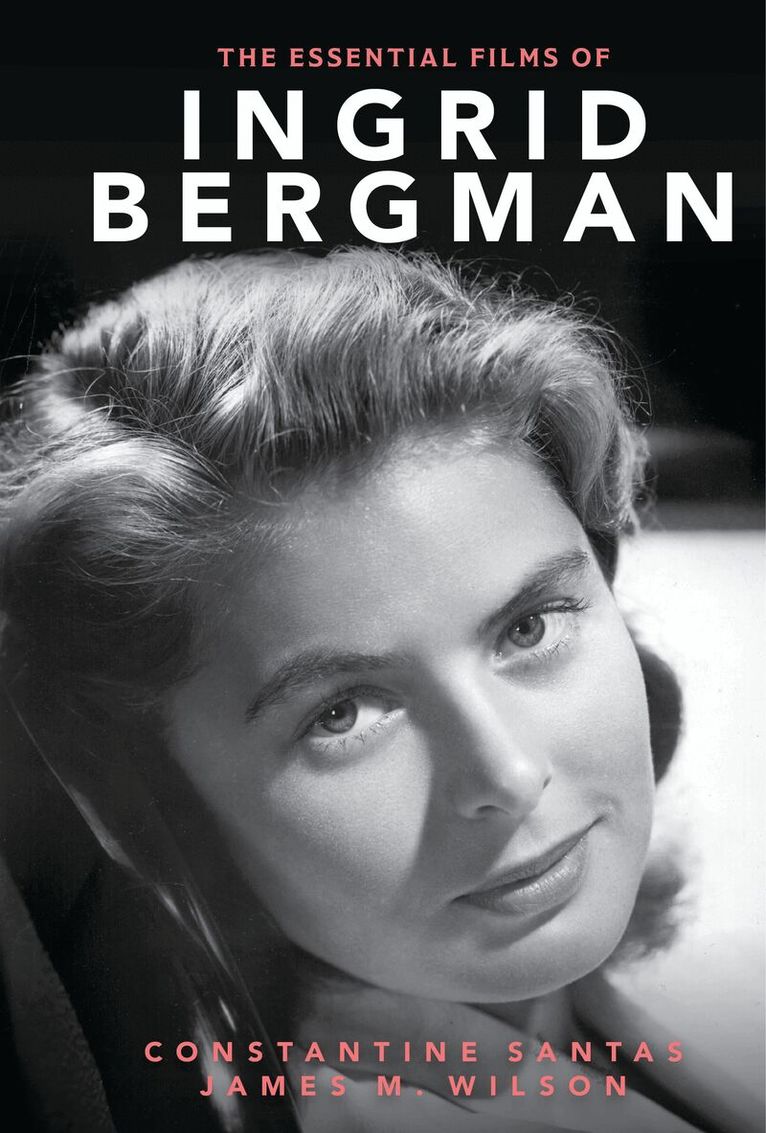
Ingrid Bergman was not only an incomparable beauty but one of the finest actresses of cinema’s Golden Age. She made her start in modest productions in Sweden before Hollywood beckoned and soon became one of filmdom’s brightest stars. She appeared in many acclaimed films including Casablanca, For Whom the Bell Tolls, and Gaslight. While her personal life was briefly tainted by an affair and a consequent falling out with the American public, Bergman was eventually able to return to Hollywood, and eventually earned two of her three Academy Awards.In The Essential Films of Ingrid Bergman, Constantine Santas and James Wilson look at the most notable performances of the award-winning actress’s career. From her early work in Swedish films to her final role in the mini-series A Woman called Golda, this book analyzes the entirety of Bergman’s on-screen career, paying special attention to those aspects of her acting that made her stand out most—her undeniable range of emotion, her stunning vulnerability, and her indisputable beauty. Among the films discussed in this volume are Casablanca, Gaslight, Spellbound, The Bells of St. Mary’s, Notorious, Indiscreet, and Murder on the Orient Express.This volume looks at each of Bergman’s most significant films, covering nearly five decades of film making, from Swedish productions to her final films. Each entry provides production history, plot summaries, film highlights, and major award details. Highlighting more than twenty productions, The Essential Films of Ingrid Bergman is a must-have for every fan of the legendary actress.
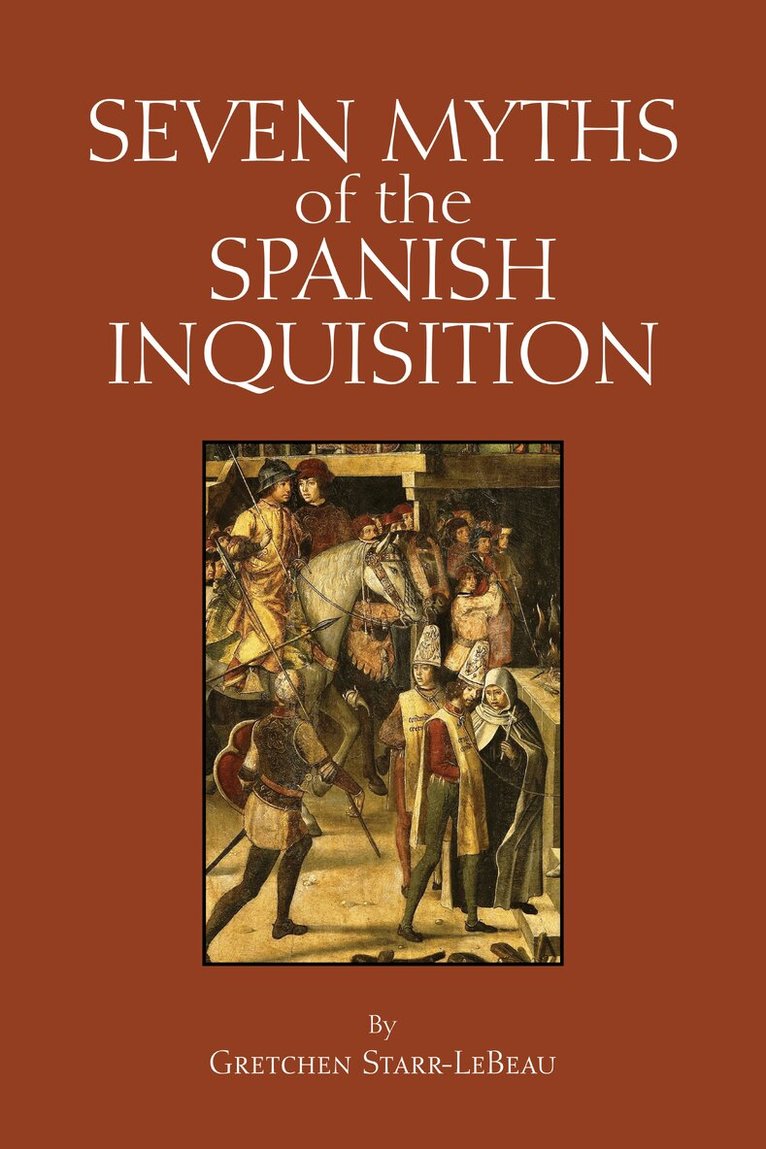
“Gretchen Starr-LeBeau’s Seven Myths of the Spanish Inquisition provides an excellent introduction to Habsburg Spain’s most reviled and misunderstood institution. Drawn from archival sources and modern scholarship, this concise study presents the long and tortured history of the Spanish Inquisition in an accessible format for readers interested in the intersection of religion and jurisprudence. Addressing common misconceptions about the procedures, effectiveness, and reach of the Inquisition, this work argues convincingly for an updated assessment encompassing change over time and variations across Spain and its empire. Students of the early modern period will benefit from the volume’s logical organization, glossary of terms, and suggestions for further reading.”—Benjamin Ehlers, University of Georgia