A. Block – författare
Visar alla böcker från författaren A. Block. Handla med fri frakt och snabb leverans.
15 produkter
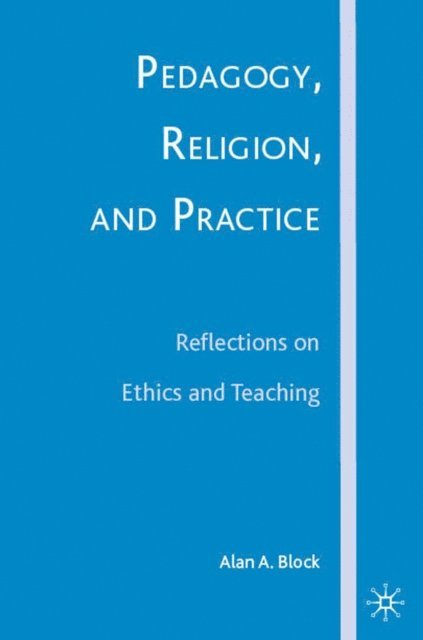
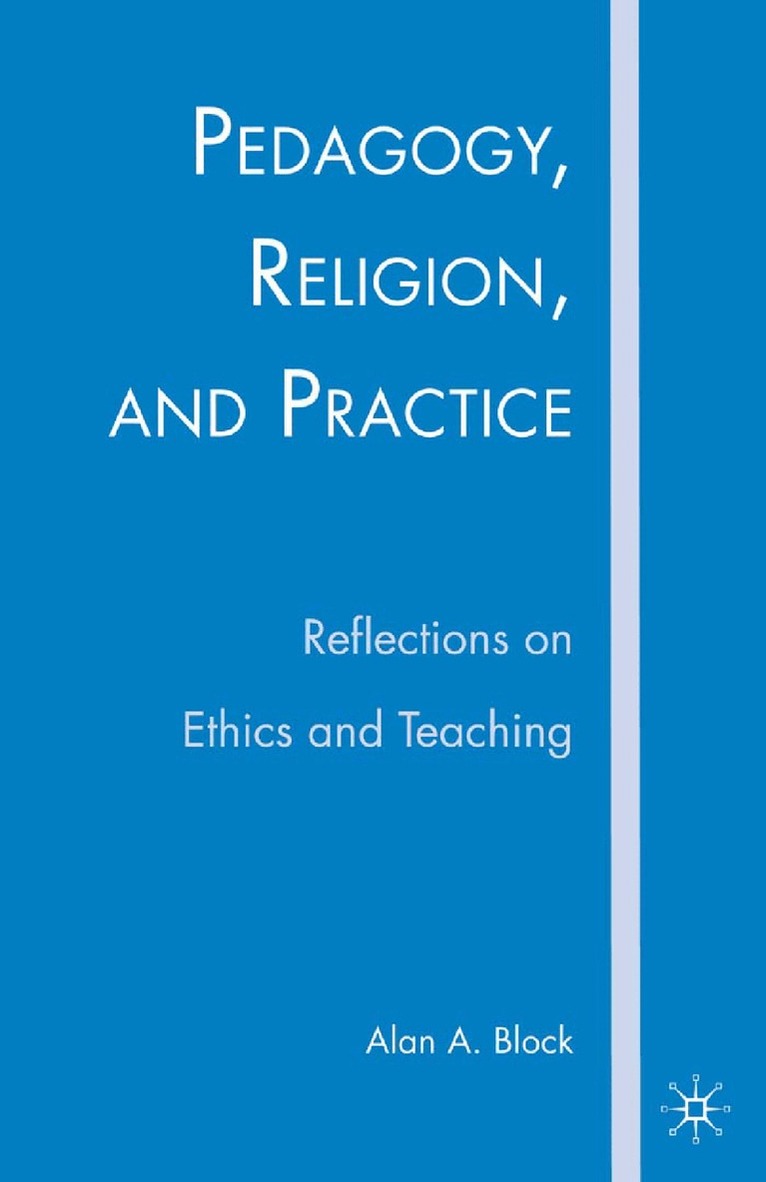
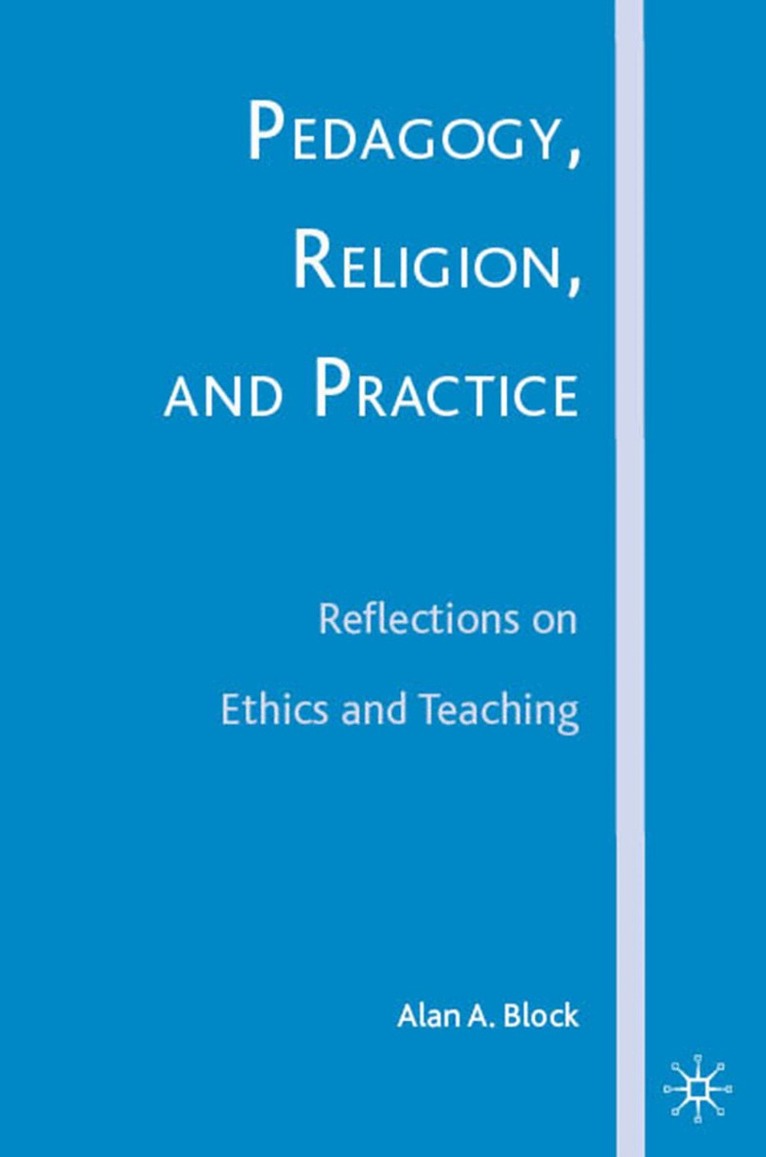
Pedagogy, Religion, and Practice
Reflections on Ethics and Teaching
Av A. Block
E-bok, 2007
741 kr
Lägg i varukorg
This new work from Alan Block explores the contemporary discourses of education, scholarship and learning. The book offers a strong argument for the centrality of ethics in curriculum, scholarship and the classroom, and presents a powerful argument against the present emphasis on standards and …
Ethics and Teaching
A Religious Perspective on Revitalizing Education
Av A. Block
Inbunden, 2009
505 kr
Lägg i varukorg
In this book, Block critically examines the political and social critique now directed at the teaching profession, and to look at some ethical positions the teacher regularly and already takes in the course of her daily life in the classroom.
Ethics and Teaching
A Religious Perspective on Revitalizing Education
Av A. Block
E-bok, 2009
779 kr
Lägg i varukorg
In this book, Block critically examines the political and social critique now directed at the teaching profession, and to look at some ethical positions the teacher regularly and already takes in the course of her daily life in the classroom.
Perspectives on Organizing Crime
Essays in Opposition
Av A. Block
Inbunden, 1990
1093 kr
Lägg i varukorg
than any of the others in this collection. They represent a merging of academic interest with a commitment to environmental activism which occu"ed after several years of research conducted under the wing of the New York State Senate Select Committee on Crime created in the 1960s to investigate …
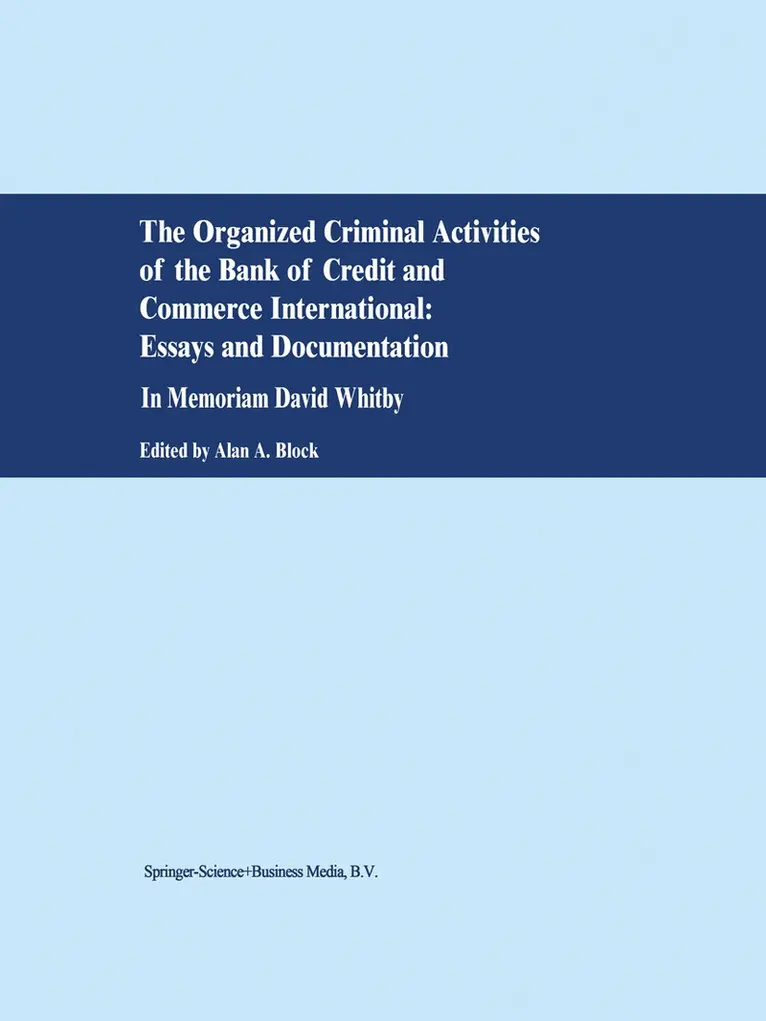
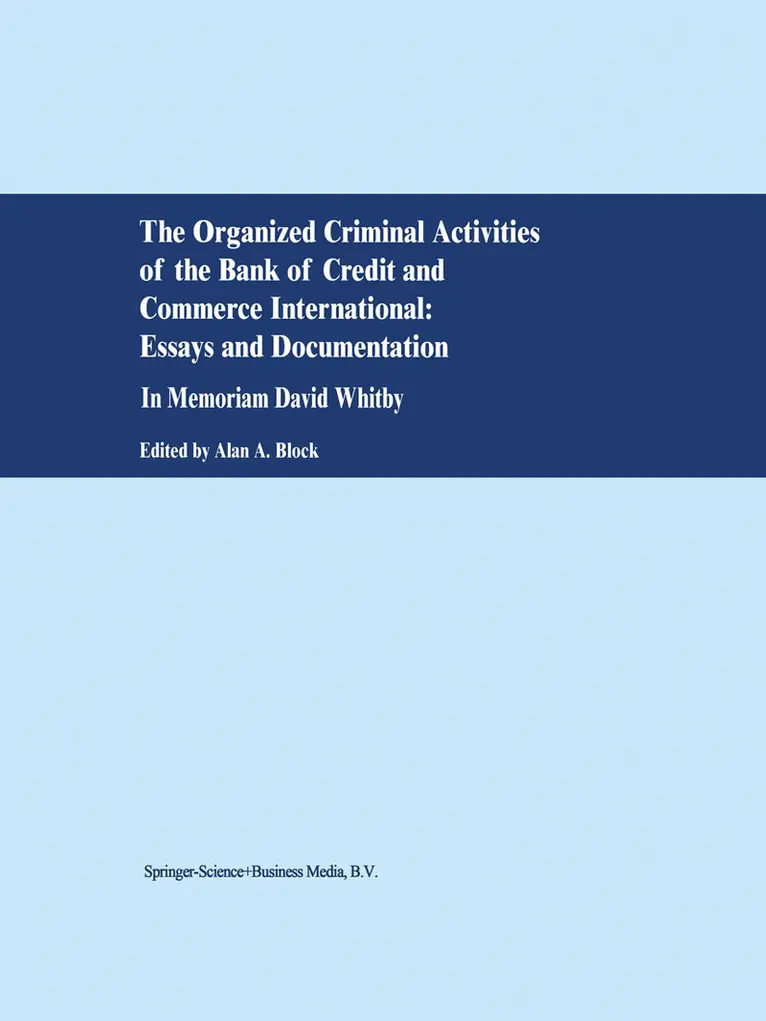
Organized Criminal Activities of the Bank of Credit and Commerce International: Essays and Documentation
In memoriam David Whitby
Av Alan A. Block, David Whitby m. fl.
Inbunden, 2001
1093 kr
Lägg i varukorg
face. As myoid boss when I joined the discout market - who had worked as a "bond-salesman" on Wall Street during the "Great Crash" of 1929, through the Credit Anstalt crash, and served in British military intelligence during the Second World War - always used to say: "Remember! The telephone is not …
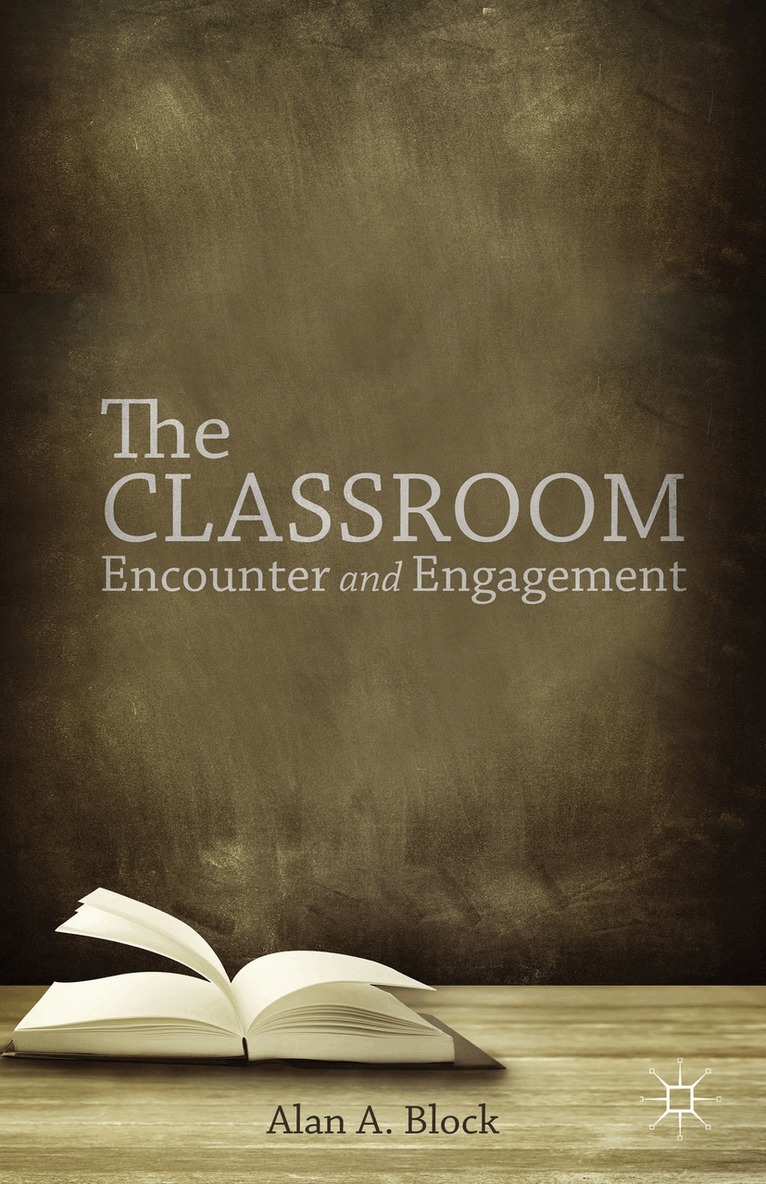
Classroom
Encounter and Engagement
Av A. Block
Inbunden, 2014
491 kr
Lägg i varukorg
What goes on in a classroom? can mean "Are teachers imparting knowledge that will raise test scores?" or it can mean much more. In this series of essays, Block addresses the nature of the classroom as a place for encounter and engagements: with curriculum materials and books, between teachers and …
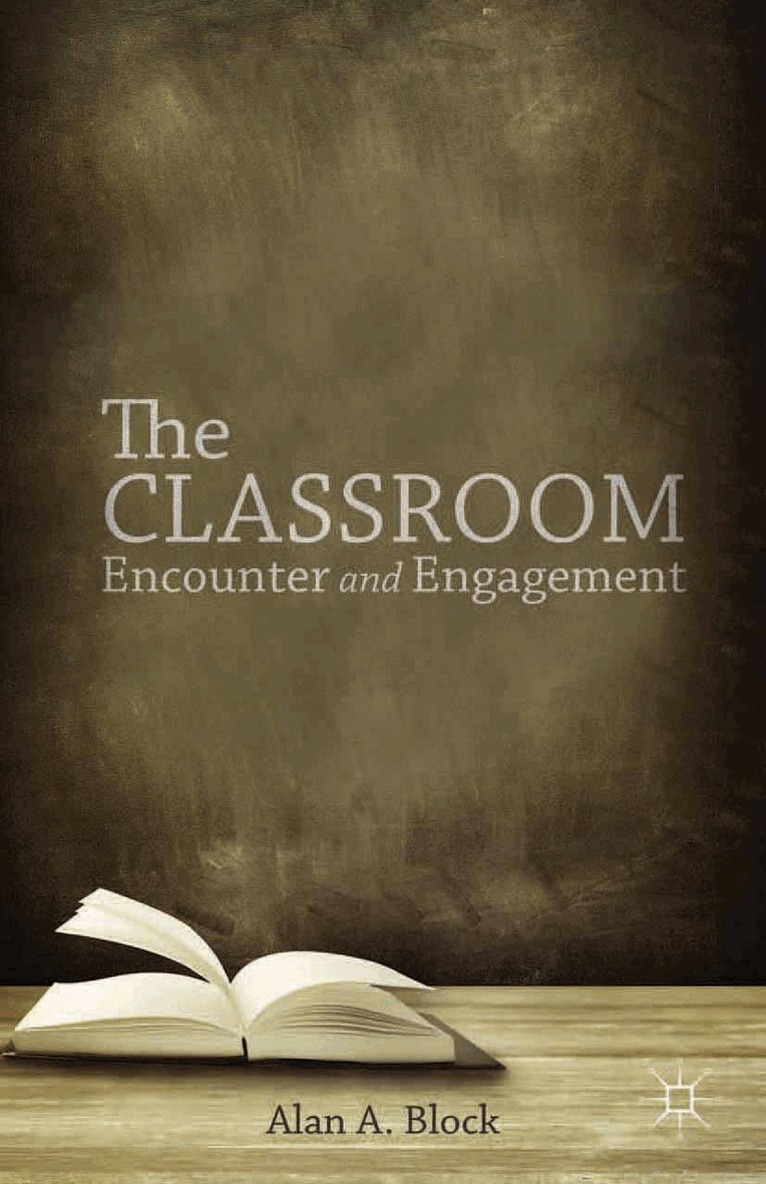
Classroom
Encounter and Engagement
Av A. Block
E-bok, 2014
757 kr
Lägg i varukorg
What goes on in a classroom? can mean "Are teachers imparting knowledge that will raise test scores?" or it can mean much more. In this series of essays, Block addresses the nature of the classroom as a place for encounter and engagements: with curriculum materials and books, between teachers and …
Classroom
Encounter and Engagement
Av A. Block
Häftad, 2014
491 kr
Lägg i varukorg
What goes on in a classroom? can mean "Are teachers imparting knowledge that will raise test scores?" or it can mean much more. In this series of essays, Block addresses the nature of the classroom as a place for encounter and engagements: with curriculum materials and books, between teachers and …
Pedagogy, Religion, and Practice
Reflections on Ethics and Teaching
Av A. Block
Häftad, 2007
505 kr
Lägg i varukorg
This new work from Alan Block explores the contemporary discourses of education, scholarship and learning. The book offers a strong argument for the centrality of ethics in curriculum, scholarship and the classroom, and presents a powerful argument against the present emphasis on standards and …
Pedagogy, Religion, and Practice
Reflections on Ethics and Teaching
Av A. Block
Inbunden, 2007
803 kr
Lägg i varukorg
This new work from Alan Block explores the contemporary discourses of education, scholarship and learning. The book offers a strong argument for the centrality of ethics in curriculum, scholarship and the classroom, and presents a powerful argument against the present emphasis on standards and …
Organized Criminal Activities of the Bank of Credit and Commerce International: Essays and Documentation
In memoriam David Whitby
Av A. Block
Häftad, 2010
1093 kr
Lägg i varukorg
face. As myoid boss when I joined the discout market - who had worked as a "bond-salesman" on Wall Street during the "Great Crash" of 1929, through the Credit Anstalt crash, and served in British military intelligence during the Second World War - always used to say: "Remember! The telephone is not …
Perspectives on Organizing Crime
Essays in Opposition
Av A. Block
Häftad, 2012
1126 kr
Lägg i varukorg
than any of the others in this collection. They represent a merging of academic interest with a commitment to environmental activism which occu"ed after several years of research conducted under the wing of the New York State Senate Select Committee on Crime created in the 1960s to investigate …
Organized Criminal Activities of the Bank of Credit and Commerce International: Essays and Documentation
In memoriam David Whitby
Av A. Block
E-bok, 2013
1459 kr
Lägg i varukorg
face. As myoid boss when I joined the discout market - who had worked as a "bond-salesman" on Wall Street during the "Great Crash" of 1929, through the Credit Anstalt crash, and served in British military intelligence during the Second World War - always used to say: "Remember! The telephone is not …