Abdou Tenkouano – författare
Visar alla böcker från författaren Abdou Tenkouano. Handla med fri frakt och snabb leverans.
6 produkter
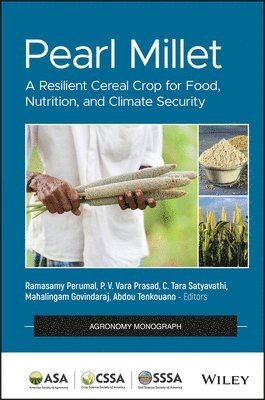
Pearl Millet
A Resilient Cereal Crop for Food, Nutrition, and Climate Security
Av Ramasamy Perumal, P. V. Vara Prasad m. fl.
Inbunden, 2024
1308 kr
Lägg i varukorg
In this age of climate change, discover how pearl millet is considered a viable alternative cereal crop for semi-arid and hot areas Pearl millet, a warm-season, dryland cereal crop, is a staple food for over 90 million people in Africa and Asia. Its nutritional superiority relative to other cereal …
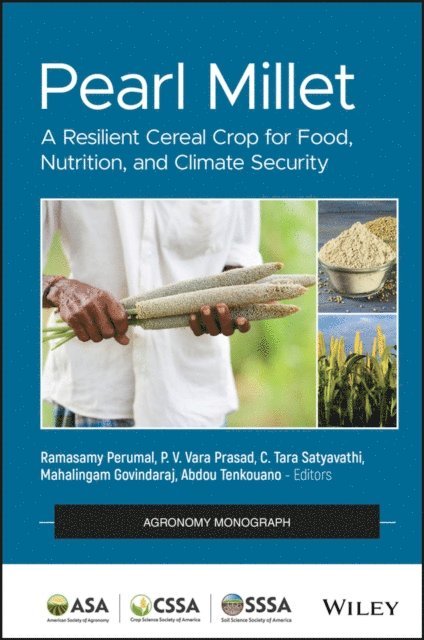
Pearl Millet
A Resilient Cereal Crop for Food, Nutrition, and Climate Security
Av Abdou Tenkouano, Mahalingam Govindaraj m. fl.
E-bok, 2024
1515 kr
Lägg i varukorg
In this age of climate change, discover how pearl millet is considered a viable alternative cereal crop for semi-arid and hot areas Pearl millet , a warm-season, dryland cereal crop, is a staple food for over 90 million people in Africa and Asia. Its nutritional superiority relative to other cereal …
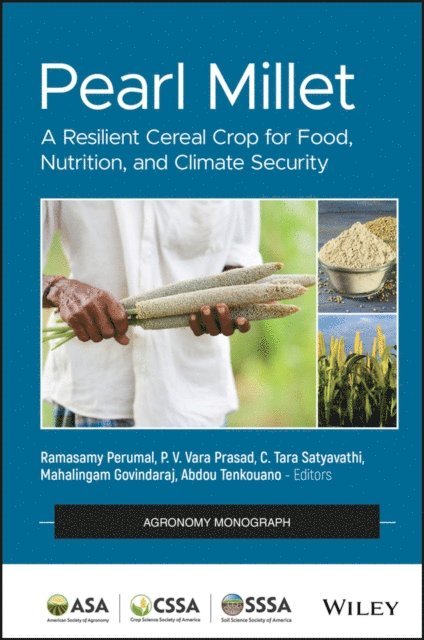
Pearl Millet
A Resilient Cereal Crop for Food, Nutrition, and Climate Security
Av Abdou Tenkouano, Mahalingam Govindaraj m. fl.
E-bok, 2024
1515 kr
Lägg i varukorg
In this age of climate change, discover how pearl millet is considered a viable alternative cereal crop for semi-arid and hot areas Pearl millet , a warm-season, dryland cereal crop, is a staple food for over 90 million people in Africa and Asia. Its nutritional superiority relative to other cereal …
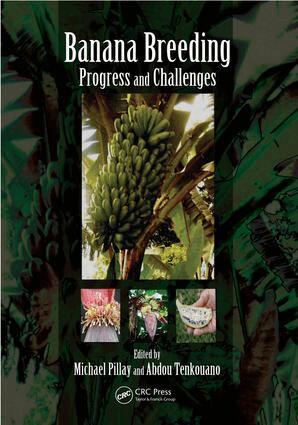
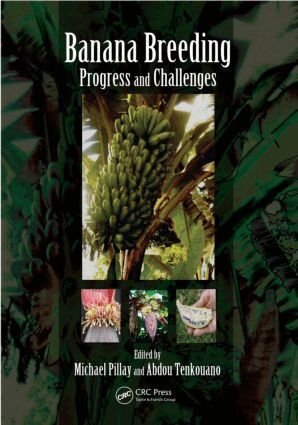
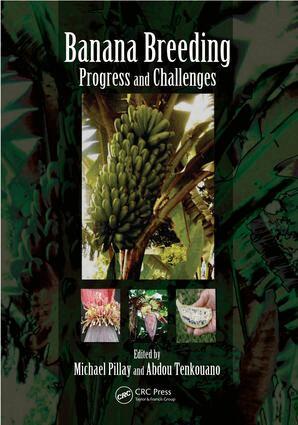
Banana Breeding
Progress and Challenges
Av Michael Pillay, Abdou Tenkouano
E-bok, 2011
3354 kr
Lägg i varukorg
With the current world population growth of 1.2%, the earth can expect to house 9-10 billion people by 2050. Food production, too, must increase to accommodate these numbers. Easy growing, high calorie, nutritious foods, such as bananas are the top priority as a solution to this imminent problem. …
Banana Breeding
Progress and Challenges
Av Michael Pillay, Abdou Tenkouano
Inbunden, 2011
3055 kr
Lägg i varukorg
With the current world population growth of 1.2%, the earth can expect to house 9-10 billion people by 2050. Food production, too, must increase to accommodate these numbers. Easy growing, high calorie, nutritious foods, such as bananas are the top priority as a solution to this imminent problem. …
Banana Breeding
Progress and Challenges
Av Michael Pillay, Abdou Tenkouano
E-bok, 2011
1165 kr
Tillfälligt slut
With the current world population growth of 1.2%, the earth can expect to house 9-10 billion people by 2050. Food production, too, must increase to accommodate these numbers. Easy growing, high calorie, nutritious foods, such as bananas are the top priority as a solution to this imminent problem. …