Abdur Rauf – författare
Visar alla böcker från författaren Abdur Rauf. Handla med fri frakt och snabb leverans.
14 produkter
Functional Benefits of Bioactive Compounds in Foods and Food By-Products
Av Jesus Simal Gandara, Abdur Rauf
Häftad, 2024
1996 kr
Kommande
Functional Benefits of Bioactive Compounds in Foods and Food By-Products discusses the role of functional foods in providing micro and macronutrients and bioactive compounds, all of which improve health and reduce the risk of disease for use in food development. Broken into four parts, the book …
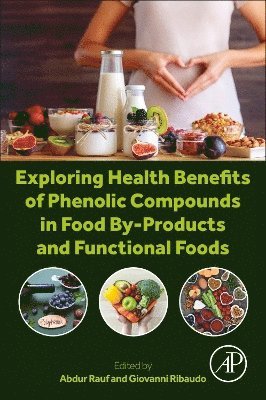
Exploring Health Benefits of Phenolic Compounds in Food By-Products and Functional Foods
Av Abdur Rauf, Giovanni Ribaudo
Häftad, 2026
1740 kr
Kommande
Exploring Health Benefits of Phenolic Compounds in Food By-Products and Functional Foods investigates the diverse sources of bioactive compounds found in various foods and their physiological effects on the human body. This comprehensive volume emphasizes the chemical structures that maximize …
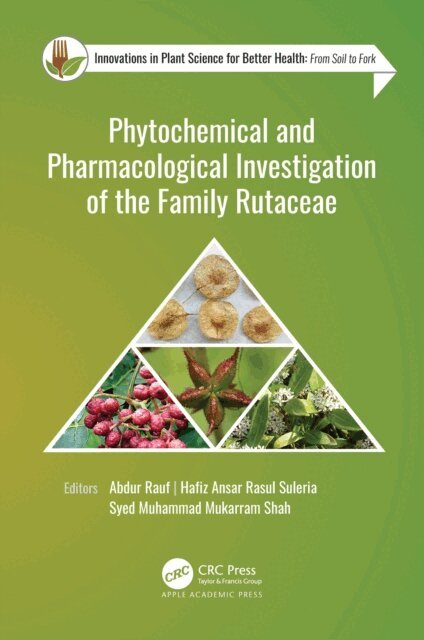
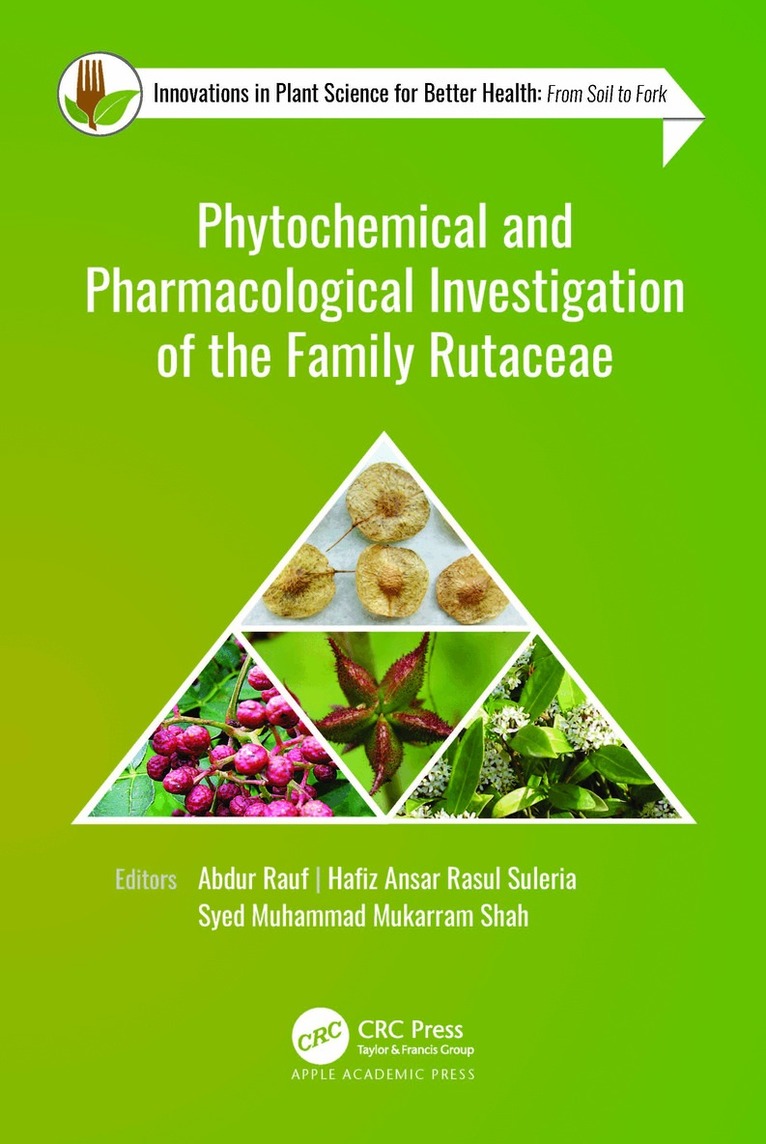
Phytochemical and Pharmacological Investigation of the Family Rutaceae
Av Syed Muhammad Mukarram Shah, Hafiz Ansar Rasul Suleria m. fl.
E-bok, 2024
2565 kr
Lägg i varukorg
This new volume provides comprehensive coverage of the family Rutaceae, emphasizing its diverse phytochemistry and medicinal uses.The volume provides an introduction to the family Rutaceae and then goes on to delineate its phytochemical and pharmacological properties and uses. Also addressed are …
Phytochemical and Pharmacological Investigation of the Family Rutaceae
Av Syed Muhammad Mukarram Shah, Hafiz Ansar Rasul Suleria m. fl.
E-bok, 2024
2565 kr
Lägg i varukorg
This new volume provides comprehensive coverage of the family Rutaceae, emphasizing its diverse phytochemistry and medicinal uses.The volume provides an introduction to the family Rutaceae and then goes on to delineate its phytochemical and pharmacological properties and uses. Also addressed are …
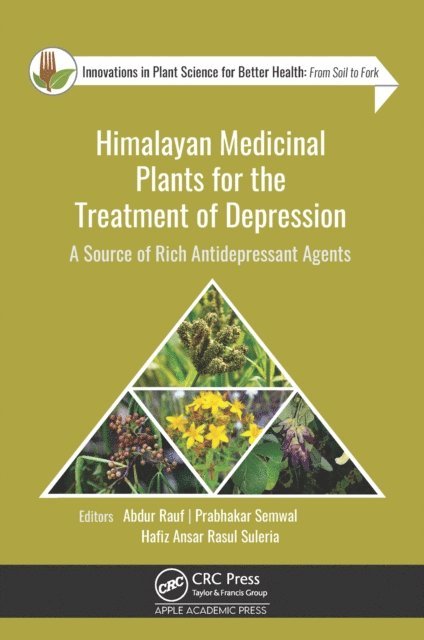
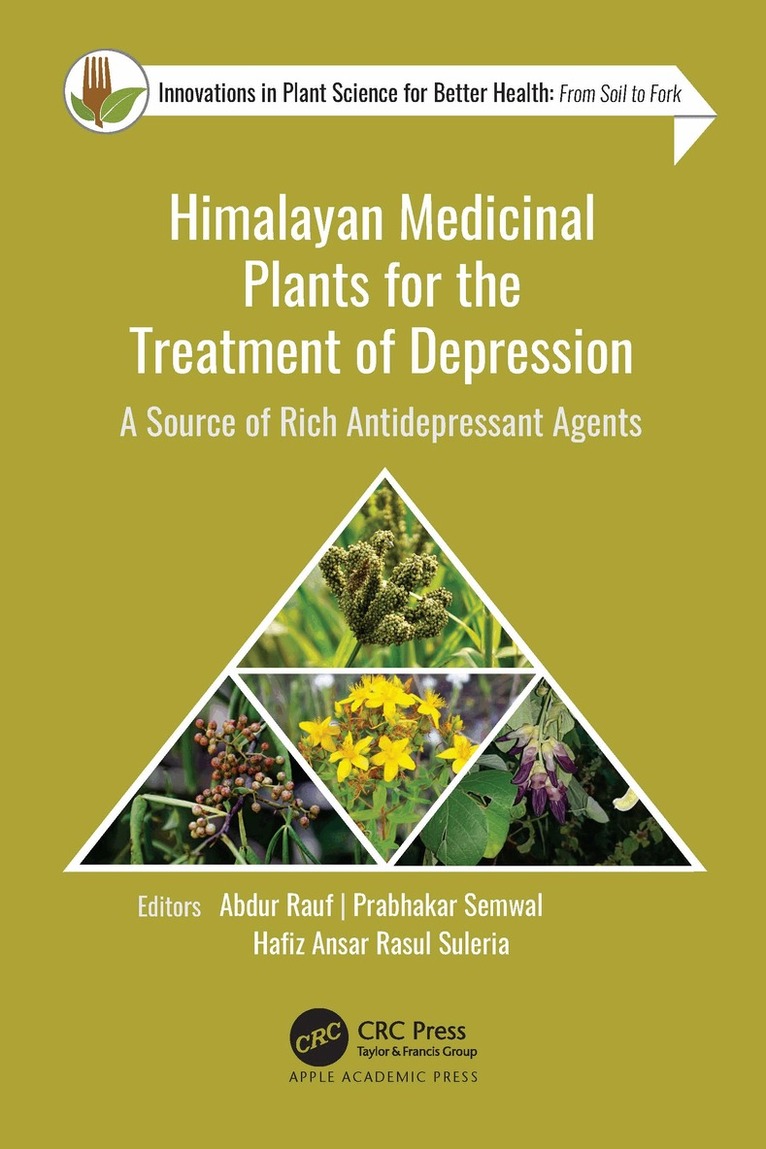
Himalayan Medicinal Plants for the Treatment of Depression
A Source of Rich Antidepressant Agents
Av Hafiz Ansar Rasul Suleria, Prabhakar Semwal m. fl.
E-bok, 2024
2675 kr
Lägg i varukorg
Plants are a source of bioactive compounds that act as important components in medicines. The Himalayan region especially has been found to be brimming with medicinal plants that have the potential to prevent as well as cure a number of diseases. This new book, Himalayan Medicinal Plants for the …
Himalayan Medicinal Plants for the Treatment of Depression
A Source of Rich Antidepressant Agents
Av Hafiz Ansar Rasul Suleria, Prabhakar Semwal m. fl.
E-bok, 2024
2675 kr
Lägg i varukorg
Plants are a source of bioactive compounds that act as important components in medicines. The Himalayan region especially has been found to be brimming with medicinal plants that have the potential to prevent as well as cure a number of diseases. This new book, Himalayan Medicinal Plants for the …
Phytochemical and Pharmacological Investigation of the Family Rutaceae
Av Abdur Rauf, Hafiz Ansar Rasul Suleria m. fl.
Inbunden, 2024
2205 kr
Lägg i varukorg
This new volume provides comprehensive coverage of the family Rutaceae, emphasizing its diverse phytochemistry and medicinal uses.The volume provides an introduction to the family Rutaceae and then goes on to delineate its phytochemical and pharmacological properties and uses. Also addressed are …
Himalayan Medicinal Plants for the Treatment of Depression
A Source of Rich Antidepressant Agents
Av Abdur Rauf, Prabhakar Semwal m. fl.
Inbunden, 2024
2250 kr
Lägg i varukorg
Plants are a source of bioactive compounds that act as important components in medicines. The Himalayan region especially has been found to be brimming with medicinal plants that have the potential to prevent as well as cure a number of diseases. This new book, Himalayan Medicinal Plants for the …
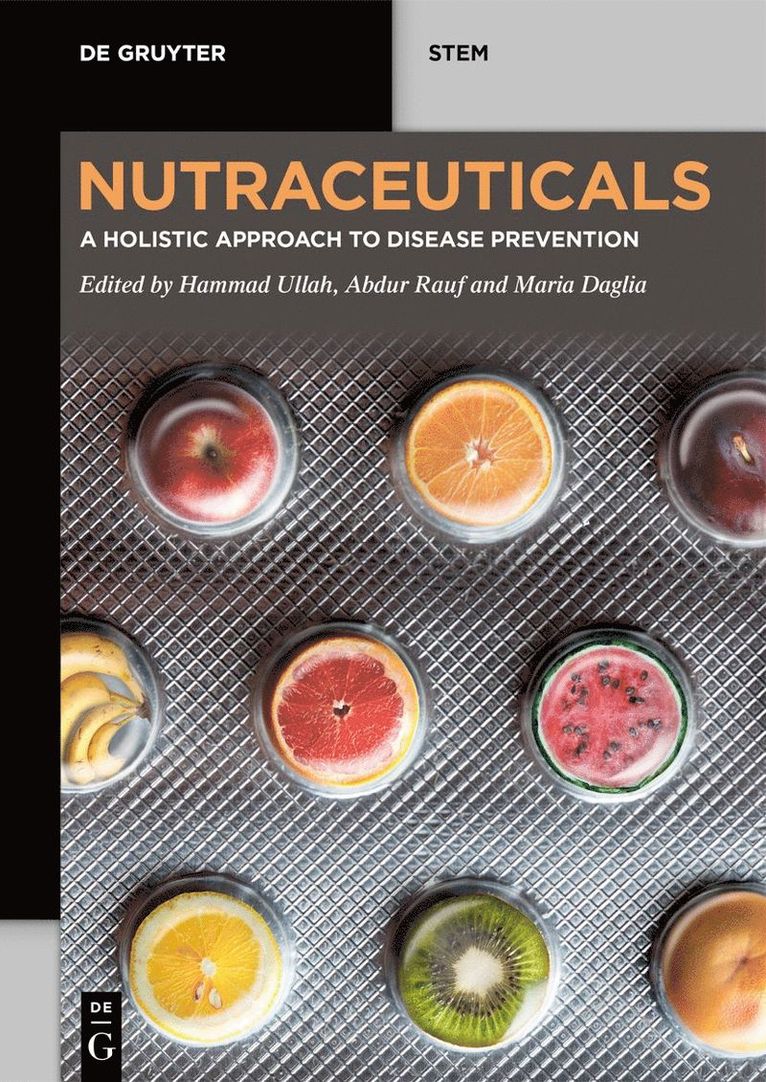
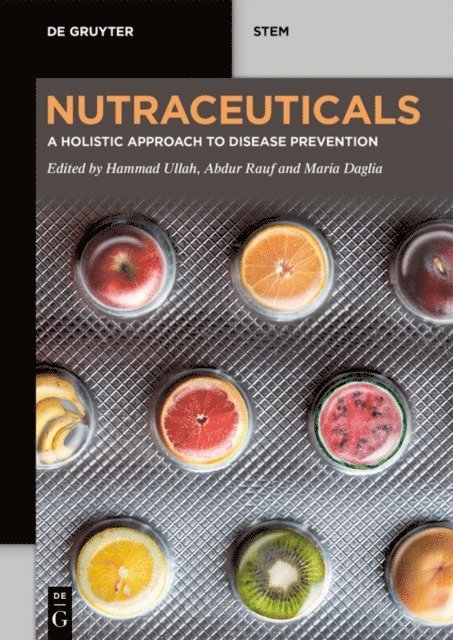
Nutraceuticals
A Holistic Approach to Disease Prevention
Av Hammad Ullah, Abdur Rauf m. fl.
Häftad, 2024
1037 kr
Lägg i varukorg
The term nutraceuticals is applied to the products isolated from the herbal sources, nutrients or dietary supplements, processed foods, (cereals, soup and beverages) and specific diets, that may also used as medicine other than nutrition. It usually refers to the foods derived products which may …
Nutraceuticals
A Holistic Approach to Disease Prevention
Av Maria Daglia, Abdur Rauf m. fl.
E-bok, 2024
1319 kr
Lägg i varukorg
The term nutraceuticals is applied to the products isolated from the herbal sources, nutrients or dietary supplements, processed foods, (cereals, soup and beverages) and specific diets, that may also used as medicine other than nutrition. It usually refers to the foods derived products which may …
Nutraceuticals
A Holistic Approach to Disease Prevention
Av Maria Daglia, Abdur Rauf m. fl.
E-bok, 2024
1277 kr
Lägg i varukorg
The term nutraceuticals is applied to the products isolated from the herbal sources, nutrients or dietary supplements, processed foods, (cereals, soup and beverages) and specific diets, that may also used as medicine other than nutrition. It usually refers to the foods derived products which may …
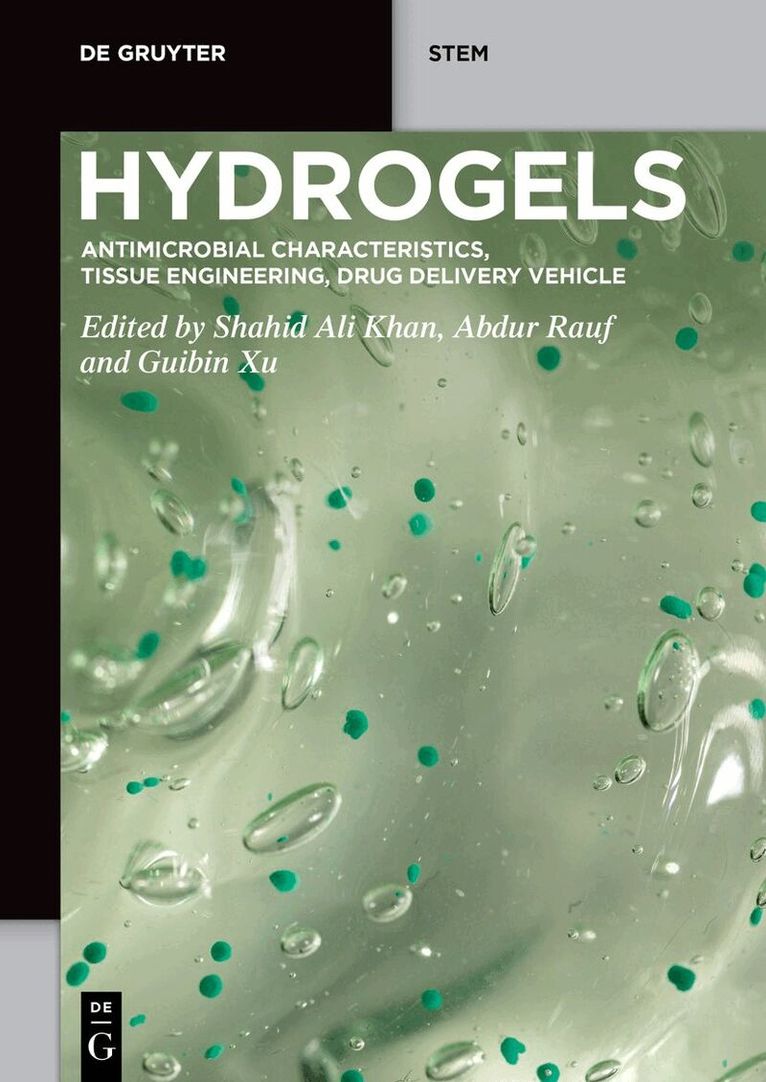
Hydrogels
Antimicrobial Characteristics, Tissue Engineering, Drug Delivery Vehicle
Av Shahid Ali Khan, Abdur Rauf m. fl.
Häftad, 2024
918 kr
Lägg i varukorg
With the advancement in medicinal chemistry and material science, several highly specific, biocompatible and non-toxic therapeutic agents have been discovered and successfully applied for various clinical applications. Many of the conventional constraints of clinical therapies have been replaced …
Hydrogels
Antimicrobial Characteristics, Tissue Engineering, Drug Delivery Vehicle
Av Guibin Xu, Abdur Rauf m. fl.
E-bok, 2024
1153 kr
Lägg i varukorg
With the advancement in medicinal chemistry and material science, several highly specific, biocompatible and non-toxic therapeutic agents have been discovered and successfully applied for various clinical applications. Many of the conventional constraints of clinical therapies have been replaced …
Hydrogels
Antimicrobial Characteristics, Tissue Engineering, Drug Delivery Vehicle
Av Guibin Xu, Abdur Rauf m. fl.
E-bok, 2024
1186 kr
Lägg i varukorg
With the advancement in medicinal chemistry and material science, several highly specific, biocompatible and non-toxic therapeutic agents have been discovered and successfully applied for various clinical applications. Many of the conventional constraints of clinical therapies have been replaced …