Abraham J. Domb – författare
967 kr
Skickas inom 10-15 vardagar
2 060 kr
Skickas inom 11-20 vardagar
901 kr
Läs direkt efter köp
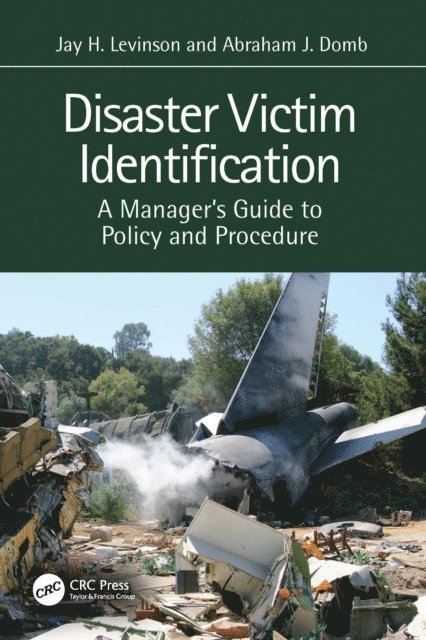
Disaster Victim Identification: A Manager’s Guide to Policy and Procedure’s guiding thesis explains why disaster victim identification (DVI) must be fundamentally integrated—at the outset—into general disaster planning and operations procedures. By doing so, it allows for pre-event assessment of any risks and vulnerabilities, in coordination with planning and response agencies, so that the on-site response isn’t the first time they have communicated and worked together.
The book outlines the importance of exercising, interagency memoranda of understanding (MOU), and coordination in advance to provide the best, most effective response that optimally serves both the victims and the community. DVI requires a multi-disciplinary approach and, as such, plans should take into consideration and account for possible integration of outside assistance into the general work plan and flow. By doing this, practical action and measures—sometimes coordinated impromptu depending on the nature and scale of a disaster—can be undertaken both quickly and seamlessly.
Coverage outlines the overall DVI process, its various methodologies, and how it serves as an integral part of overall disaster response. Disaster Victim Identification brings together the expertise of two professionals with longstanding, extensive first-hand experience in the field. This includes working at, as well as supervising coordination of, DVI response to such scenes. The book will be a welcome addition to professionals by examining what works, what doesn’t, and how to maintain best practices while avoiding common mistakes.
901 kr
Läs direkt efter köp
Disaster Victim Identification: A Manager’s Guide to Policy and Procedure’s guiding thesis explains why disaster victim identification (DVI) must be fundamentally integrated—at the outset—into general disaster planning and operations procedures. By doing so, it allows for pre-event assessment of any risks and vulnerabilities, in coordination with planning and response agencies, so that the on-site response isn’t the first time they have communicated and worked together.
The book outlines the importance of exercising, interagency memoranda of understanding (MOU), and coordination in advance to provide the best, most effective response that optimally serves both the victims and the community. DVI requires a multi-disciplinary approach and, as such, plans should take into consideration and account for possible integration of outside assistance into the general work plan and flow. By doing this, practical action and measures—sometimes coordinated impromptu depending on the nature and scale of a disaster—can be undertaken both quickly and seamlessly.
Coverage outlines the overall DVI process, its various methodologies, and how it serves as an integral part of overall disaster response. Disaster Victim Identification brings together the expertise of two professionals with longstanding, extensive first-hand experience in the field. This includes working at, as well as supervising coordination of, DVI response to such scenes. The book will be a welcome addition to professionals by examining what works, what doesn’t, and how to maintain best practices while avoiding common mistakes.
2 438 kr
Skickas inom 10-15 vardagar
926 kr
Skickas inom 10-15 vardagar
2 346 kr
Läs direkt efter köp
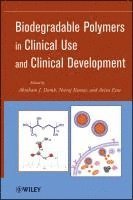
The purpose of this book is to provide updated status of the polymers that are clinical use and those that are now being developed for clinical use and hopefully will reach the clinic during the next 5 years. The book provides information that of interest to academics and practicing researchers including chemists, biologists and bioengineers and users: physicians, pharmacists.
2 313 kr
Läs direkt efter köp
The purpose of this book is to provide updated status of the polymers that are clinical use and those that are now being developed for clinical use and hopefully will reach the clinic during the next 5 years. The book provides information that of interest to academics and practicing researchers including chemists, biologists and bioengineers and users: physicians, pharmacists.
1 671 kr
Skickas inom 10-15 vardagar
2 110 kr
Läs direkt efter köp
1 671 kr
Skickas inom 10-15 vardagar
3 165 kr
Skickas inom 5-8 vardagar
2 832 kr
Läs direkt efter köp
With the need to combat emerging infectious diseases, research around antimicrobial biomaterials and their applications is booming. This book provides the field with a much-needed fundamental overview of the science, addressing the chemistry of a broad range of biomaterial types, and their applications in the biomedical industry.
Materials covered include polymers, from those with inherent antimicrobial activity to those that release antimicrobial agents, antimicrobial ceramics and inorganic compounds, such as metal based antimicrobial additives, and the developing field of biomimetic materials, are discussed. Surfaces, coatings and adhesives are covered, whilst the applications of these antimicrobial materials in biomedical applications, from catheters to orthopaedics, dentistry to ophthalmology, are explored.
Edited by international leaders and with contributions from the best in the field, this book is the go-to resource for graduates and researchers in biomaterials science, biomedical engineering, chemical engineering, and materials and polymer chemistry.
2 832 kr
Läs direkt efter köp
With the need to combat emerging infectious diseases, research around antimicrobial biomaterials and their applications is booming. This book provides the field with a much-needed fundamental overview of the science, addressing the chemistry of a broad range of biomaterial types, and their applications in the biomedical industry.
Materials covered include polymers, from those with inherent antimicrobial activity to those that release antimicrobial agents, antimicrobial ceramics and inorganic compounds, such as metal based antimicrobial additives, and the developing field of biomimetic materials, are discussed. Surfaces, coatings and adhesives are covered, whilst the applications of these antimicrobial materials in biomedical applications, from catheters to orthopaedics, dentistry to ophthalmology, are explored.
Edited by international leaders and with contributions from the best in the field, this book is the go-to resource for graduates and researchers in biomaterials science, biomedical engineering, chemical engineering, and materials and polymer chemistry.
3 622 kr
Skickas inom 5-8 vardagar
3 149 kr
Läs direkt efter köp
Polysaccharides are natural, renewable materials that are biodegradable and biocompatible, making them ideal subjects for biomedical applications. This book focusses on the main polysaccharides, including but not limited to chitosan, cellulose, alginate, dextran, guar gum, gellan gum, pullulan, locust bean gum, pectin, xanthan gum, starch, hyaluronan and carrageenan, and their applications in drug delivery, imaging and tissue engineering. With contributions from around the world, the editors have pulled together a tightly curated set of chapters which showcase how polysaccharide-based materials are employed in a range of biomedical systems. The end result is a book in which the reader can gain a sound overview of this important class of material for biomedical applications, without scouring journal articles. Those working in materials science, biomedical and chemical engineering, and pharmaceutical technologies will find this a must-have reference.
3 038 kr
Läs direkt efter köp
Polysaccharides are natural, renewable materials that are biodegradable and biocompatible, making them ideal subjects for biomedical applications. This book focusses on the main polysaccharides, including but not limited to chitosan, cellulose, alginate, dextran, guar gum, gellan gum, pullulan, locust bean gum, pectin, xanthan gum, starch, hyaluronan and carrageenan, and their applications in drug delivery, imaging and tissue engineering. With contributions from around the world, the editors have pulled together a tightly curated set of chapters which showcase how polysaccharide-based materials are employed in a range of biomedical systems. The end result is a book in which the reader can gain a sound overview of this important class of material for biomedical applications, without scouring journal articles. Those working in materials science, biomedical and chemical engineering, and pharmaceutical technologies will find this a must-have reference.