Achim Lichtenberger – författare
Visar alla böcker från författaren Achim Lichtenberger. Handla med fri frakt och snabb leverans.
13 produkter
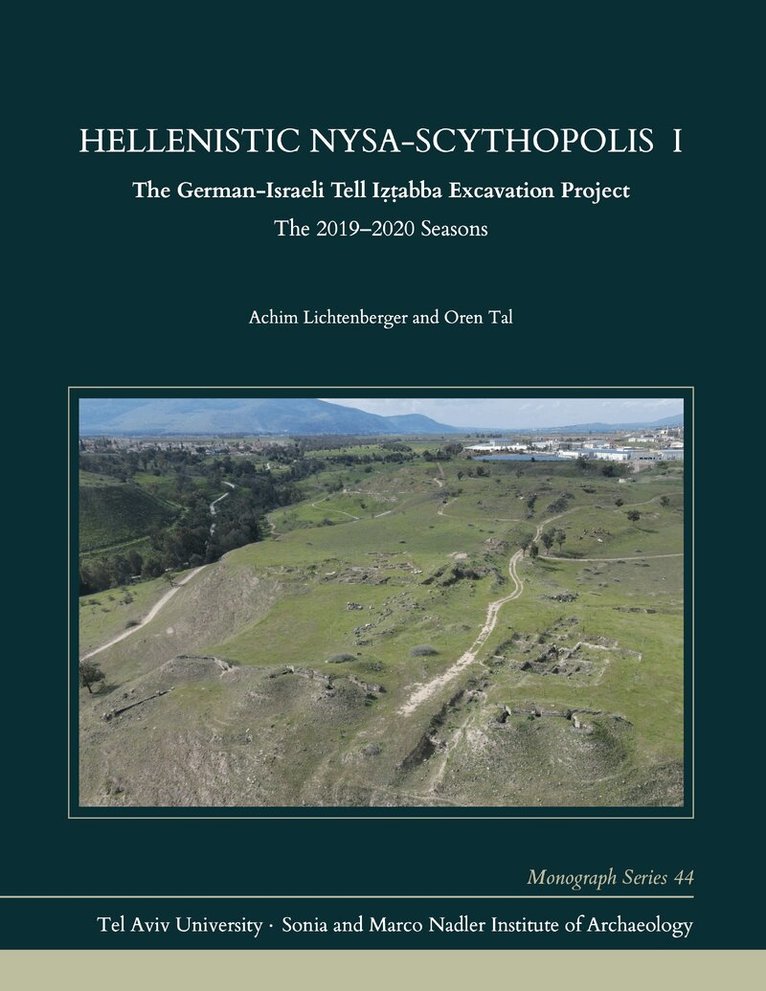
Hellenistic Nysa-Scythopolis I
The German-Israeli Tell Iẓṭabba Excavation Project, the 2019–2020 Seasons
Av Achim Lichtenberger, Oren Tal
Inbunden, 2025
1009 kr
Lägg i varukorg
This book deals with the first three campaigns of the German-Israeli Tell Iẓṭabba Excavation Project, conducted by the Institute for Classical Archaeology and Christian Archaeology / Archaeological Museum of the University of Münster and the Sonia and Marco Nadler Institute of Archaeology of Tel …
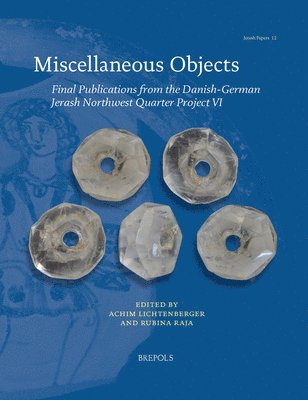
Miscellaneous Objects: Final Publications from the Danish-German Jerash Northwest Quarter Project VI
Av Achim Lichtenberger, Rubina Raja
Häftad
1978 kr
Lägg i varukorg
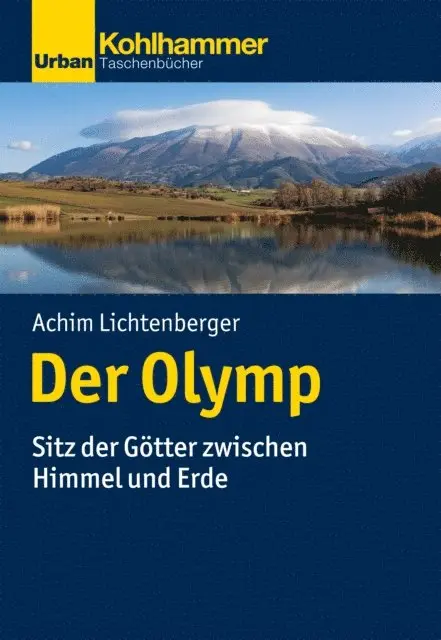
Der Olymp
Sitz der Götter zwischen Himmel und Erde
E-bok, 2021
283 kr
Lägg i varukorg
The highest mountain in Greece and also the seat of the ancient Greek gods, Olympus has been more or less omnipresent in mythology since ancient times. Over the ages, the concept of it has fluctuated elusively between the real mountain and the supernatural seat of the gods. The idea of it as the …
50 Jahre - 50 Antiken in Den Kunstsammlungen Der Ruhr-Universitat Bochum
Av Christof Berns, Achim Lichtenberger
Häftad
266 kr
Lägg i varukorg
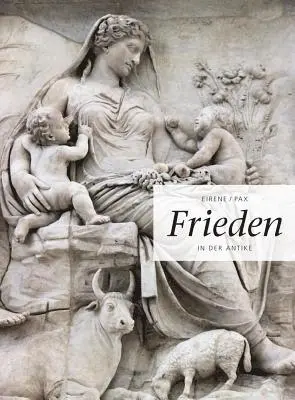
Eirene/Pax: Frieden in Der Antike
Av Achim Lichtenberger, H-Helge Nieswandt
Häftad
373 kr
Lägg i varukorg
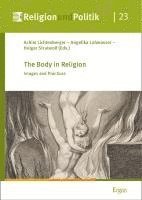
The Body in Religion
Av Achim Lichtenberger, Angelika Lohwasser m. fl.
Inbunden, 2025
1492 kr
Lägg i varukorg
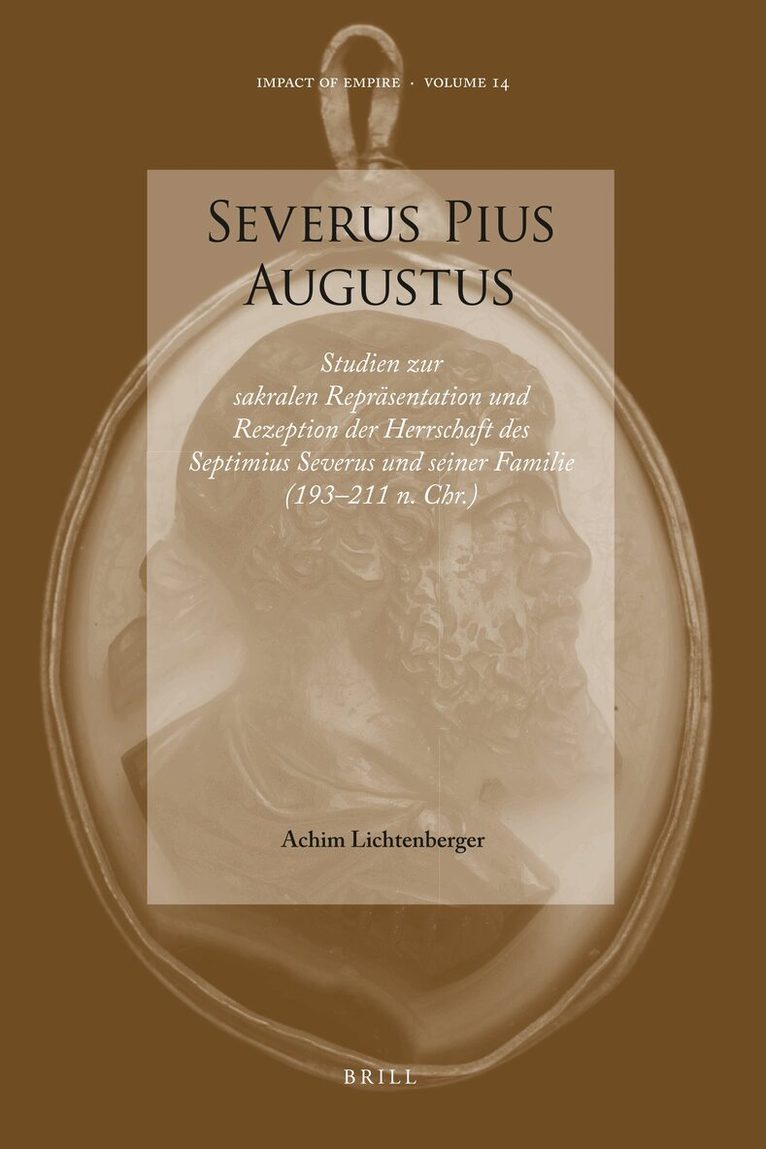
Severus Pius Augustus
Studien zur sakralen Repräsentation und Rezeption der Herrschaft des Septimius Severus und seiner Familie (193–211 n. Chr.)
Inbunden, 2011
4245 kr
Lägg i varukorg
The Roman Emperor Septimius Severus (193-211 A.D.) originated from the North-African town of Lepcis Magna. His reign is seen as a time in which profound changes within Roman society became evident resulting in many provincials achieving important positions in the Roman state. The book examines this …
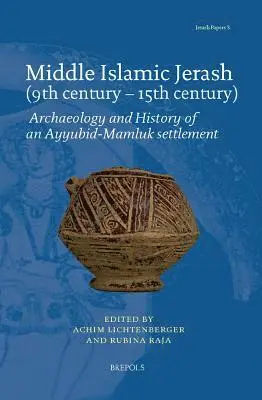
Middle Islamic Jerash (9th Century - 15th Century)
Archaeology and History of an Ayyubid-Mamluk Settlement
Av Achim Lichtenberger, Rubina Raja
Inbunden, 2018
619 kr
Tillfälligt slut
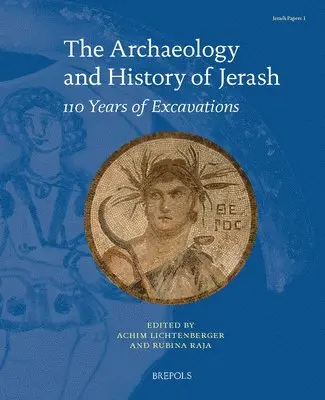
Archaeology and History of Jerash
110 Years of Excavations
Av Achim Lichtenberger, Rubina Raja
Häftad, 2018
1139 kr
Tillfälligt slut
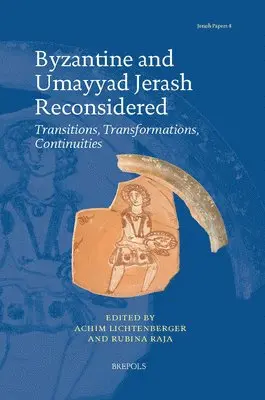
Byzantine and Umayyad Jerash Reconsidered
Transitions, Transformations, Continuities
Av Achim Lichtenberger, Rubina Raja
Inbunden, 2019
709 kr
Tillfälligt slut