Ada Yardeni – författare
Visar alla böcker från författaren Ada Yardeni. Handla med fri frakt och snabb leverans.
25 produkter
Discoveries in the Judaean Desert: Volume XI. Qumran Cave 4: VI
Poetical and Liturgical Texts, Part 1
Av Esther Eshel, Hannan Eshel m. fl.
Inbunden, 1998
6932 kr
Lägg i varukorg
This volume contains a collection of prayers, hymns, psalms, and liturgies from Cave 4 at Qumran. Among them, 4QShirot Olat HaShabbat ('Songs of the Sabbath Sacrifice') was preserved also in a copy from Cave 11. The other compositions include 4QNon-Canonical Psalms, 4QBerakhot ('Blessings'), …
Discoveries in the Judaean Desert: Volume XXVII. Aramaic, Hebrew and Greek Documentary Texts from Nahal Hever and Other Sites, with an Appendix containing Alleged Qumran Texts
(The Seiyâl Collection, II)
Av Hannah Cotton, Ada Yardeni m. fl.
Inbunden, 1997
6566 kr
Lägg i varukorg
This volume in the series contains first and second century documents in Aramaic and Greek said to come from Nahal Se'elim and now generally held to be from Nahal Hever (the provenance of the Babatha Archive and the Bar Kokhba documents). The transitional stage of the Aramaic language is documented …
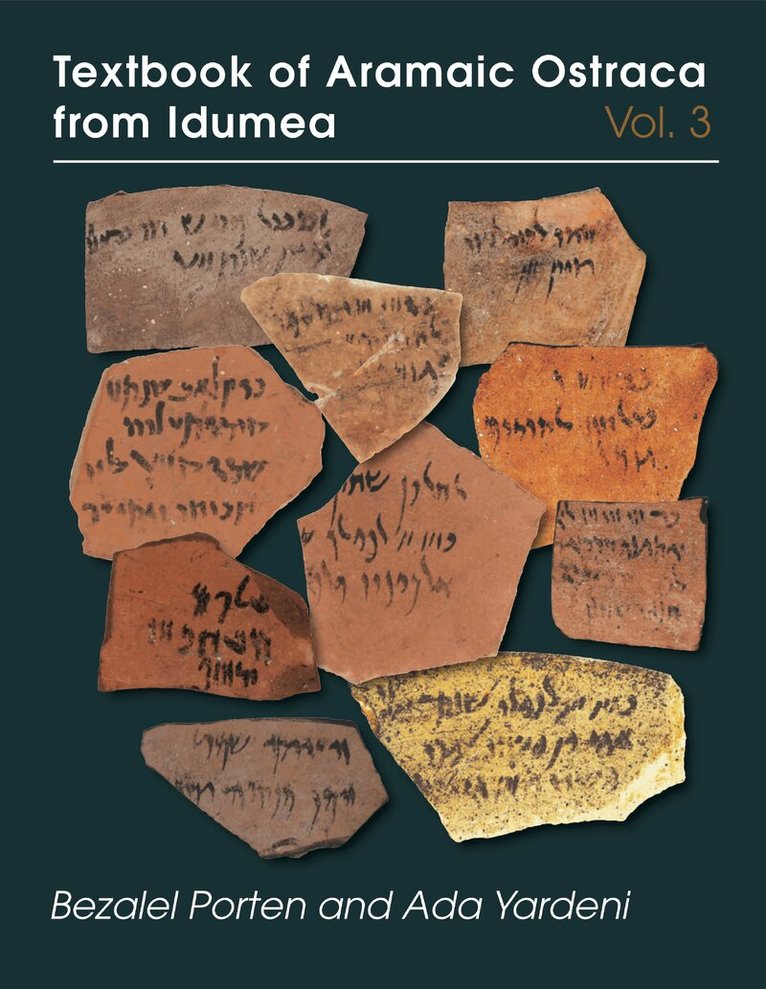
Textbook of Aramaic Ostraca from Idumea, Volume 3
Av Bezalel Porten, Ada Yardeni
Inbunden, 2018
2110 kr
Lägg i varukorg
Since the early 1990s, about two thousand Idumean Aramaic ostraca have found their way into museums, libraries, and private collections. Four major publications covering some of these texts have appeared, three of which encompass the ostraca held by individual collectors only. This multivolume work …
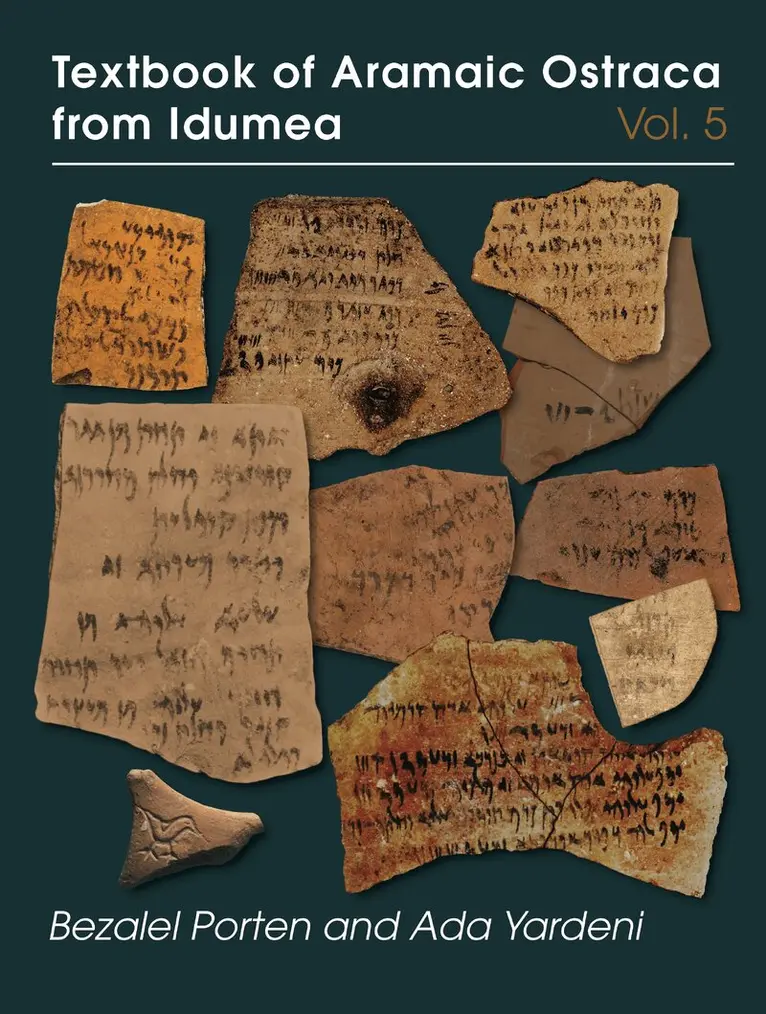
Textbook of Aramaic Ostraca from Idumea, Volume 5
Dossiers H–K: 485 Ostraca
Av Bezalel Porten, Ada Yardeni
Inbunden, 2023
1709 kr
Lägg i varukorg
Since the early 1990s, about two thousand Idumean Aramaic ostraca have found their way onto the antiquities market and are now scattered across a number of museums, libraries, and private collections. This fifth and final volume of the Textbook of Aramaic Ostraca from Idumea completes the work of …
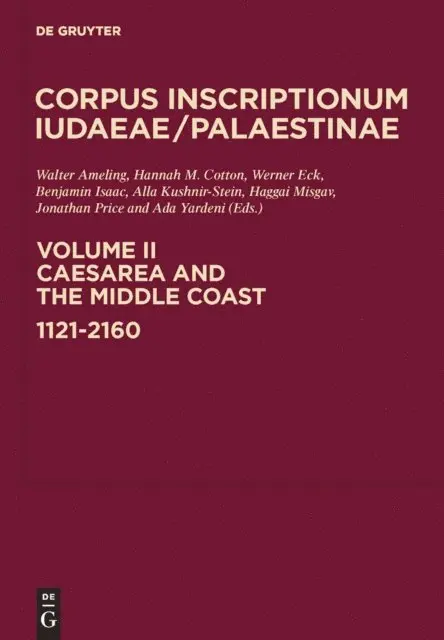
Caesarea and the Middle Coast: 1121-2160
Av Walter Ameling, Hannah M. Cotton m. fl.
Inbunden, 2011
3551 kr
Lägg i varukorg
The second volume of the Corpus Inscriptionum Iudaeae/Palaestinae covers the inscriptions of Caesarea Maritima and the coastal region of the Middle Coast from Tel Aviv in the south to Haifa in the north from the time of Alexander to the Muslim conquest. The approx. 1,050 texts comprise all the …
Caesarea and the Middle Coast: 1121-2160
Av Ada Yardeni, Jonathan Price m. fl.
E-bok, 2011
3693 kr
Lägg i varukorg
The second volume of the Corpus Inscriptionum Iudaeae/Palaestinae covers the inscriptions of Caesarea Maritima and the coastal region of the Middle Coast from Tel Aviv in the south to Haifa in the north from the time of Alexander to the Muslim conquest. The approx. 1,050 texts comprise all the …
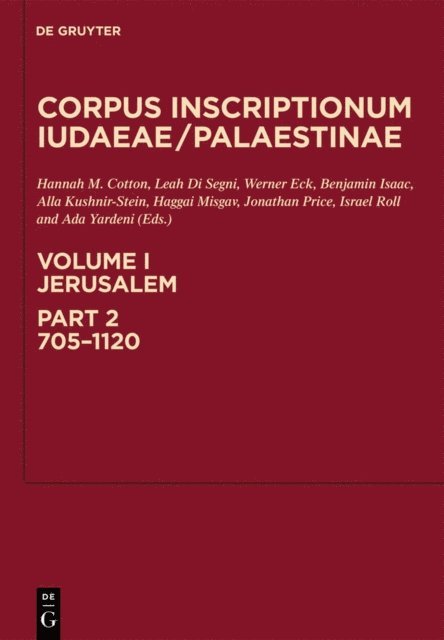
Jerusalem: 1-704
Av Hannah M. Cotton, Leah Di Segni m. fl.
Inbunden, 2010
3013 kr
Lägg i varukorg
The first volume of the Corpus Inscriptionum Iudaeae/Palaestinae covers the inscriptions of Jerusalem from the time of Alexander to the Arab conquest in all the languages used for inscriptions during those times: Hebrew, Aramaic, Greek, Latin, Syrian, and Armenian. The 1,120 texts have been …
Jerusalem: 1-704
Av Ada Yardeni, Israel Roll m. fl.
E-bok, 2010
3059 kr
Lägg i varukorg
The first volume of the Corpus Inscriptionum Iudaeae/Palaestinae covers the inscriptions of Jerusalem from the time of Alexander to the Arab conquest in all the languages used for inscriptions during those times: Hebrew, Aramaic, Greek, Latin, Syrian, and Armenian. The 1,120 texts have been …
Jerusalem: 705-1120
Av Hannah M. Cotton, Leah Di Segni m. fl.
Inbunden, 2012
2759 kr
Lägg i varukorg
The first volume of the Corpus Inscriptionum Iudaeae/Palaestinae covers the inscriptions of Jerusalem from the time of Alexander to the Arab conquest in all the languages used for inscriptions during those times: Hebrew, Aramaic, Greek, Latin, Syrian, and Armenian. The approximately 1,100 texts …
Jerusalem: 705-1120
Av Ada Yardeni, Jonathan J. Price m. fl.
E-bok, 2012
2737 kr
Lägg i varukorg
The first volume of the Corpus Inscriptionum Iudaeae/Palaestinae covers the inscriptions of Jerusalem from the time of Alexander to the Arab conquest in all the languages used for inscriptions during those times: Hebrew, Aramaic, Greek, Latin, Syrian, and Armenian. The approximately 1,100 texts …
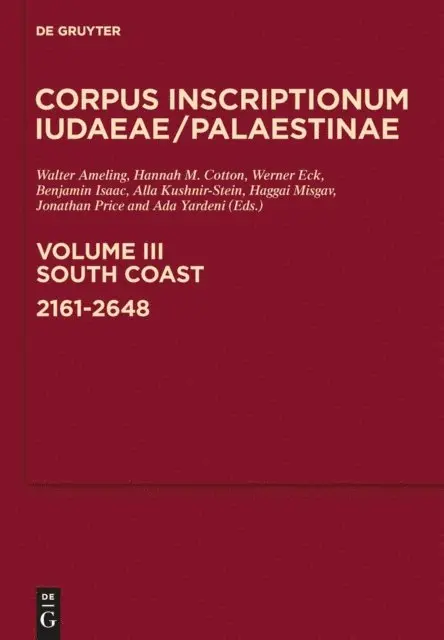
South Coast: 2161-2648
A multi-lingual corpus of the inscriptions from Alexander to Muhammad
Av Ada Yardeni, Jonathan Price m. fl.
E-bok, 2014
2592 kr
Lägg i varukorg
This third volume of the Corpus Inscriptionum Iudaeae/Palaestinae includes inscriptions from the South Coast from the time of Alexander through the end of Byzantine rule in the 7th century. It includes all the languages used in the inscriptions of this period – Greek, Latin, Hebrew, Aramaic, …
South Coast: 2161-2648
A multi-lingual corpus of the inscriptions from Alexander to Muhammad
Av Ada Yardeni, Jonathan Price m. fl.
E-bok, 2014
2592 kr
Lägg i varukorg
This third volume of the Corpus Inscriptionum Iudaeae/Palaestinae includes inscriptions from the South Coast from the time of Alexander through the end of Byzantine rule in the 7th century. It includes all the languages used in the inscriptions of this period – Greek, Latin, Hebrew, Aramaic, …
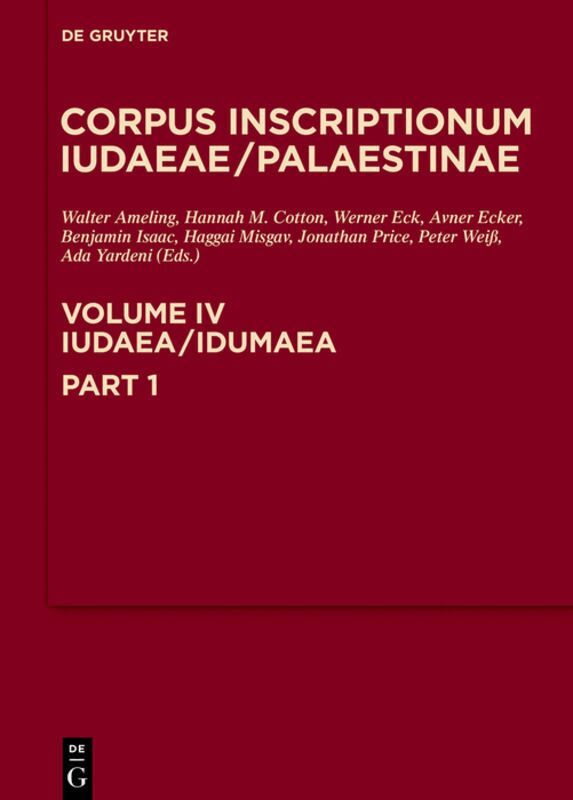
Iudaea / Idumaea: 2649-3324
Av Walter Ameling, Hannah M. Cotton m. fl.
Inbunden, 2018
4013 kr
Lägg i varukorg
Volume IV/1 of the CIIP includes all inscriptions from the regions known as Judea and Idumea in ancient times. It does not include Jerusalem, whose inscriptions were previously presented in Volume 1. The inscriptions are epigraphic texts in Greek, Latin, Hebrew, Aramaic, Georgian, and Armenian.
Iudaea / Idumaea: 2649-3324
Av Ada Yardeni, Peter Wei m. fl.
E-bok, 2018
2717 kr
Lägg i varukorg
Der vierte Band des Corpus Inscriptionum Iudaeae/Palaestinae umfasst die Inschriften der Gebiete Iudaeas und Idumaeas von der Zeit Alexanders bis zum Ende der byzantinischen Herrschaft im 7. Jahrhundert in allen Sprachen, die damals für Inschriften verwendet wurden: Griechisch, Latein, Hebräisch, …
Iudaea / Idumaea: 3325-3978
Av Ada Yardeni, Peter Wei m. fl.
E-bok, 2018
2717 kr
Lägg i varukorg
Der vierte Band des Corpus Inscriptionum Iudaeae/Palaestinae umfasst die Inschriften der Gebiete Iudaeas und Idumaeas von der Zeit Alexanders bis zum Ende der byzantinischen Herrschaft im 7. Jahrhundert in allen Sprachen, die damals für Inschriften verwendet wurden: Griechisch, Latein, Hebräisch, …
Ostraca from Iudaea/Idumaea
Av Ada Yardeni
Inbunden, 2026
2687 kr
Kommande
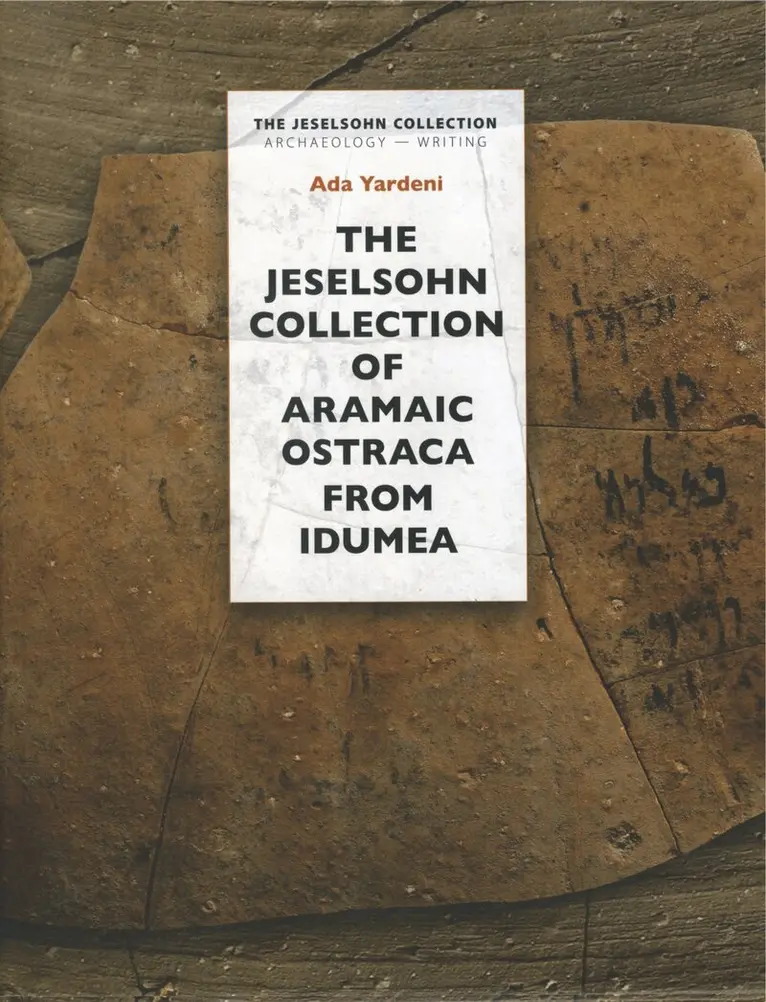
CIIP IV, 3 presents the Aramaic ostraca. The exact locations of the archives from which they originate are unknown. The collection consists of some 1,900 texts ordered by products and professions. They document the activities of several clans, the ethnic composition of the population, agricultural …
Ostraca from Iudaea/Idumaea
Av Ada Yardeni
Inbunden, 2026
2579 kr
Kommande
CIIP IV, 3 presents the Aramaic ostraca. The exact locations of the archives from which they originate are unknown. The collection consists of some 1,900 texts ordered by products and professions. They document the activities of several clans, the ethnic composition of the population, agricultural …
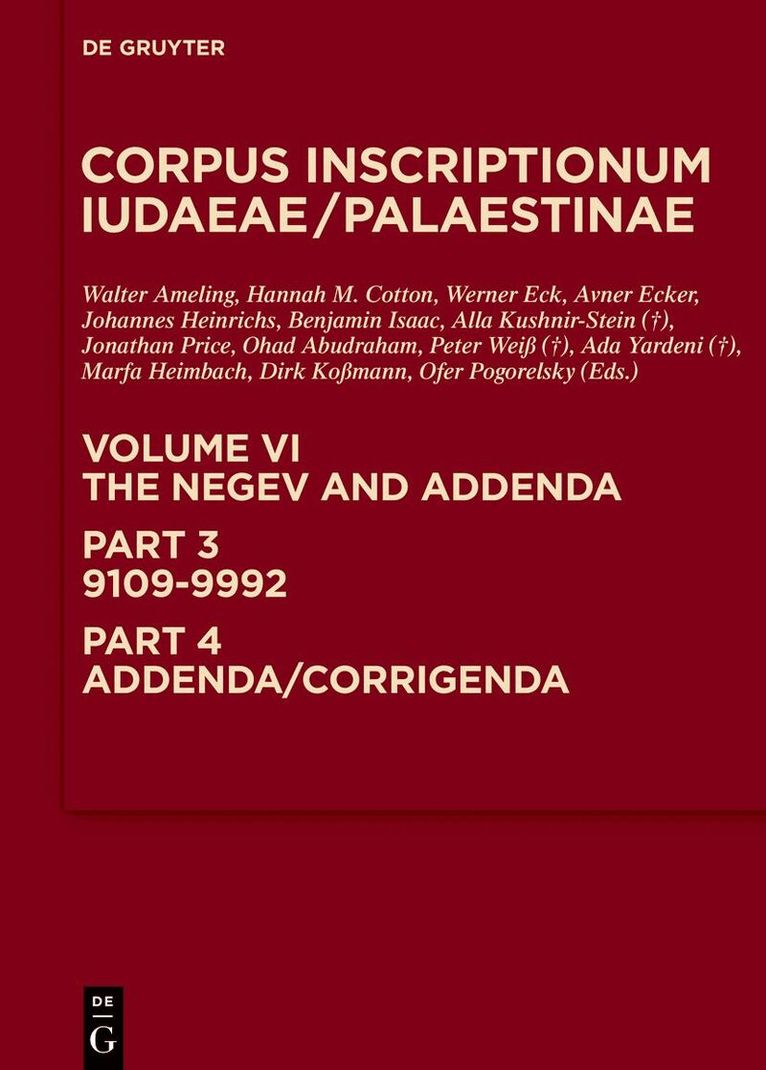
Negev and Addenda
Av Walter Ameling, Hannah M. Cotton m. fl.
Inbunden, 2026
2811 kr
Lägg i varukorg
Volume VI of the CIIP covers inscriptions from southern Israel, from the Mediterranean Sea to the Jordanian border and from Beersheba to Eilat on the Red Sea. The chronological framework ranges from the time of Alexander the Great to the end of Byzantine rule in the 7th century. Inscriptions in all …
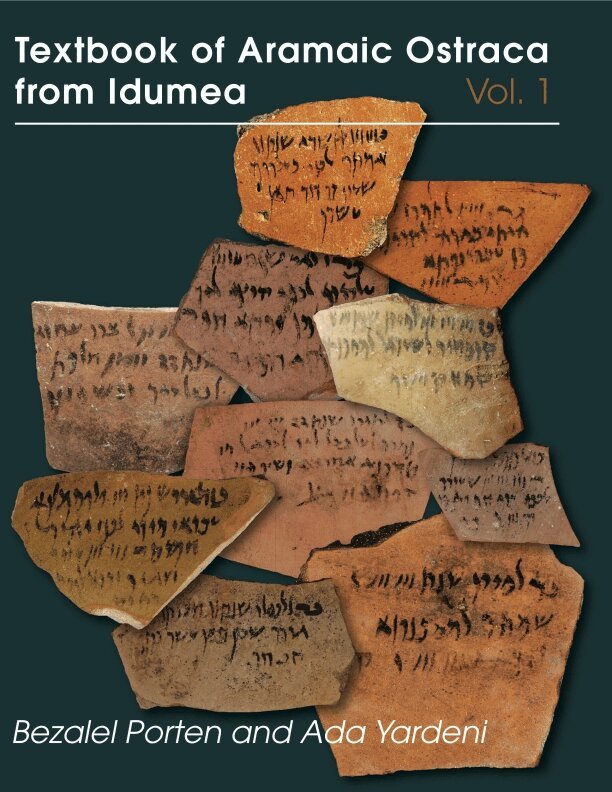
Textbook of Aramaic Ostraca from Idumea, Volume 1
401 Commodity Chits
Av Bezalel Porten, Ada Yardeni
Inbunden, 2014
1879 kr
Tillfälligt slut
Some 340 Aramaic ostraca of the Persian and Hellenistic periods have been excavated at 32 sites in Israel, from Yokneam in the north to Eilat in the south, with Arad and Beersheba being the main contributory sites. By far, however, the largest cache of texts is what has come to be known as “the …
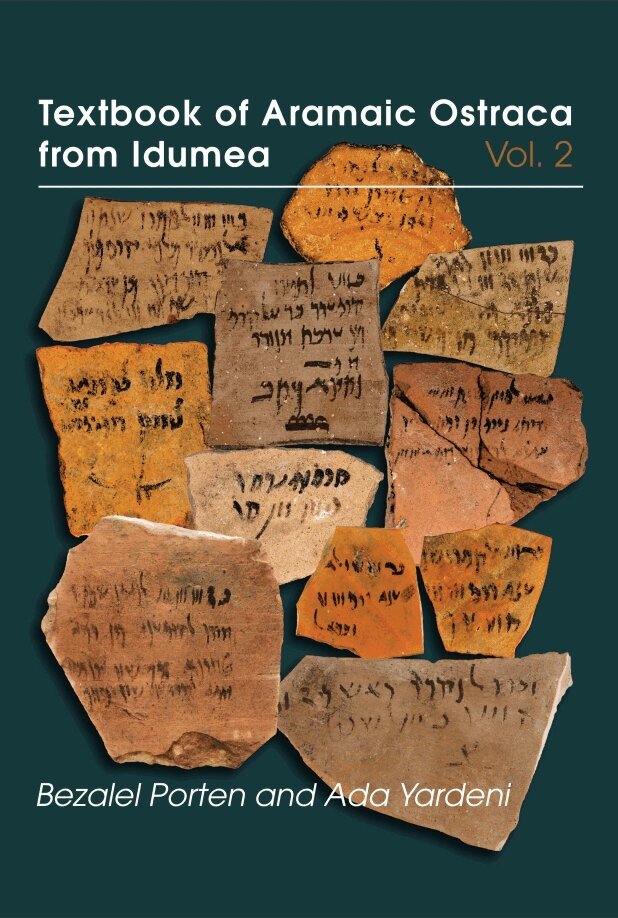
Textbook of Aramaic Ostraca from Idumea, Volume 2
Dossiers 11-50: 263 Commodity Chits
Av Bezalel Porten, Ada Yardeni
Inbunden, 2016
1509 kr
Tillfälligt slut
Since 1991, some 2,000 Aramaic ostraca deriving from the south of Israel have appeared on the antiquities market and are now scattered in 9 museums and libraries and 21 private collections. Of these, the majority are still not formally published, and in this second volume in the series, Bezalel …
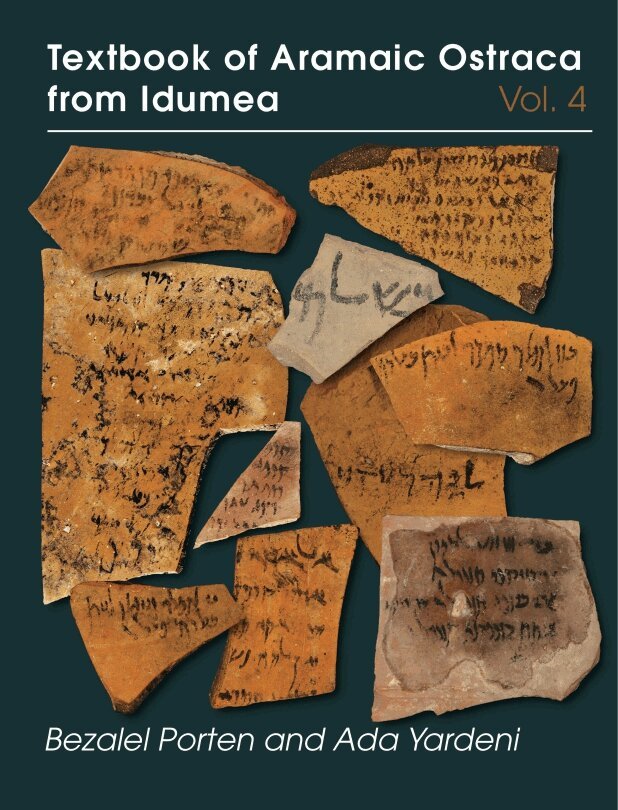
Textbook of Aramaic Ostraca from Idumea, Volume 4
Av Bezalel Porten, Ada Yardeni
Inbunden, 2020
735 kr
Tillfälligt slut
Since the early 1990s, about two thousand Idumean Aramaic ostraca have found their way onto the antiquities market and are now scattered across a number of museums, libraries, and private collections. This multivolume textbook classifies these ostraca according to subject matter and brings them …
South Coast: 2161-2648
A multi-lingual corpus of the inscriptions from Alexander to Muhammad
Av Walter Ameling, Hannah M. Cotton m. fl.
Inbunden, 2014
2953 kr
Tillfälligt slut
This third volume of the Corpus Inscriptionum Iudaeae/Palaestinae includes inscriptions from the South Coast from the time of Alexander through the end of Byzantine rule in the 7th century. It includes all the languages used in the inscriptions of this period – Greek, Latin, Hebrew, Aramaic, …
Iudaea / Idumaea: 3325-3978
Av Walter Ameling, Hannah M. Cotton m. fl.
Inbunden, 2018
3094 kr
Tillfälligt slut
Volume IV/2 of the CIIP includes all inscriptions from the regions known as Judea and Idumea in ancient times. It does not include Jerusalem, whose inscriptions were previously presented in Volume 1. The inscriptions are epigraphic texts in Greek, Latin, Hebrew, Aramaic, Georgian, and Armenian.
Negev and Addenda
Av Walter Ameling, Hannah M. Cotton m. fl.
Inbunden, 2026
2811 kr
Tillfälligt slut
Volume VI of the CIIP covers inscriptions from southern Israel, from the Mediterranean Sea to the Jordanian border and from Beersheba to Eilat on the Red Sea. The chronological framework ranges from the time of Alexander the Great to the end of Byzantine rule in the 7th century. Inscriptions in all …