Adalberto Luis Val – författare
Visar alla böcker från författaren Adalberto Luis Val. Handla med fri frakt och snabb leverans.
5 produkter
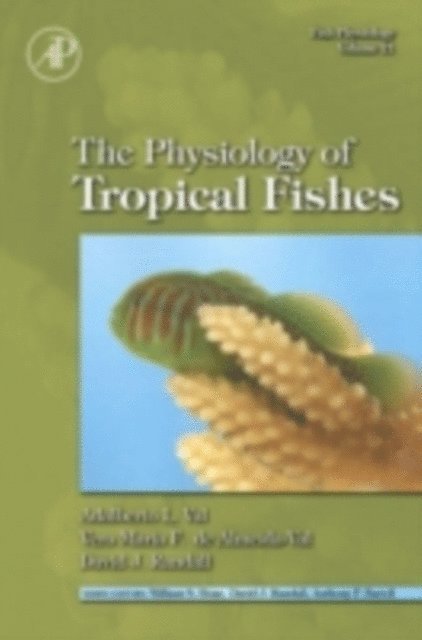
Fish Physiology: The Physiology of Tropical Fishes
Av David J. Randall, Vera Maria Fonseca de Almeida e Val m. fl.
E-bok, 2005
1353 kr
Lägg i varukorg
The Physiology of Tropical Fishes is the 21st volume of the well-known Fish Physiology series and consists of 12 chapters. The purpose of the book is to consolidate and integrate what is known about tropical fishes (marine and freshwater species). The twelve chapters focus on the physiological …
Fish Physiology: The Physiology of Tropical Fishes
Av Adalberto Luis Val, Vera Maria Fonseca de Almeida e Val m. fl.
Inbunden, 2005
1290 kr
Lägg i varukorg
The Physiology of Tropical Fishes is the 21st volume of the well-known Fish Physiology series and consists of 12 chapters. The purpose of the book is to consolidate and integrate what is known about tropical fishes (marine and freshwater species). The twelve chapters focus on the physiological …
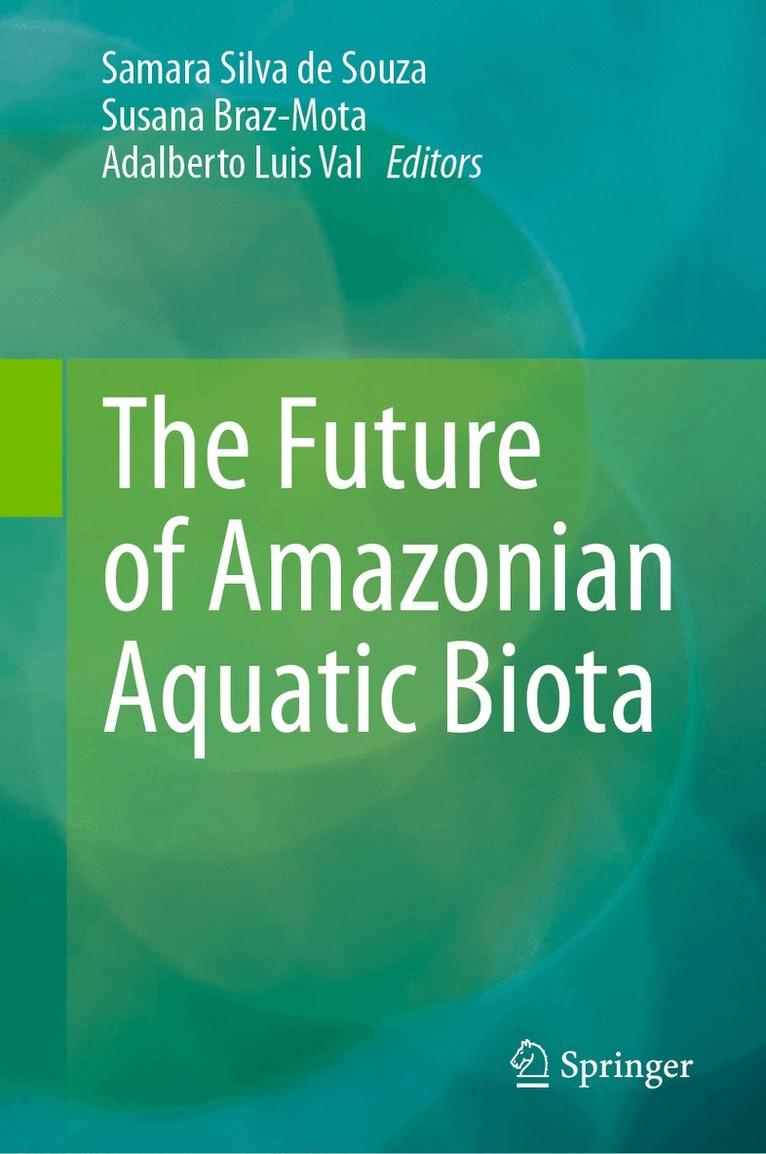
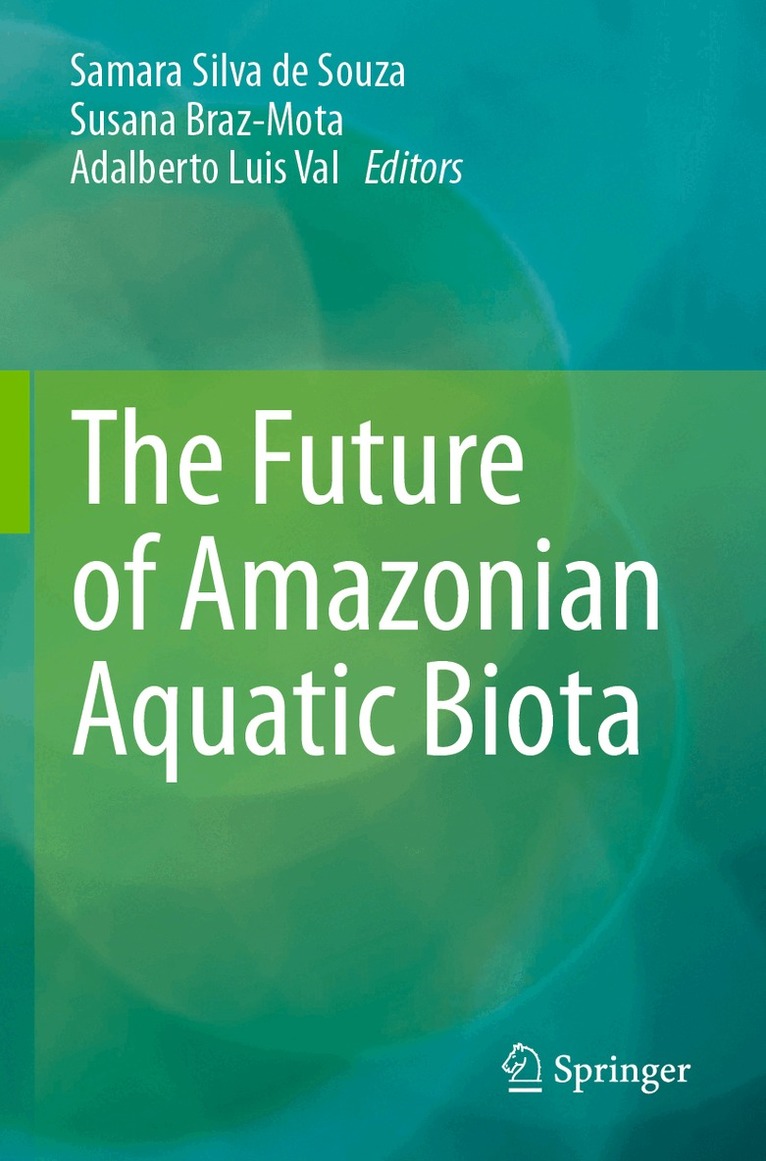
Future of Amazonian Aquatic Biota
Av Samara Silva de Souza, Susana Braz-Mota m. fl.
Inbunden, 2024
2516 kr
Lägg i varukorg
The aquatic habitats of the Amazon region are subject to natural daily and seasonal variations in the physico-chemical properties of the water. The organisms that inhabit these habitats have developed adaptations to cope with these natural events. However, human-induced environmental changes are …
Future of Amazonian Aquatic Biota
Av Adalberto Luis Val, Susana Braz-Mota m. fl.
E-bok, 2024
3276 kr
Lägg i varukorg
The aquatic habitats of the Amazon region are subject to natural daily and seasonal variations in the physico-chemical properties of the water. The organisms that inhabit these habitats have developed adaptations to cope with these natural events. However, human-induced environmental changes are …
Future of Amazonian Aquatic Biota
Av Samara Silva de Souza, Susana Braz-Mota m. fl.
Häftad, 2025
2591 kr
Lägg i varukorg
The aquatic habitats of the Amazon region are subject to natural daily and seasonal variations in the physico-chemical properties of the water. The organisms that inhabit these habitats have developed adaptations to cope with these natural events. However, human-induced environmental changes are …