Adam Komisarof – författare
1 237 kr
Läs direkt efter köp
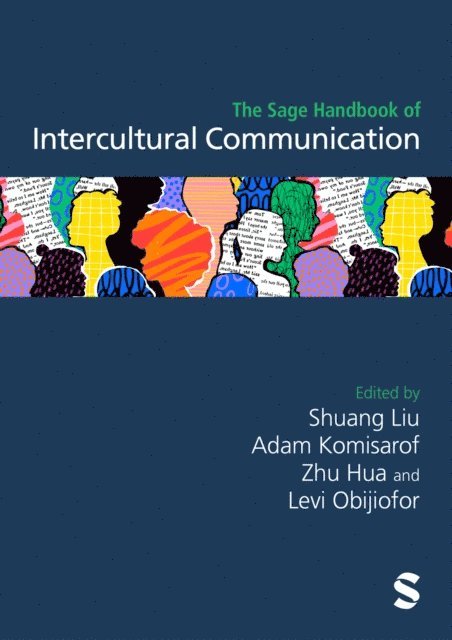
The SAGE Handbook of Intercultural Communication offers a global, interdisciplinary, and contextual approach to understanding the complexities of intercultural communication in our diverse and interconnected world. The handbook brings together established theories, methodologies, and practices and provides a comprehensive exploration of intercultural communication in response to the challenges and opportunities presented by our global society.
Featuring contributions from leading and emerging scholars across multiple disciplines, including communication studies, psychology, applied linguistics, sociology, education, and business, this handbook covers research spanning geographical locations across Europe, Africa, Oceania, North America, South America, and the Asia Pacific. It focuses on specific contexts such as the workplace, education, family, media, crisis, and intergroup interactions. Each chapter takes a contextual approach to examine theories and applications, providing insights into the dynamic interplay between culture, communication, and society.
From managing cultural diversity in the workplace to creating culturally inclusive learning environments in educational settings, from navigating intercultural relationships within families to understanding the role of media in shaping cultural perceptions, this handbook delves into diverse topics with depth and breadth. It addresses contemporary issues such as hate speech, environmental communication, and communication strategies in times of crisis. It also offers theoretical insights and practical recommendations for researchers, practitioners, policymakers, educators, and students.
The handbook is structured into seven parts, beginning with the theoretical and methodological development of the field before delving into specific contexts of intercultural communication. Each part provides a rich exploration of key themes, supported by cutting-edge research and innovative approaches. With its state-of-the-art content and forward-looking perspectives, this SAGE Handbook of Intercultural Communication serves as an indispensable resource for understanding and navigating the complexities of intercultural communication in our increasingly interconnected world.
Part 1: Theoretical and methodological development of the fieldPart 2: Intercultural communication in workplace contextsPart 3: Intercultural communication in educational contextsPart 4: Intercultural communication in family contextsPart 5: Intercultural Communication in media contextsPart 6: Intercultural communication in crisis contextsPart 7: Intercultural communication in intergroup contexts
1 459 kr
Skickas
The SAGE Handbook of Intercultural Communication offers a global, interdisciplinary, and contextual approach to understanding the complexities of intercultural communication in our diverse and interconnected world. The handbook brings together established theories, methodologies, and practices and provides a comprehensive exploration of intercultural communication in response to the challenges and opportunities presented by our global society.
Featuring contributions from leading and emerging scholars across multiple disciplines, including communication studies, psychology, applied linguistics, sociology, education, and business, this handbook covers research spanning geographical locations across Europe, Africa, Oceania, North America, South America, and the Asia Pacific. It focuses on specific contexts such as the workplace, education, family, media, crisis, and intergroup interactions. Each chapter takes a contextual approach to examine theories and applications, providing insights into the dynamic interplay between culture, communication, and society.
From managing cultural diversity in the workplace to creating culturally inclusive learning environments in educational settings, from navigating intercultural relationships within families to understanding the role of media in shaping cultural perceptions, this handbook delves into diverse topics with depth and breadth. It addresses contemporary issues such as hate speech, environmental communication, and communication strategies in times of crisis. It also offers theoretical insights and practical recommendations for researchers, practitioners, policymakers, educators, and students.
The handbook is structured into seven parts, beginning with the theoretical and methodological development of the field before delving into specific contexts of intercultural communication. Each part provides a rich exploration of key themes, supported by cutting-edge research and innovative approaches. With its state-of-the-art content and forward-looking perspectives, this SAGE Handbook of Intercultural Communication serves as an indispensable resource for understanding and navigating the complexities of intercultural communication in our increasingly interconnected world.
Part 1: Theoretical and methodological development of the fieldPart 2: Intercultural communication in workplace contextsPart 3: Intercultural communication in educational contextsPart 4: Intercultural communication in family contextsPart 5: Intercultural Communication in media contextsPart 6: Intercultural communication in crisis contextsPart 7: Intercultural communication in intergroup contexts
688 kr
Skickas inom 10-15 vardagar
2 253 kr
Skickas inom 10-15 vardagar
788 kr
Läs direkt efter köp
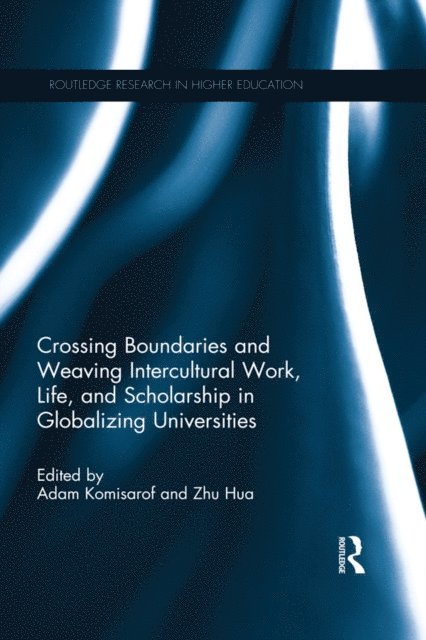
This book generates a fresh, complex view of the process of globalization by examining how work, scholarship, and life inform each other among intercultural scholars as they navigate their interpersonal relationships and cross boundaries physically and metaphorically. Divided into three parts, the book examines: (1) the socio-psychological process of crossing boundaries constructed around nations and work organizations; (2) the negotiation of multiple aspects of identities; and (3) the role of language in intercultural encounters, in particular, adjustment taking place at linguistic and interactional levels. The authors reflect upon and give meaning and structure to their own intercultural experiences through theoretical frameworks and concepts—many of which they themselves have proposed and developed in their own research. They also provide invaluable advice for transnational scholars and those who aspire to work and live abroad to improve organizational participation and mutual intercultural engagement when working in a globalizing workplace. Researchers and practitioners of applied linguistics, communication studies, and higher education in many regions of the world will find this book an insightful resource.
788 kr
Läs direkt efter köp
This book generates a fresh, complex view of the process of globalization by examining how work, scholarship, and life inform each other among intercultural scholars as they navigate their interpersonal relationships and cross boundaries physically and metaphorically. Divided into three parts, the book examines: (1) the socio-psychological process of crossing boundaries constructed around nations and work organizations; (2) the negotiation of multiple aspects of identities; and (3) the role of language in intercultural encounters, in particular, adjustment taking place at linguistic and interactional levels. The authors reflect upon and give meaning and structure to their own intercultural experiences through theoretical frameworks and concepts—many of which they themselves have proposed and developed in their own research. They also provide invaluable advice for transnational scholars and those who aspire to work and live abroad to improve organizational participation and mutual intercultural engagement when working in a globalizing workplace. Researchers and practitioners of applied linguistics, communication studies, and higher education in many regions of the world will find this book an insightful resource.
1 682 kr
Skickas inom 5-8 vardagar
The SAGE Handbook of Intercultural Communication offers a global, interdisciplinary, and contextual approach to understanding the complexities of intercultural communication in our diverse and interconnected world. The handbook brings together established theories, methodologies, and practices and provides a comprehensive exploration of intercultural communication in response to the challenges and opportunities presented by our global society.
Featuring contributions from leading and emerging scholars across multiple disciplines, including communication studies, psychology, applied linguistics, sociology, education, and business, this handbook covers research spanning geographical locations across Europe, Africa, Oceania, North America, South America, and the Asia Pacific. It focuses on specific contexts such as the workplace, education, family, media, crisis, and intergroup interactions. Each chapter takes a contextual approach to examine theories and applications, providing insights into the dynamic interplay between culture, communication, and society.
From managing cultural diversity in the workplace to creating culturally inclusive learning environments in educational settings, from navigating intercultural relationships within families to understanding the role of media in shaping cultural perceptions, this handbook delves into diverse topics with depth and breadth. It addresses contemporary issues such as hate speech, environmental communication, and communication strategies in times of crisis. It also offers theoretical insights and practical recommendations for researchers, practitioners, policymakers, educators, and students.
The handbook is structured into seven parts, beginning with the theoretical and methodological development of the field before delving into specific contexts of intercultural communication. Each part provides a rich exploration of key themes, supported by cutting-edge research and innovative approaches. With its state-of-the-art content and forward-looking perspectives, this SAGE Handbook of Intercultural Communication serves as an indispensable resource for understanding and navigating the complexities of intercultural communication in our increasingly interconnected world.
Part 1: Theoretical and methodological development of the fieldPart 2: Intercultural communication in workplace contextsPart 3: Intercultural communication in educational contextsPart 4: Intercultural communication in family contextsPart 5: Intercultural Communication in media contextsPart 6: Intercultural communication in crisis contextsPart 7: Intercultural communication in intergroup contexts