Adesola Joan Akala - Böcker
Visar alla böcker från författaren Adesola Joan Akala. Handla med fri frakt och snabb leverans.
3 produkter
3 produkter
2 183 kr
Skickas inom 5-8 vardagar
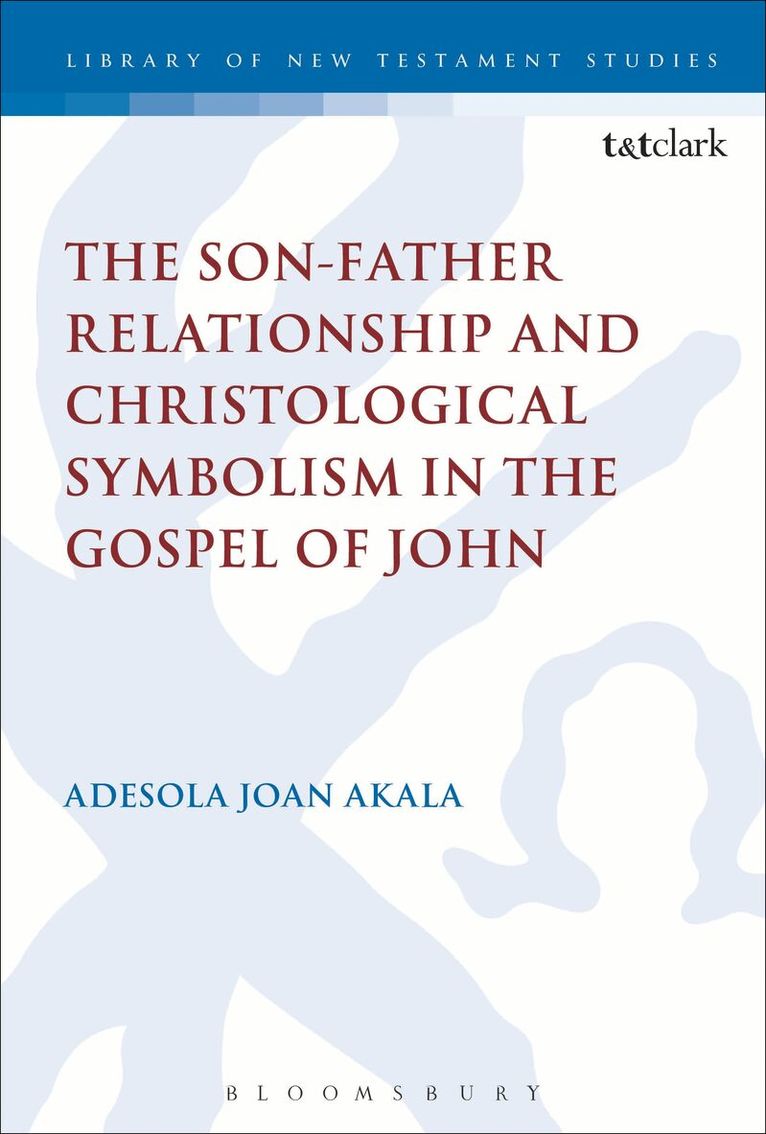
This volume examines Johannine symbolism within the lens of Jesus’ relationship with the Father. After demonstrating that the Gospel narrative symbolically portrays Jesus as the Son of God who is relationally inseparable from his Father, the study shows how the Son-Father Relationship (SFR) is at the center of the network of Christological symbols in the Gospel of John. Using an innovative narrative framework, this book unveils the creative and symbolic introduction of the SFR in the Prologue (Jn. 1. 1-18), its development through the words and actions of Jesus’ teaching ministry within the Johannine narrative, and its culmination in the Prayer (Jn. 17); the SFR motif then concludes in the remainder of the Gospel. This narrative framework reveals how the SFR shapes the literary style and theological strategy of the Gospel, and acts as an integrative force by giving structure and cohesion to the Gospel’s symbolic system. Two key features presented in this book are a theory of symbolism and a network of symbols. The specially formulated ‘Theory of Johannine Symbolism’ explains the theoretical and theological underpinnings of the Gospel’s symbolic network, called ‘John’s Christological Symbology’. Through the symbolic network, the author of the Gospel fulfills the theological purpose stated in Jn. 20:31—that hearer-readers believe in Jesus the Christ, as the Son of God, and thereby experience eternal life.
619 kr
Skickas inom 5-8 vardagar
This volume examines Johannine symbolism within the lens of Jesus’ relationship with the Father. After demonstrating that the Gospel narrative symbolically portrays Jesus as the Son of God who is relationally inseparable from his Father, the study shows how the Son-Father Relationship (SFR) is at the center of the network of Christological symbols in the Gospel of John. Using an innovative narrative framework, this book unveils the creative and symbolic introduction of the SFR in the Prologue (Jn. 1. 1-18), its development through the words and actions of Jesus’ teaching ministry within the Johannine narrative, and its culmination in the Prayer (Jn. 17); the SFR motif then concludes in the remainder of the Gospel. This narrative framework reveals how the SFR shapes the literary style and theological strategy of the Gospel, and acts as an integrative force by giving structure and cohesion to the Gospel’s symbolic system. Two key features presented in this book are a theory of symbolism and a network of symbols. The specially formulated ‘Theory of Johannine Symbolism’ explains the theoretical and theological underpinnings of the Gospel’s symbolic network, called ‘John’s Christological Symbology’. Through the symbolic network, the author of the Gospel fulfills the theological purpose stated in Jn. 20:31—that hearer-readers believe in Jesus the Christ, as the Son of God, and thereby experience eternal life.
1 142 kr
Skickas inom 10-15 vardagar
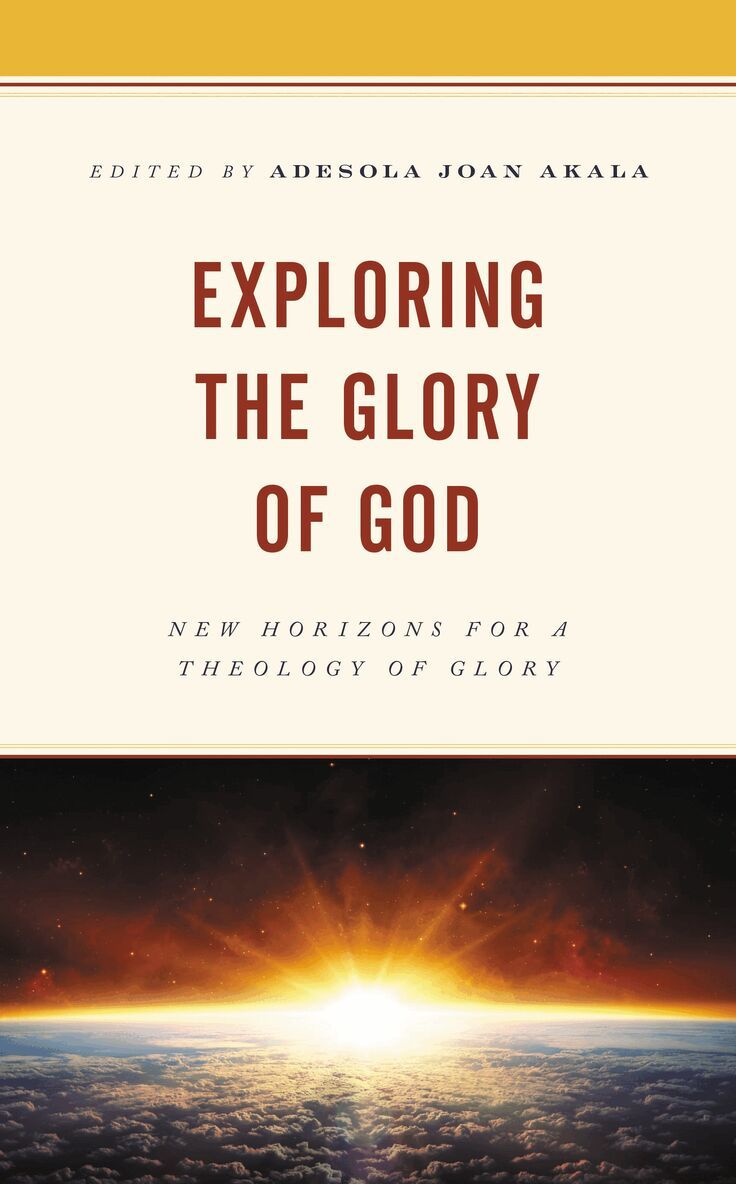
With the aim of envisioning new horizons for a theology of glory, Exploring the Glory of God: New Horizons for a Theology of Glory offers fresh biblical, theological, and scientific perspectives on the subject of divine self-revelation and human responses to the manifestations of divine presence. The first three chapters explore the glorious encounter between Moses and God, and the Christological dimensions of glory in Johannine and Pauline writings. These chapters demonstrate how the biblical text inherently weaves aspects of covenant relationship, revelation, Christology, ecclesiology, and eschatology into a remarkable tapestry of divine glory. Five theological chapters cover the role of the Holy Spirit and the worshipful response of believers to the glory of God, as well as expositions on the glory-themed writings of Jonathan Edwards, Karl Barth, Oscar Romero, and Etty Hillesum. These theological writers provoke challenging questions by emphasizing how the theme of glory paradoxically encompasses both otherworldly perfection and worldly imperfections. The two concluding chapters focus on the natural and physical sciences, revealing how God’s glory is displayed in the heavens and on earth. The entire volume demonstrates the significance of divine glory in the study of the words and works of the triune God.