Adnan Qayyum – författare
Visar alla böcker från författaren Adnan Qayyum. Handla med fri frakt och snabb leverans.
6 produkter
6 produkter
Häftad, Engelska, 2020
525 kr
Skickas inom 5-8 vardagar
Inbunden, Engelska, 2020
592 kr
Skickas inom 5-8 vardagar
Häftad, Engelska, 2020
525 kr
Skickas inom 5-8 vardagar
Inbunden, Engelska, 2020
572 kr
Skickas inom 5-8 vardagar
Häftad, Engelska, 2018
215 kr
Skickas inom 10-15 vardagar
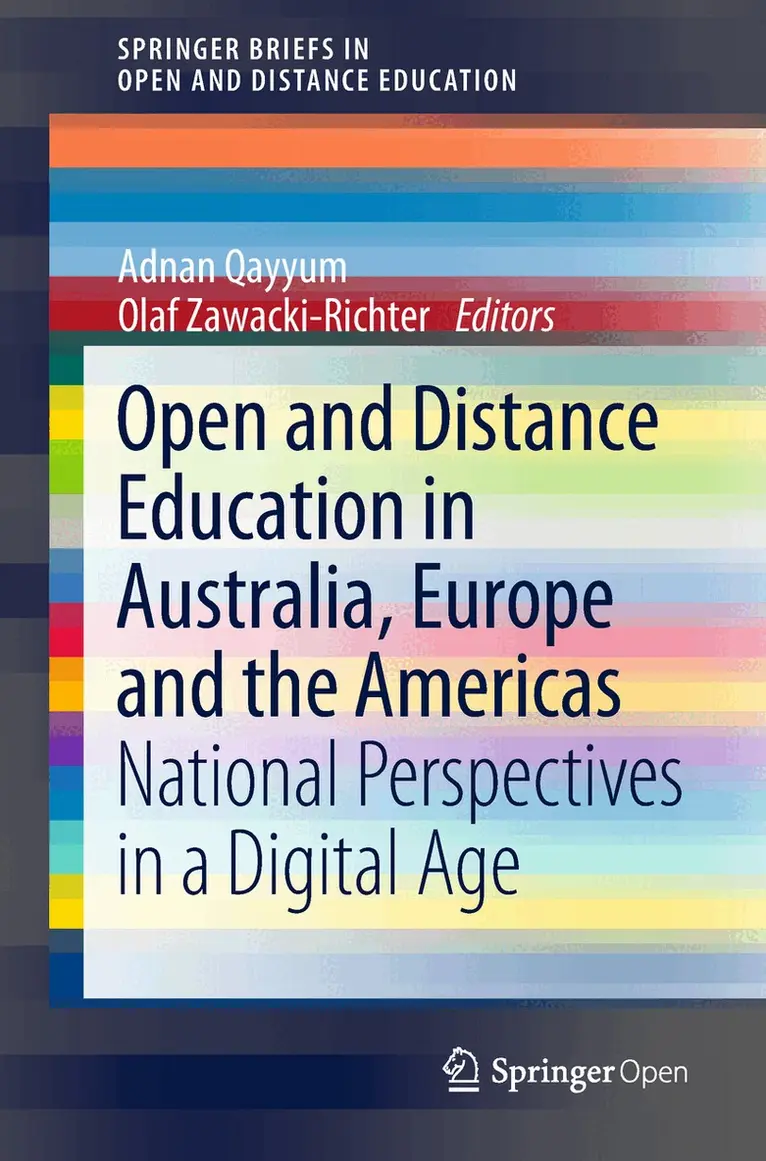
This book is open access under a CC BY 4.0 license.This book describes the history, structure and institutions of open and distance education in six countries: Australia, Brazil, Canada, Germany, the UK and the US. It discusses how open and distance education is evolving in a digital age to reflect the needs and circumstances of national higher education systems in these countries, and explores the similarities and differences between the ways in which they are organized and structured. It is the first book to make such comparisons and draw conclusions about the nature of open and distance education in the context of various national higher education systems. In a digital era with growing use of online education as well as open and distance education, this book is particularly useful for policy-makers and senior administrators who want to learn about organizing and expanding open and distance education provision. It is also a valuable referencefor researchers, academics and students interested in understanding the different approaches to open and distance education.
Häftad, Engelska, 2019
215 kr
Skickas inom 10-15 vardagar
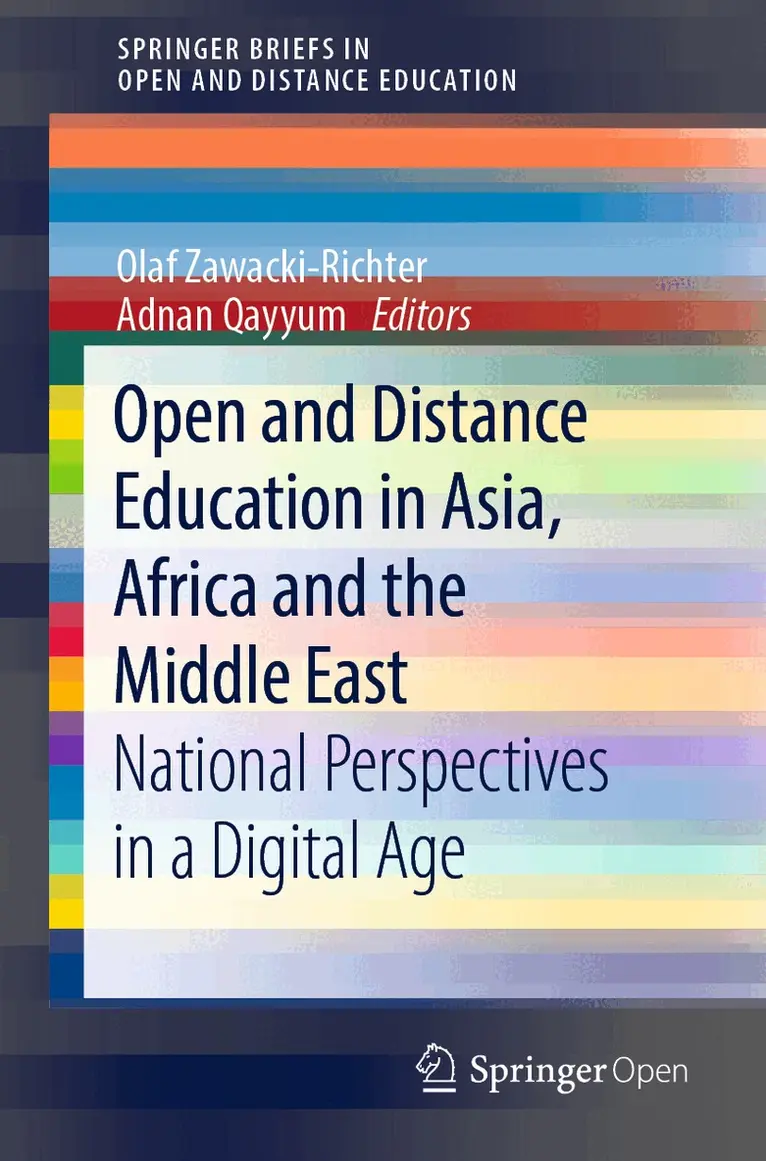
This book is open access under a CC BY 4.0 license.This book describes the history, structure and institutions of open and distance education in six countries: China, India, Russia, Turkey, South Africa and South Korea. It describes how open and distance education is evolving in a digital age to reflect the needs and circumstances of the national higher education systems in these countries. It also explores the similarities and differences between how their open and distance higher education systems are managed and structured. This book is the second in a series, following Open and Distance Education in Australia, Europe and the Americas (Springer 2018). Both books compare and draw conclusions about the nature of open and distance education in the context of various national higher education systems. In a digital era characterized by the growing use of online, open and distance education, this book will prove particularly valuable for policy-makers and senior administrators who want to learn about establishing or expanding open and distance education services. In addition, it offers a valuable reference guide for researchers, academics and students interested in understanding the different approaches to open and distance education.