Adriano José Habed – författare
Visar alla böcker från författaren Adriano José Habed. Handla med fri frakt och snabb leverans.
4 produkter
4 produkter
Inbunden, Engelska, 2018
1 714 kr
Skickas inom 10-15 vardagar
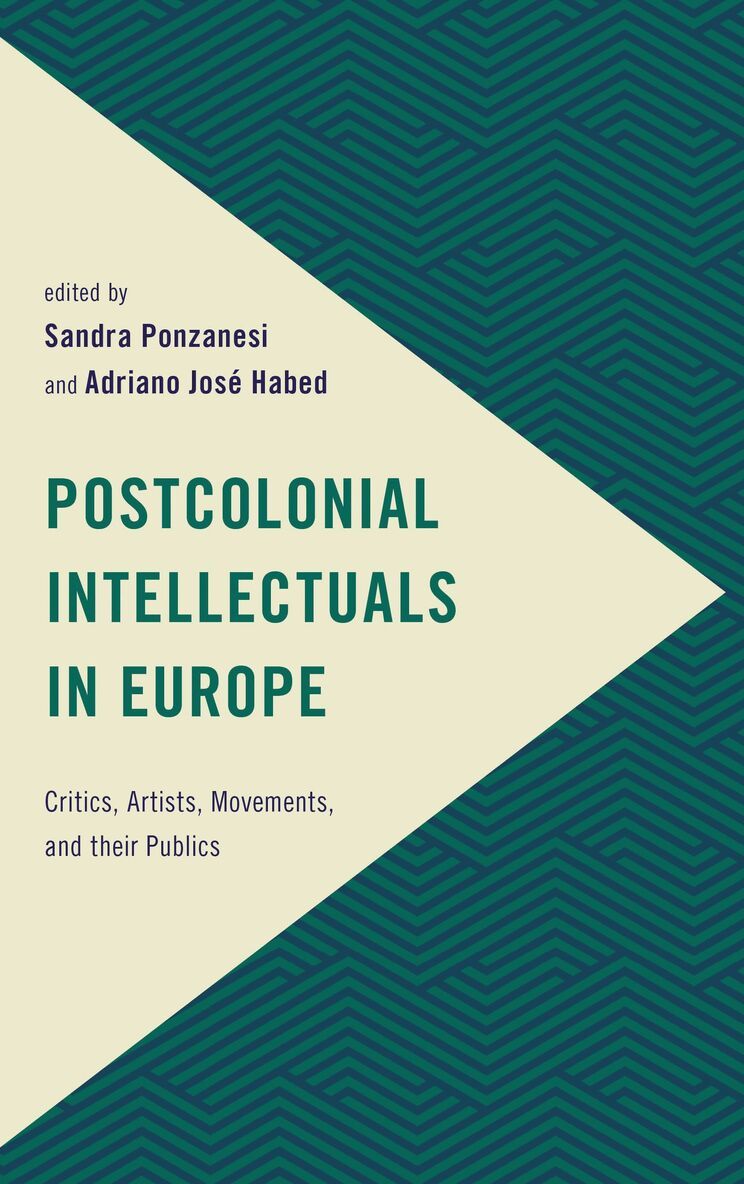
Postcolonial intellectuals have engaged with and deeply impacted upon European society since the figure of the intellectual emerged at the beginning of the nineteenth century. Yet a critical assessment and overview of their influential roles is long overdue, particularly in the light of contemporary debates in Europe and beyond.This book offers an innovative take on the role of intellectuals in Europe through a postcolonial lens and, in doing so, questions the very definition of "public intellectual," on the one hand, and the meaning of such a thing as "Europe," on the other. It does so not only by offering portraits of charismatic figures such as Stuart Hall, Jacques Derrida, Antonio Gramsci, Frantz Fanon, and Hannah Arendt, among others, but also by exploring their lasting legacies and the many dialogues they have generated. The notion of the ‘classic’ intellectual is further challenged by bringing to the fore artists, writers, and activists, as well as social movements, networks, and new forms of mobilization and collective engagement that are part of the intellectual scene.
Häftad, Engelska, 2020
548 kr
Skickas inom 10-15 vardagar
Postcolonial intellectuals have engaged with and deeply impacted upon European society since the figure of the intellectual emerged at the beginning of the nineteenth century. Yet a critical assessment and overview of their influential roles is long overdue, particularly in the light of contemporary debates in Europe and beyond.This book offers an innovative take on the role of intellectuals in Europe through a postcolonial lens and, in doing so, questions the very definition of "public intellectual," on the one hand, and the meaning of such a thing as "Europe," on the other. It does so not only by offering portraits of charismatic figures such as Stuart Hall, Jacques Derrida, Antonio Gramsci, Frantz Fanon, and Hannah Arendt, among others, but also by exploring their lasting legacies and the many dialogues they have generated. The notion of the ‘classic’ intellectual is further challenged by bringing to the fore artists, writers, and activists, as well as social movements, networks, and new forms of mobilization and collective engagement that are part of the intellectual scene.
E-bok
Engelska, 2018572 kr
Läs direkt efter köp
Postcolonial intellectuals have engaged with and deeply impacted upon European society since the figure of the intellectual emerged at the beginning of the nineteenth century. Yet a critical assessment and overview of their influential roles is long overdue, particularly in the light of contemporary debates in Europe and beyond.This book offers an innovative take on the role of intellectuals in Europe through a postcolonial lens and, in doing so, questions the very definition of "public intellectual," on the one hand, and the meaning of such a thing as "Europe," on the other. It does so not only by offering portraits of charismatic figures such as Stuart Hall, Jacques Derrida, Antonio Gramsci, Frantz Fanon, and Hannah Arendt, among others, but also by exploring their lasting legacies and the many dialogues they have generated. The notion of the ‘classic’ intellectual is further challenged by bringing to the fore artists, writers, and activists, as well as social movements, networks, and new forms of mobilization and collective engagement that are part of the intellectual scene.
Inbunden, Engelska, 2023
576 kr
Skickas inom 3-6 vardagar
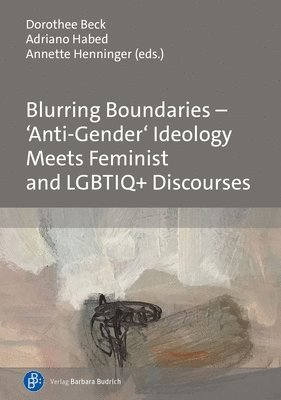
In politischen Auseinandersetzungen wird “Gender” als Sammelbegriff für Themen wie Frauen- und LGBTIQ + -Rechte, Gleichstellung der Geschlechter, sexuelle Bildung, feministisches Wissen und Geschlechterforschung verwendet. Während sich bisherige Veröffentlichungen auf die anti-gender Gruppen selbst oder feministische und queere Reaktionen auf diese konzentrieren, beleuchtet dieser Band die verschwimmenden Grenzen zwischen beiden Lagern. Im Fokus steht die Frage, inwieweit “Anti-Gender”-Behauptungen mit bestimmten Spielarten in der feministischen und LGBTIQ+-Politik interagieren und so Diskursbrücken zu liberalen und progressiven Teilen der Gesellschaft bauen. Anders als der „Sammelbegriff“ Gender vermuten lässt, ist das feministische und LGBTIQ+-Lager von politischen Konflikten, Meinungsverschiedenheiten und divergierenden Interessen durchzogen. Daher analysieren die Autor*innen die Verbindungen zwischen einigen dieser umstrittenen Positionen und dem “Anti-Gender”-Diskurs.